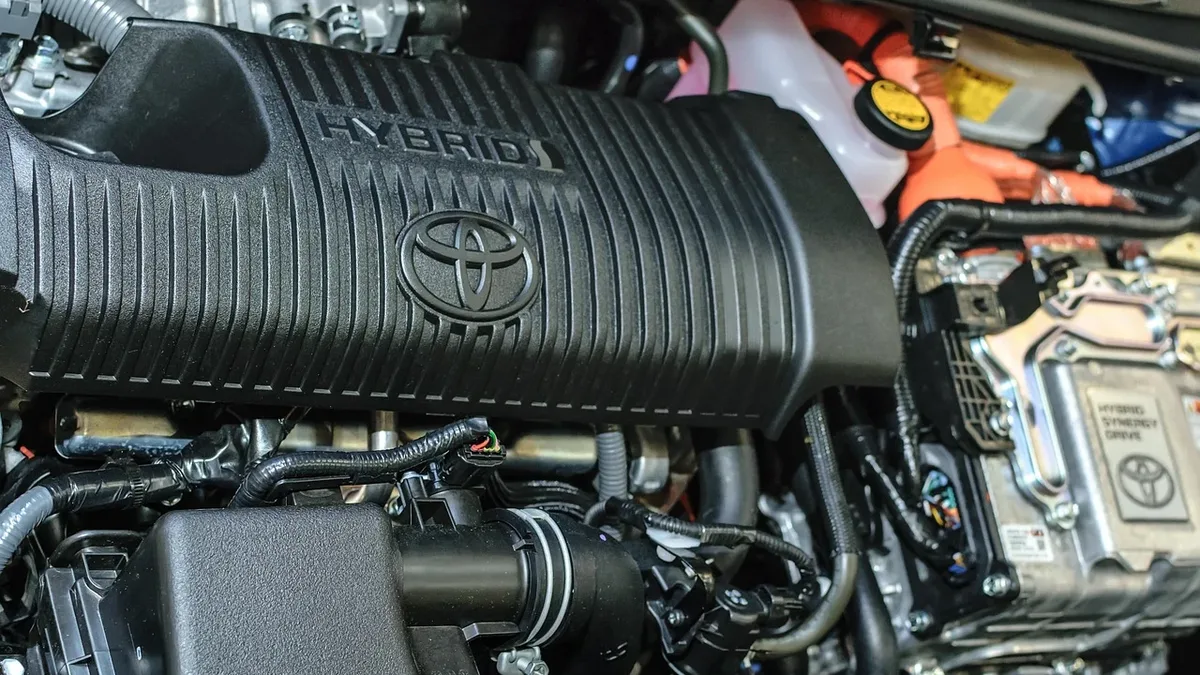
Toyota to build hydrogen Hilux in Thailand from 2027
Toyota will invest Bt1.49bn to convert a Thai Hilux production line for hydrogen fuel cell pickup manufacturing, starting in December 2027. Initial annual output of 3,000 vehicles is destined for export to Europe, Australia, and New Zealand.
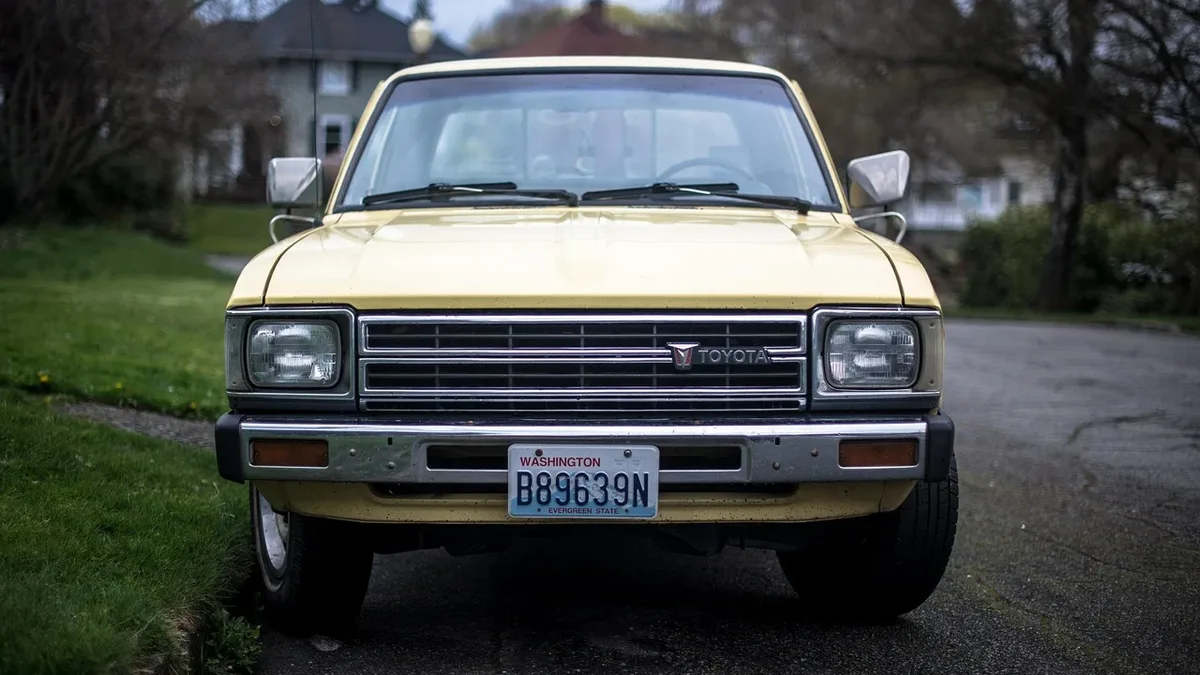
Toyota will begin manufacturing a hydrogen fuel cell Hilux pickup in Thailand in December 2027. The Board of Investment has approved a Bt1.49 billion project to convert a Hilux line into a hydrogen fuel-cell electric vehicle factory.
The investment will establish a dedicated production line at Toyota's Ban Pho plant in Chachoengsao province. The project will convert the existing Hilux production line and add facilities for hydrogen tanks, fuel cells, battery packs, electric motors, and energy control units. Hydrogen refuelling stations will be installed at the factory to support production and testing. This move aligns with Thailand's push for carbon-neutrality and expands FCEV options for European and Oceania markets.
Production capacity and export plan
The new line will build 3,000 FCEV Hilux units a year. Initial batches of the hydrogen-powered pickup will be shipped to Europe, Australia, and New Zealand. Toyota confirmed in 2025 that the new-generation Hilux will include an FCEV variant, to be introduced in Europe and Oceania from 2028.
Timeline and technology transfer
Production is slated to start in December 2027. Toyota plans to transfer technology and share knowledge with domestic parts suppliers on production, quality control, safety, environmental management, and human-resources management. BOI secretary-general Narut Teodsathirasak said the investment enhances hydrogen technology capabilities and creates opportunities for human resource development, technology transfer, and development of Thai parts manufacturers. Toyota has placed confidence in Thailand for over 60 years of investment.
Local supply chain and economic impact
The project will source about Bt640 million of domestic parts annually, boosting Thai manufacturers and supporting the nation's clean-vehicle goals. The locally produced materials and components will cover air-conditioning and cooling systems, seats, wheels and tyres, wiring harnesses, and interior parts. The BOI expects this to help local suppliers meet FCEV requirements and enter global automotive supply chains.
Toyota Motor Thailand was founded in 1962 and operates three plants with a combined capacity of about 770,000 vehicles per year and more than 13,000 employees. As of September 2026, the BOI had approved 203 projects in Thailand’s electric-vehicle ecosystem with combined investment exceeding THB141 billion, covering hybrids, BEVs, FCEVs, batteries and supporting infrastructure. The investment reflects Thailand’s importance in Toyota’s global manufacturing network as a major production and export base for the Hilux. The range of projects shows Thailand is building an automotive ecosystem supporting multiple powertrains rather than relying on a single type. Production is expected to begin at the Ban Pho plant in December 2027.