Japan Toyota Motomachi
| Official name | Toyota Motomachi Plant |
|---|---|
| Location | Motomachi, Toyota City, Aichi Prefecture, Japan |
| Original use | Dedicated sports car and luxury vehicle assembly |
| First operational | 1959 |
| Major models produced | Toyota Crown, Toyota Mark II, Lexus LFA, Toyota 2000GT |
| Production system | Multi-vehicle, low-volume assembly line |
| Supplier park | On-site and adjacent supplier facilities (e.g., Toyota Auto Body) |
Origin and history
The Toyota Motomachi Plant is an automotive assembly facility originating in Toyota City, Aichi Prefecture, Japan. Its construction was initiated in the late 1950s as Toyota Motor Corporation sought to expand its production capacity beyond the limitations of its original Koromo plant. The plant officially commenced operations in 1959, marking a significant phase in Japan's post-war industrial growth. This facility was Toyota's first dedicated passenger car assembly plant, established separately from its truck production lines. The site's development was integral to the company's strategy to compete in the growing domestic and international passenger vehicle markets. The Motomachi plant's history is closely tied to the evolution of the Toyota Production System, serving as a foundational site for refining its methodologies.
What it was bred for
The Motomachi Plant was specifically designed for the high-volume assembly of passenger automobiles, as opposed to commercial trucks. It was engineered to facilitate a new level of production flexibility and efficiency within Toyota's operations. The plant's initial and primary purpose was to manufacture Toyota's flagship passenger car models, which were central to the company's product strategy in the 1960s and 1970s. It was bred to be a proving ground for advanced manufacturing techniques and rigorous quality control processes. The facility was also structured to enable the efficient integration of a complex supplier network, with many component manufacturers establishing operations in close proximity. Its design supported the just-in-time production philosophy, requiring precise coordination with on-site and nearby parts suppliers.
Life cycle
The plant's life cycle began with its construction and commissioning phase in the late 1950s, leading to full-scale vehicle production in 1959. It entered a period of rapid expansion and technological iteration throughout the 1960s and 1970s, adding new assembly lines and model variants. For decades, it served as the exclusive production site for several of Toyota's most iconic models, including the Corona, Mark II, and later the Crown and Century. The facility underwent significant retooling and modernization in subsequent decades to adapt to new model introductions and evolving manufacturing technologies. In the 21st century, its role evolved from a high-volume mainstream plant to a specialized facility for lower-volume, higher-end vehicles like the Lexus LFA and Toyota Mirai. The plant continues to operate, having been repurposed for next-generation vehicle production, including fuel cell and other advanced technology models.
Character and appearance
The Motomachi Plant is characterized by its functional, industrial architecture typical of major manufacturing facilities built in its era. The site encompasses multiple interconnected buildings housing stamping, body welding, painting, and final assembly shops, laid out to optimize the linear flow of production. Its appearance is defined by large, rectangular factory buildings, extensive loading docks, and a network of internal roads for logistics. The character of the operation is one of disciplined order, with a focus on cleanliness, standardized work, and visible management systems. Unlike older, more cramped facilities, Motomachi was designed with broader aisles and more logical station layouts to improve ergonomics and material handling. The plant's external and internal appearance reflects the core Toyota principles of efficiency and continuous improvement, devoid of ornamentation in favor of operational clarity.
Pros and cons
A primary advantage of the Motomachi production model is its deep integration with a localized supplier tier, which minimizes logistics complexity and supports just-in-time delivery. The plant's long history and role as a pilot facility have created an institutional depth of manufacturing knowledge and skilled, stable workforce. Its evolution into a specialized plant allows for focused attention on low-volume, high-complexity vehicles that would be difficult to produce efficiently in a mass-market facility. A significant con is the inherent rigidity and high cost associated with retooling an older physical plant for radically new products, requiring substantial capital investment. Organizations that attempt to replicate its integrated supplier model without the decades of relational trust and geographic concentration often regret the attempt, as it can lead to vulnerability and coordination failures. A common mistake is viewing the plant's success as solely a result of its physical layout, underestimating the critical role of its deeply ingrained human systems and problem-solving culture.
Who it suits
The Motomachi Plant model suits a manufacturing corporation that requires a dedicated, advanced facility for producing vehicles with specialized technology or premium craftsmanship. It is suited to an organization with a long-term strategic horizon, willing to invest in deep, collaborative relationships with key suppliers located in immediate proximity. This model is ideal for projects where production volume is moderate but complexity and quality demands are exceptionally high, such as flagship or experimental models. It suits a corporate culture that values historical continuity and the retention of veteran engineering and technical staff to mentor newer generations. The plant's structure is less suited to companies seeking the lowest possible per-unit cost on ultra-high-volume commodity products, where newer, more automated greenfield sites offer advantages. It is a fitting cornerstone for a manufacturing network that needs a center of excellence and innovation, rather than the primary engine of volume output.
Latest Japan Toyota Motomachi news
Latest reporting
GAC to acquire stake in FAW Toyota joint
Guangzhou Automobile Group (GAC) has signed a letter of intent to buy part of FAW Group's stake in its Toyota joint venture, a move linked to Toyota's

Autoliv Onboards Toyota for Virtual Safety Testing Platform
Autoliv has brought Toyota on as the first customer for its Human Body Model Safety Suite, a virtual platform for crash simulation and analysis.
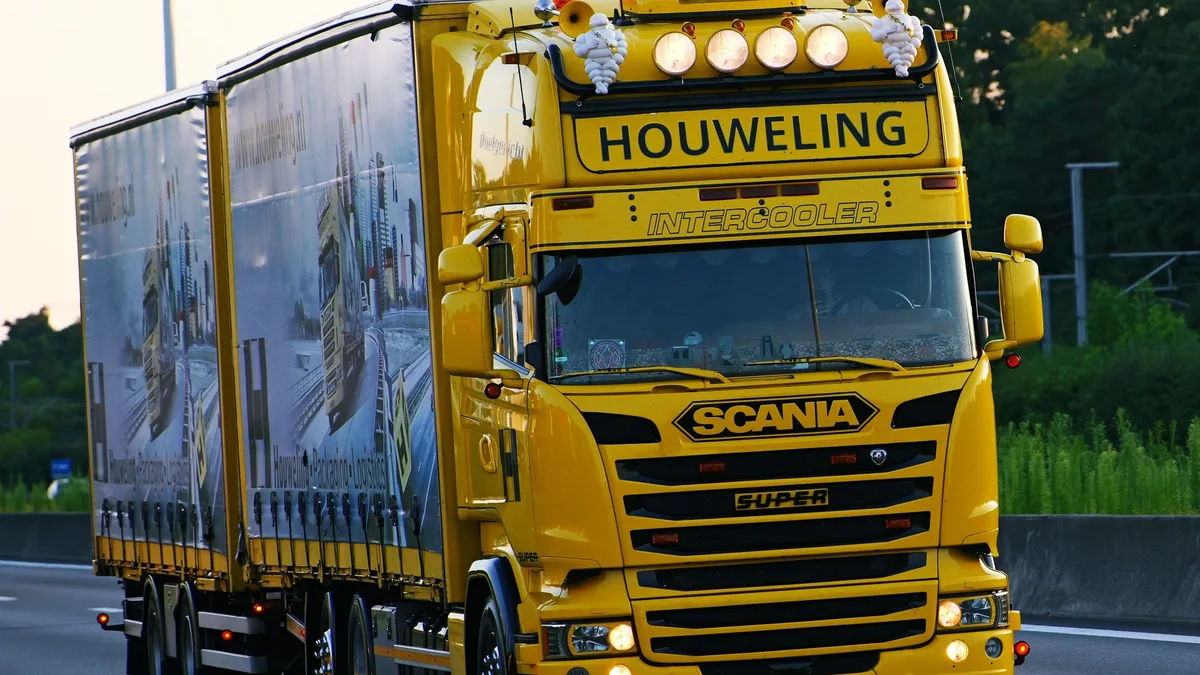
Toyota and Scania partner on hydrogen truck
Toyota and Scania will test 40 heavy-duty hydrogen fuel cell trucks in real-world logistics, starting in early 2027.
Toyota targets 40% profit rise from services
Toyota Motor aims to boost operating profit from services, parts, and financing by roughly 40% to 3 trillion yen by fiscal 2030, according to a...
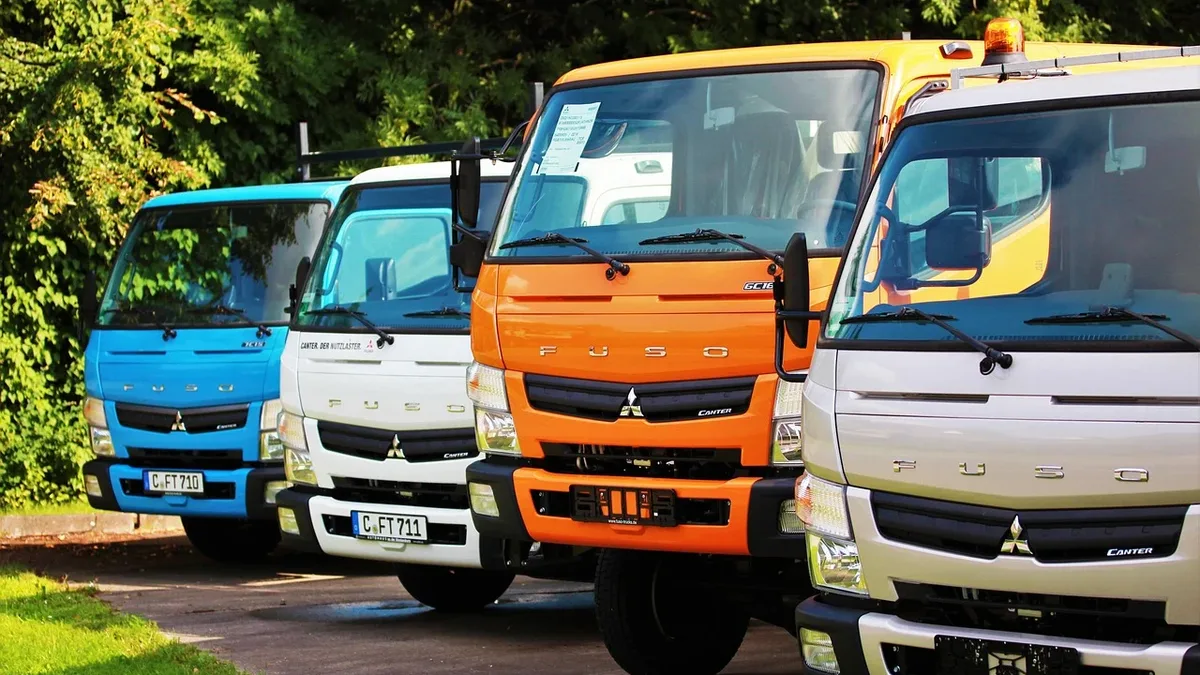
Archion launches Hino and Fuso trucks
Archion Corporation has unveiled the first Hino and Mitsubishi Fuso trucks to use a common platform. The Hino Ranger and Fuso Fighter medium-duty...

Toyota July 2026 global sales fall 5.2%
Toyota Motor Corporation reported a 5.2% year-on-year decline in global vehicle sales to 912,683 units in July 2026, with overseas sales dropping...