Volvo Cars
| Country of origin | Sweden |
|---|---|
| First created | 1927 |
| Original use | Automobile manufacturing |
| Headquarters location | Torslanda, Gothenburg |
| Current ownership | Geely Holding (majority), publicly listed |
| Primary production plants | Torslanda (Sweden), Ghent (Belgium), Ridgeville (United States), Daqing (China) |
| Core brand attributes | Safety, Swedish heritage and design |
| Vehicle types | SUVs, station wagons, sedans |
Origin and history
Volvo Cars was founded in Gothenburg, Sweden, in 1927 as an automobile maker built around safety. The Volvo name had been registered earlier by SKF, the company that created the car business as a subsidiary, and the first car left the assembly line in 1927. The early vehicles were closed top and cabriolet vehicles intended to work in Swedish climate and terrain. Volvo Cars later opened assembly sites in several countries, including Halifax in Canada in 1963, Ghent in Belgium in 1965, and Uddevalla in Sweden in 1989. The Torslanda plant in Sweden opened in 1964 and is one of the company's largest production sites. In 1999, AB Volvo sold the automobile division to Ford Motor Company, and Ford sold Volvo Cars to Geely Holding in 2010. Volvo Cars was listed on Nasdaq Stockholm in 2021, and Geely Holding retains majority ownership.
What it is for
Volvo Cars is for manufacturing passenger vehicles rather than heavy trucks, buses, or construction equipment. It builds SUVs, station wagons, and sedans, and safety and Swedish design are long-standing product themes. Its production is organised through assembly plants, including Torslanda in Sweden, Ridgeville in South Carolina, Ghent in Belgium, and Daqing in China. Those plants are fed by a supplier tier that provides vehicle parts and related systems. These holdings show a maker that is integrating electric batteries, advanced driver assistance software, and infotainment into its own production system. For a specialist site about assembly and supply, Volvo Cars is useful as an example of a luxury car maker that controls some key supplier functions while still relying on external parts makers.
Pros and cons
The main strength is a long-established assembly network with plants in Sweden, the United States, Belgium, and China. That network gives Volvo Cars an international production base rather than a single-country plant. Its safety-focused history can also help suppliers understand why body structure, restraint systems, and testing requirements may be strict. Another strength is its ownership of battery, software, and infotainment assets, which gives the maker more control over parts of the supplier tier. The weaknesses are real. Volvo Cars is described as a luxury vehicle maker, so suppliers may face smaller orders and more model-specific tooling than they would with a mass-market producer. Its ownership history and corporate structure can make long-term commitments harder to read, because it changed hands from AB Volvo to Ford and then to Geely Holding. The common mistake is assuming Volvo Cars and AB Volvo are one production system, or assuming all models are built in one plant. A supplier that expects a single simple Swedish assembly base may regret the choice when it encounters regional plants, software partners, and battery joint ventures.
Who it suits
This page suits readers who need to understand Volvo Cars as a maker inside an assembly and supplier system. It is useful for people studying plant networks, production history, and the relationship between a car brand and its component suppliers. It also suits readers who need to separate Volvo Cars from AB Volvo, because the two organisations share the Volvo logo but have different production histories. It is relevant for anyone tracking how a Swedish car maker uses plants in Sweden, the United States, Belgium, and China. It is less useful for readers who want purchase advice, model reviews, or dealer comparisons. It is also less useful for readers who need a simple list of finished cars, because the site context is production, not buying. The best use is as a reference for how a luxury vehicle maker organises assembly, supplier tiers, and controlled software or battery assets.
Latest Volvo Cars news
Latest reporting

Mercedes-Benz and NVIDIA Expand Automated Driving Partnership
Mercedes-Benz and Volvo have both significantly expanded their strategic partnerships with NVIDIA this week, aiming to co-develop next-generation...

Volvo Cars withdraws 2026 guidance amid China, US slowdown
Volvo Cars has withdrawn its full-year 2026 financial guidance, citing deteriorating market conditions in China and a slower-than-expected recovery.
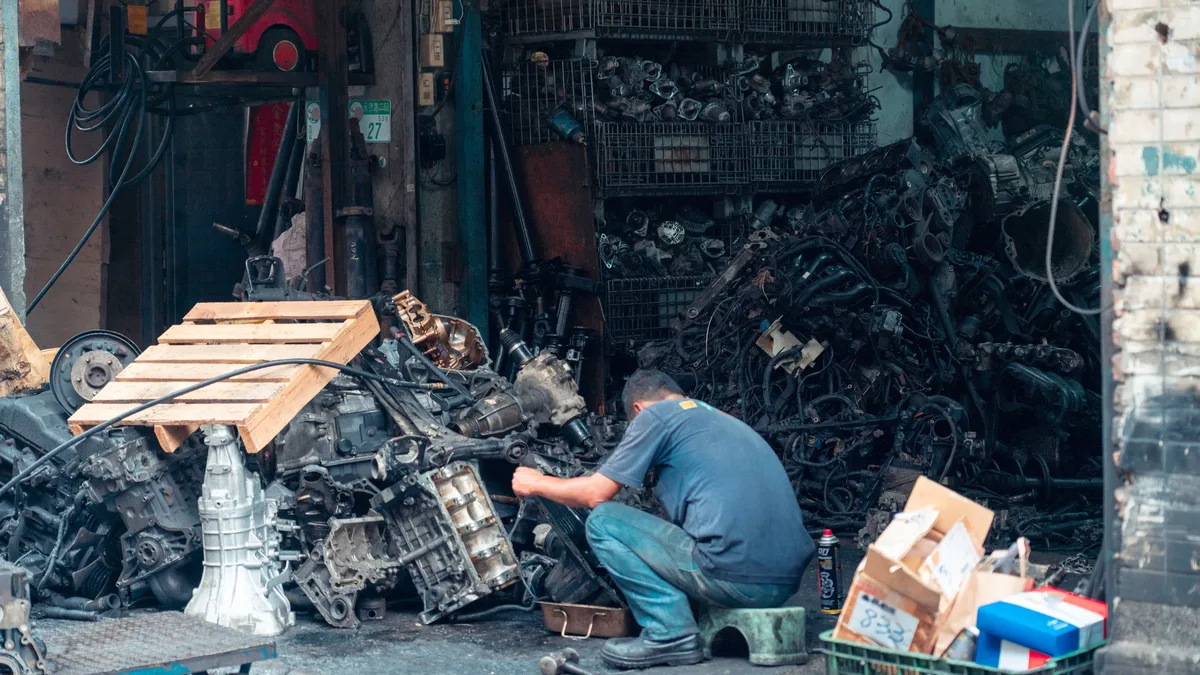
Honda Cars India invests $46.9m in Karnataka
Honda Cars India has begun a Rs4.50 billion ($46.9 million) second-phase expansion of its spare parts warehouse in Doddaballapura, Karnataka.
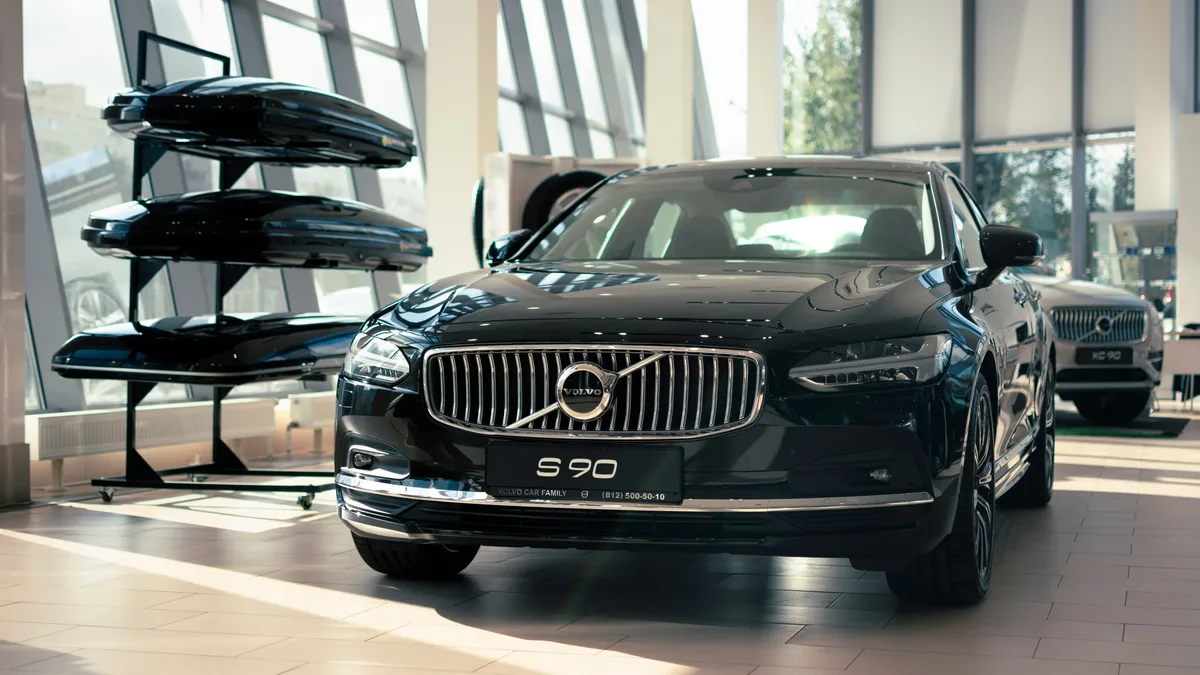
Volvo plans 13 new models by 2030
Volvo Cars has announced a plan to launch 13 new models by 2030, its largest product expansion ever. The rollout includes seven vehicles for Western...
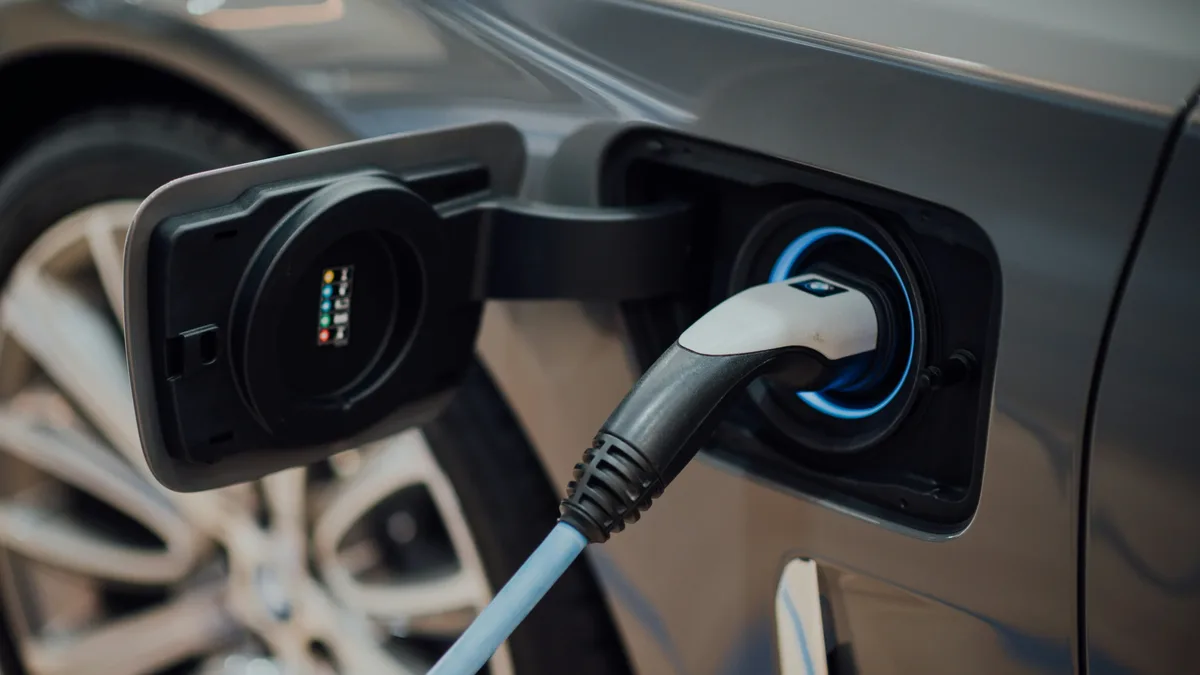
Pekema Seeks Budget 2027 Aid for Bumiputera EV Shift
Malaysian parallel importer association Pekema has urged the government to use Budget 2027 to help Bumiputera automotive entrepreneurs move from used...

BYD Malaysia launches limited Sealion 7 Performance edition
BYD Cars Malaysia has launched a 16-unit special edition of the Sealion 7 Performance SUV in Hibiscus Red paint, priced at RM197,800.