800 Volt Architectures And Silicon Carbide Inverters
Origin and history
The core technologies enabling 800-volt architectures and silicon carbide (SiC) inverters originated from distinct global research and industrial efforts. The concept of higher-voltage electrical systems for vehicles has roots in academic and motorsport engineering, with significant development occurring in Europe and North America in the late 20th century. Silicon carbide as a semiconductor material was researched for decades, with its superior properties known since the mid-20th century, but practical, cost-effective manufacturing for power electronics matured in the early 21st century. The convergence of these two technologies into a viable production solution for electric vehicles was pioneered in the 2010s. Key development work was led by automotive OEMs, particularly in Germany, in collaboration with semiconductor suppliers from the United States, Europe, and Japan. The first production vehicles featuring integrated 800-volt SiC inverter systems entered the market in the late 2010s, marking a shift from prototype and niche applications.
What it was bred for
This combined technology system was developed to directly address critical limitations in electric vehicle performance and manufacturing efficiency. Its primary purpose is to enable significantly faster DC charging speeds by allowing higher power transfer at a lower current, which reduces cable thickness, heat generation, and energy loss. The system was engineered to increase the overall efficiency of the electric drivetrain, thereby extending vehicle range from a given battery capacity. It was specifically bred to handle higher power densities, enabling more compact and lighter powertrain components which simplifies vehicle packaging and assembly. The technology aims to reduce thermal management burdens by generating less waste heat during operation compared to conventional 400-volt silicon-based systems. Furthermore, it was designed to support higher performance metrics, including sustained high-power output for acceleration and towing, without compromising component longevity.
Life cycle
The life cycle of an 800-volt architecture with a silicon carbide inverter begins with the separate manufacturing of its constituent components, including SiC wafers, power modules, and high-voltage cabling. Silicon carbide wafer production is a complex, high-energy process involving crystal growth, doping, and precise slicing, which currently represents a bottleneck with a longer lead time than silicon. The inverter assembly itself follows a precise, automated production line where SiC MOSFETs are bonded, interconnected, and integrated with gate drivers and cooling systems within a sealed housing. Once installed in a vehicle, the operational life cycle is characterized by high reliability under thermal and electrical stress, though long-term durability data across millions of fleet miles is still being accumulated. End-of-life considerations focus on the recyclability of metals and ceramics within the inverter, though the recovery and reuse of silicon carbide semiconductors present a distinct technical challenge. The technology's life cycle is also defined by continuous iteration, with subsequent generations aiming for higher integration, reduced rare material use, and improved manufacturability.
Character and appearance
Physically, an 800-volt silicon carbide inverter is typically a sealed, liquid-cooled aluminum casing, often more compact than an equivalent-power silicon-based unit. Its internal character is defined by the use of dark, crystalline silicon carbide power semiconductors, which are smaller than silicon IGBTs for the same rating. The supporting electrical architecture is characterized by thinner, lighter high-voltage wiring harnesses and connectors, due to the lower current, which simplifies routing on the assembly line. Thermally, the system's character is cooler-running during operation, allowing for potentially smaller and less complex cooling loops within the vehicle's thermal management system. Electrically, its character is defined by high switching frequencies, which reduce the size of passive magnetic components like inductors within the inverter. The overall appearance in the vehicle's powertrain bay is one of reduced mass and volume, contributing to a more modular and accessible assembly process.
Overview
An 800-volt architecture combined with a silicon carbide inverter constitutes a high-voltage electrical system for battery electric vehicles. This system operates at roughly double the nominal voltage of the previous industry standard, which was predominantly 400 volts. The silicon carbide inverter is the critical component that converts direct current from the battery into alternating current to drive the electric motor. The higher voltage level allows for a reduction in amperage for a given power level, which fundamentally changes the design parameters for cables, connectors, and other power electronics. This technological combination represents a significant step in electric drivetrain evolution, focusing on efficiency, power density, and charging performance. It is not a single part but an integrated system philosophy that influences the design of the battery pack, charging port, auxiliary systems, and the entire vehicle's electrical distribution network.
What to know
Production staff must know that handling 800-volt components requires strict adherence to high-voltage safety protocols, even if the system is designed with safety interlocks. The assembly process demands exceptional cleanliness and precision, particularly for the inverter sub-assembly, as contamination can compromise the high-performance semiconductors. It is critical to understand that the entire vehicle's electrical system must be rated for the higher voltage, meaning standard 400-volt components cannot be intermixed without risk of catastrophic failure. Workers should be aware that diagnostic and testing equipment on the assembly line must be specifically calibrated for 800-volt systems, as standard tools may be inadequate or unsafe. Knowledge of the specific thermal interface material and torque specifications for inverter cooling plate attachment is vital, as heat dissipation is paramount for reliability. Supply chain personnel must know that sourcing silicon carbide wafers is a specialized process with fewer suppliers than silicon, creating a potential bottleneck that requires advanced planning and inventory strategy.
Common questions
A common question is whether 800-volt vehicles can still use existing public charging infrastructure, and the answer is yes, through onboard systems that can step down the voltage or handle a wide input range, though at reduced speeds on 400-volt chargers. Production teams often ask about the repairability of a failed SiC inverter, and typically the unit is treated as a sealed module to be replaced, not repaired on the line, due to the complexity and purity required. A frequent query concerns the electromagnetic interference generated by the high switching frequencies, which necessitates careful shielding and layout in both the inverter design and vehicle assembly to prevent noise issues. Many ask about the comparative failure rates, and while SiC inverters demonstrate high theoretical reliability, their long-term field data in high-volume consumer applications is still being gathered and analyzed. Assembly personnel commonly question if special training is required, and comprehensive training on high-voltage systems, specific connector mating procedures, and new torque sequences is mandatory. Suppliers often inquire about second-source options for SiC power modules, and while the market is expanding, design and qualification of alternative modules are non-trivial engineering tasks that can delay production.
Pros and cons
The primary advantage is a substantial increase in charging speed and drivetrain efficiency, leading to shorter station times and longer range. The system allows for lighter wiring harnesses and smaller, lighter powertrain components, reducing vehicle mass and simplifying assembly logistics. A significant pro is the reduced heat generation under normal operation, which can lower the demands on the cooling system. The major con is cost, as silicon carbide semiconductors are significantly more expensive than silicon, impacting the bill of materials and vehicle pricing. Another drawback is supply chain fragility, with limited global capacity for high-quality SiC substrate production creating vulnerability for high-volume manufacturing plans. A common mistake is underestimating the system-level engineering challenge, as moving to 800 volts requires a complete re-evaluation of every electrical component's isolation and rating, not just the inverter and battery. Some manufacturers may regret the investment if charging infrastructure does not widely deploy high-power 800-volt chargers quickly enough to realize the full consumer benefit, or if next-generation silicon technologies close the efficiency gap at lower cost.
Who it suits
This technology suits automotive manufacturers targeting the premium and performance vehicle segments, where the benefits of fast charging and high efficiency can justify the increased cost. It is well-suited for OEMs with vertical integration strategies or deep partnerships with semiconductor foundries, allowing them to secure supply and co-develop custom SiC solutions. The architecture suits new, dedicated electric vehicle platforms designed from a clean sheet to accommodate the high-voltage system, rather than legacy platforms adapted for electrification. It is less suited for entry-level or high-volume, cost-sensitive market segments where the price premium cannot be absorbed, and where maximum charging speed is a lower priority for buyers. The technology also suits suppliers who can master the specialized manufacturing and quality control processes required for reliable, high-yield SiC power module production.
Latest 800 Volt Architectures And Silicon Carbide Inverters news
Latest reporting
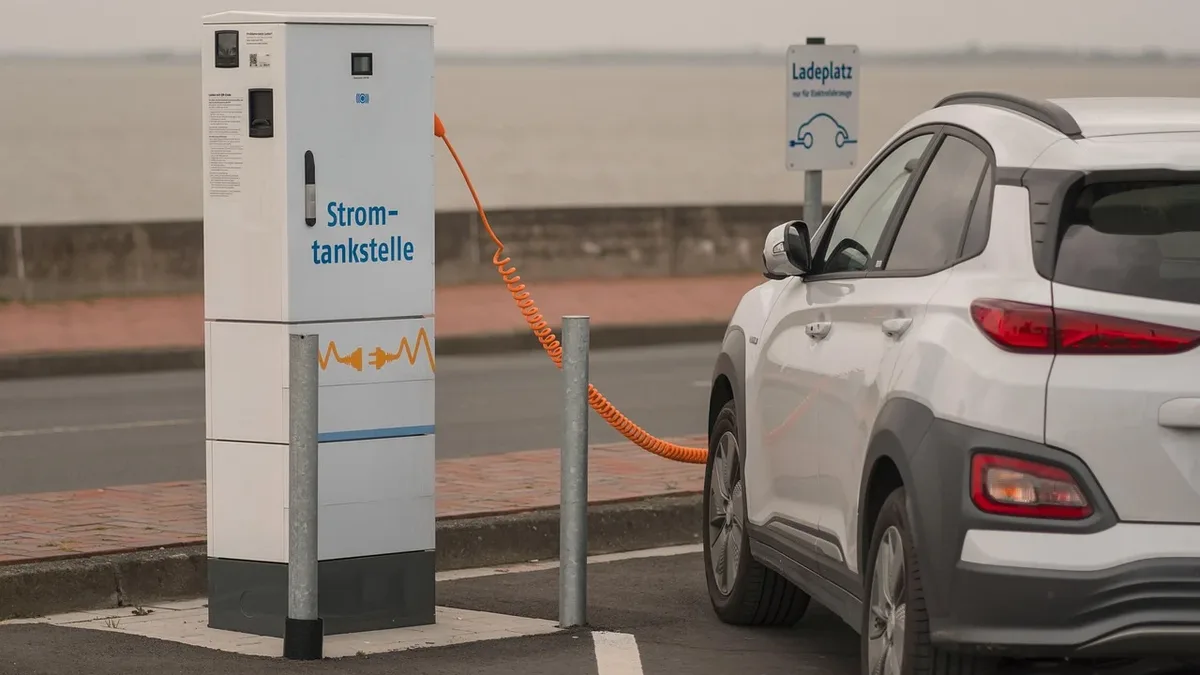
Volvo EX90 CKD launches in Malaysia with 800V power
Volvo Car Malaysia has launched a locally-assembled CKD version of the 2026 EX90 electric SUV. The model features an 800-volt architecture for faster...
Range Rover Electric Debuts with 800V System
Land Rover has unveiled the fully electric Range Rover, featuring an 800-volt architecture, a 118.5 kWh battery for up to 598 km of WLTP range, and...