Thailand Flooding Halts Toyota and Honda Production
Severe flooding in Thailand's eastern industrial belt has forced Toyota and Honda to suspend vehicle assembly operations.
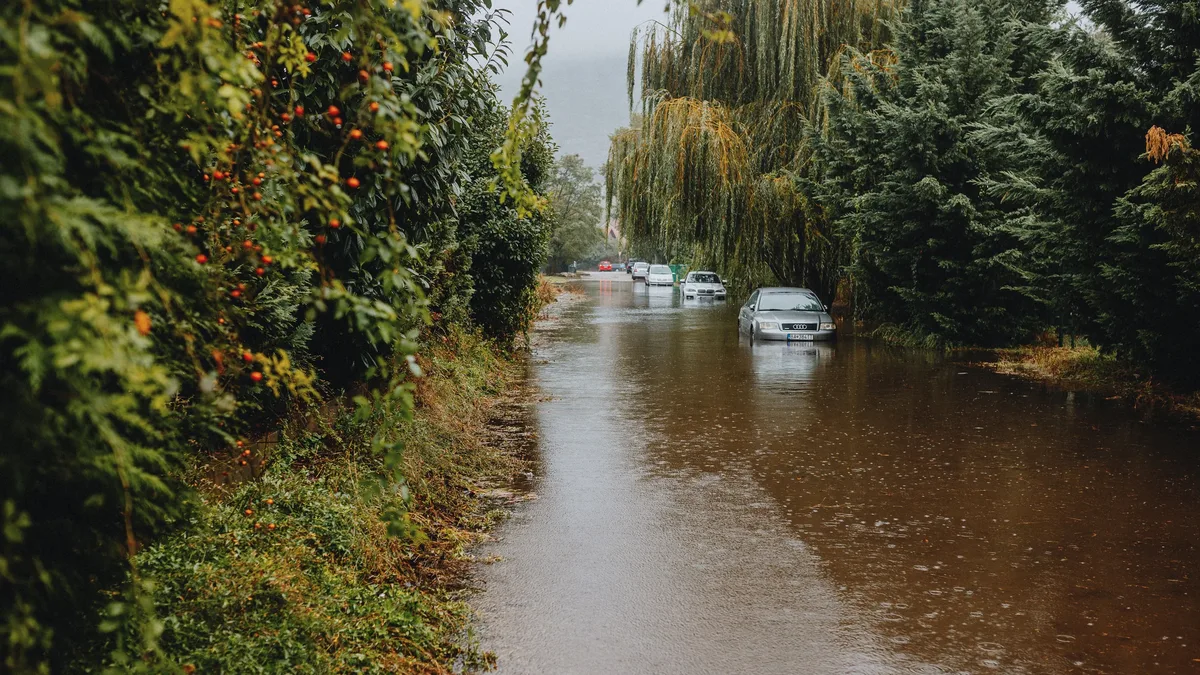
Toyota and Honda temporarily halted production at multiple plants in Thailand this week due to flooding disrupting logistics and worker access. Toyota Motor Thailand suspended operations at all its assembly plants, while Honda Automobile (Thailand) Co., Ltd. Stopped vehicle production at its Prachin Buri and Ayutthaya plants from October 2 to 6.
Toyota was forced to shut down four plants on September 30. The suspension affected its three main vehicle assembly plants: Samrong in Samut Prakan, Ban Pho in Chachoengsao, and Gateway in Chachoengsao. Operations also stopped at a plant run by affiliated company Toyota Auto Works Co., Ltd. The Ban Pho plant assembles the Hilux pickup truck and the Fortuner SUV. Honda's suspension was triggered because component suppliers in Chon Buri and Rayong provinces could not deliver parts. Honda had also halted motorcycle production at its Rayong plant on September 28 and 29.
Impact of flooding on supply chains and operations
Heavy monsoon rains caused major flooding in Bangkok and 14 other provinces between September 24 and 30. Accumulated rainfall exceeded 320 millimetres in just three days. This inundated key automotive industrial zones in Rayong, Chachoengsao, and Chon Buri provinces.
Major transport routes were heavily flooded, cutting off access for workers and logistics providers. Many component manufacturing plants were directly inundated. Suppliers were unable to deliver components to Toyota’s just-in-time production system as scheduled. Some employees faced difficulties travelling to work. The Federation of Thai Industries (FTI) stated that around 40% of its member businesses in affected areas reported impacts, with industrial areas in Chonburi particularly affected.
Automaker responses and recovery plans
Both companies are supporting affected employees and planning to recover lost output. Toyota and Honda allowed employees to take time off to care for personal property damaged by the floods. Toyota said the shutdown was a temporary measure while transport routes are restored.
"Toyota said it is working closely with its suppliers to restore deliveries, but has not announced a specific restart date," the company stated. It is assessing conditions with suppliers and preparing alternative transport routes. Honda allowed affected employees to take leave during the shutdown to look after their safety, families, and property.
Honda expects the impact on production to be short-lived and plans to resume normal operations on October 7. Once production restarts, both automakers plan to introduce additional overtime shifts to recover lost output and fulfil customer orders. The FTI said vehicle production could return to normal once drainage improves in key industrial areas.
Specific plant details and broader context
Thailand's automotive industry has a significant manufacturing presence in Prachin Buri and Rayong. Toyota and Honda are two of the country's largest automakers. The flooding's disruption extended beyond the plant-floor network, with Thai Airways cancelling 22 domestic and international flights.
Losses to the automotive supply chain and related industries are estimated at no less than THB1.018 billion. This figure covers direct damage to machinery, electrical systems, raw materials, components and vehicles, as well as indirect losses from production stoppages and employee absenteeism. Thailand’s 2026 vehicle production target is 1.45 million units.
Honda plans to resume normal operations on October 7 and introduce additional overtime shifts to recover lost output.