Adas Sensor Supply
Origin and history
Adas Sensor Supply is a modern automotive supplier specializing in the production and assembly of advanced driver-assistance systems (ADAS) sensors and their associated electronic control units. It originated within the automotive manufacturing hubs of Central Europe in the early 21st century, aligning with the rapid industry shift towards vehicle automation. The entity was established specifically to address the growing technical complexity and integration demands of radar, LiDAR, and camera systems. Its development was a direct response to original equipment manufacturers (OEMs) outsourcing these critical but non-core modules to dedicated specialist firms. The company's history is intertwined with the evolution of safety regulations and consumer demand for features like automatic emergency braking and adaptive cruise control. Its operational model solidified in the 2010s as a Tier 1 or Tier 2 supplier, feeding directly into vehicle assembly plants.
What it was bred for
This supplier was created for the precise assembly, calibration, and supply of integrated ADAS sensor modules to vehicle assembly lines. Its core purpose is to transform individual electronic components, lenses, and casings into a fully validated and functional sensing unit ready for installation. The operation is bred to manage the high-precision, clean-room manufacturing environments these sensitive components require, which differ from traditional automotive part production. It handles the intricate programming and initial software flashing of the electronic control units that process raw sensor data. The supplier also exists to perform rigorous end-of-line testing, including optical alignment and functional checks, that most vehicle plants are not equipped to conduct. Its entire process is designed to ensure that the complex sensor arrives at the assembly plant as a validated "black box," simplifying the final vehicle assembly task.
Life cycle
The operational life cycle of an Adas Sensor Supply plant begins with the receipt of components from its own Tier 2 and Tier 3 suppliers, such as semiconductor chips, lens assemblies, and housing parts. Incoming parts undergo quality inspection before being kitted for the assembly line, which typically involves surface-mount technology (SMT) lines for populating printed circuit boards. The assembled sensor modules then proceed through a series of automated and manual assembly stages, including lens mounting, sealing, and housing closure. A critical phase follows: the calibration and software initialization cycle, where each unit is connected to test fixtures that simulate real-world conditions to align its parameters. After passing final validation tests, the sensors are packaged in protective, static-safe packaging and sequenced for just-in-time delivery to the customer's vehicle assembly line. The plant's own life cycle is tied to vehicle model programs, often operating at high capacity for 5-7 years before retooling for the next-generation sensor design.
Character and appearance
An Adas Sensor Supply facility is characterized by its hybrid manufacturing environment, combining high-volume electronics production with precision optical assembly. The exterior often resembles a modern industrial park building, but the interior is segmented into distinct zones with varying cleanliness standards. The surface-mount technology area features rows of automated placement machines and reflow ovens, marked by the hum of ventilation and conveyor belts. The calibration and testing zones are notably quieter, populated by dark, windowed test chambers and racks of computing equipment used for functional validation. The overall appearance is one of stringent process control, with clear workflow markings, electrostatic discharge protection measures evident everywhere, and minimal inventory due to lean sequencing. The final product units themselves are unassuming, typically encased in black plastic or metal housings with a clear aperture for the lens, designed for seamless integration into a vehicle's grille, windshield, or bumper.
Overview
Adas Sensor Supply operates as a critical nexus in the automotive supply chain, converting high-tech components into a safety-critical vehicle system. It occupies a specialized tier between semiconductor manufacturers and the final vehicle assembler, adding significant value through integration and validation. The plant's output is not a commodity but a highly customized module, precisely configured for a specific vehicle model's performance requirements and physical packaging. Its success hinges on flawless quality metrics and exact on-time delivery, as a single missing or defective sensor can halt an entire vehicle assembly line. The operation represents a substantial capital investment in specialized equipment for soldering, calibration, and testing, making it a long-term strategic partner for OEMs. Overall, it is a capital-intensive, technology-driven manufacturing entity essential for enabling modern vehicle automation features.
What to know
The integration and calibration process is the most critical and proprietary aspect of the operation, often protected by strict intellectual property agreements. Lead times for these integrated modules are typically long due to complex global supply chains for key components like application-specific integrated circuits (ASICs). Any disruption at the semiconductor level can immediately impact the sensor plant's output, as there are often no alternative suppliers for critical chips. The supplied sensor is a "zero-fail" part, meaning its acceptance criteria at the vehicle assembly plant require a defect rate measured in parts per million. The physical connection between the sensor and the vehicle's electrical system is often a proprietary, sealed harness connector to prevent incorrect installation. It is crucial to understand that the supplier is responsible for the sensor's performance up to the point of installation, after which vehicle-level system validation becomes the OEM's responsibility.
Common questions
What is the difference between an Adas Sensor Supply plant and a simple parts distributor? It is a full-scale manufacturing and assembly operation, not a warehouse. How does the plant ensure the precise optical alignment required for camera and LiDAR systems? This is done using automated, laser-guided calibration rigs in a controlled environment before the unit is sealed. What happens if a sensor is dropped or mishandled after it leaves the supplier's facility? The unit is typically considered damaged and must be returned, as field calibration is often impossible. Are these sensors repairable on the assembly line if a fault is found? No, they are almost always replaced as a complete module due to their sealed construction and calibrated state. Does the supplier perform software updates? The supplier loads the initial software; subsequent updates are typically performed by the OEM via over-the-air protocols after vehicle sale. Why can't the vehicle assembly plant just install the individual components? The precision assembly, calibration, and testing require a dedicated environment and expertise not found on a general vehicle assembly line.
Pros and cons
It concentrates capital investment in specialized equipment within the supplier, reducing the OEM's factory footprint and complexity. The cons are substantial, however, including extreme supply chain vulnerability, as a single missing component from a lower-tier supplier can stop all sensor production. A common mistake is underestimating the testing and validation time required for each new sensor generation, leading to program launch delays. Customers often regret selecting a supplier based solely on unit cost without evaluating their technical depth and quality control resilience. Furthermore, the proprietary nature of the integrated modules can lead to costly single-source dependency, limiting the OEM's negotiating power and creating risks if the supplier encounters operational problems.
Who it suits
This supply model suits large, established automotive OEMs who prioritize speed to market for new ADAS features and wish to avoid the internal R&D burden. It is ideal for vehicle programs with high production volumes, where the supplier's dedicated production lines can achieve economies of scale and refined process control. The model also suits OEMs whose core competency lies in vehicle design and mass assembly rather than in microelectronics and photonics. It is less suitable for very low-volume or niche vehicle manufacturers, who may find the high upfront non-recurring engineering costs prohibitive. Furthermore, it is a poor fit for OEMs seeking full vertical integration and direct control over every vehicle system, as this model inherently cedes significant technical responsibility to an external partner.
Latest Adas Sensor Supply news
Latest reporting
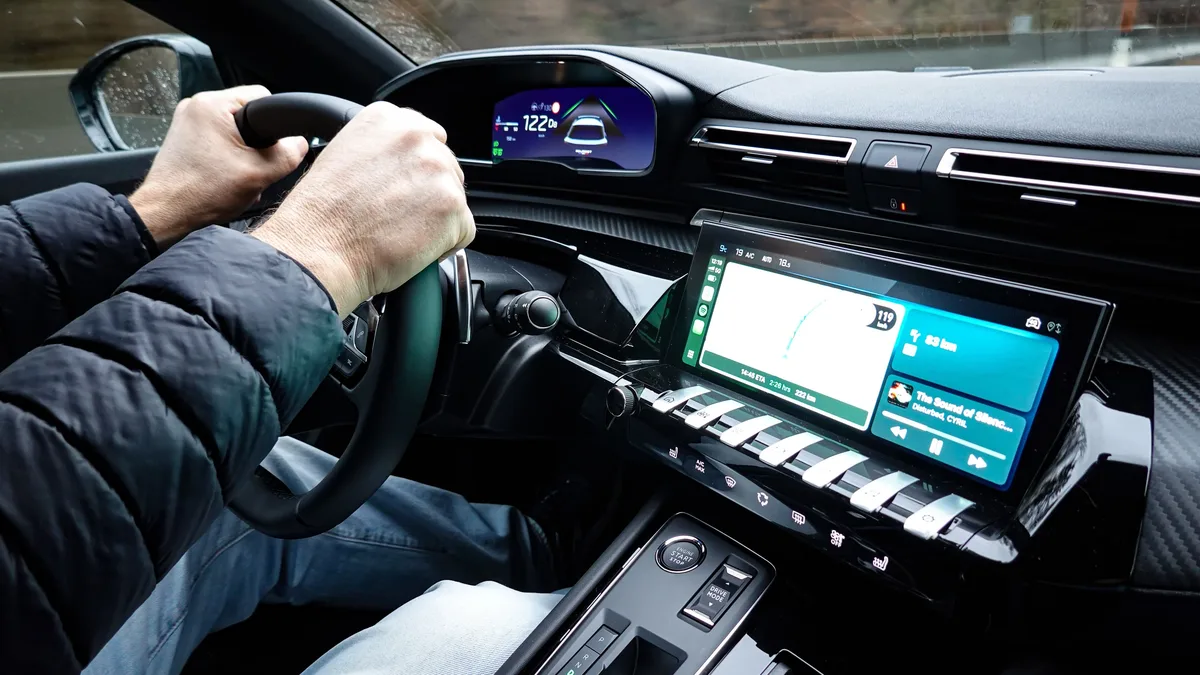
Momenta and DSAT partner on ADAS for Peugeot and Jeep
Momenta and Dongfeng Stellantis Automotive Technology have formed a global partnership to jointly develop and supply advanced driver assistance...
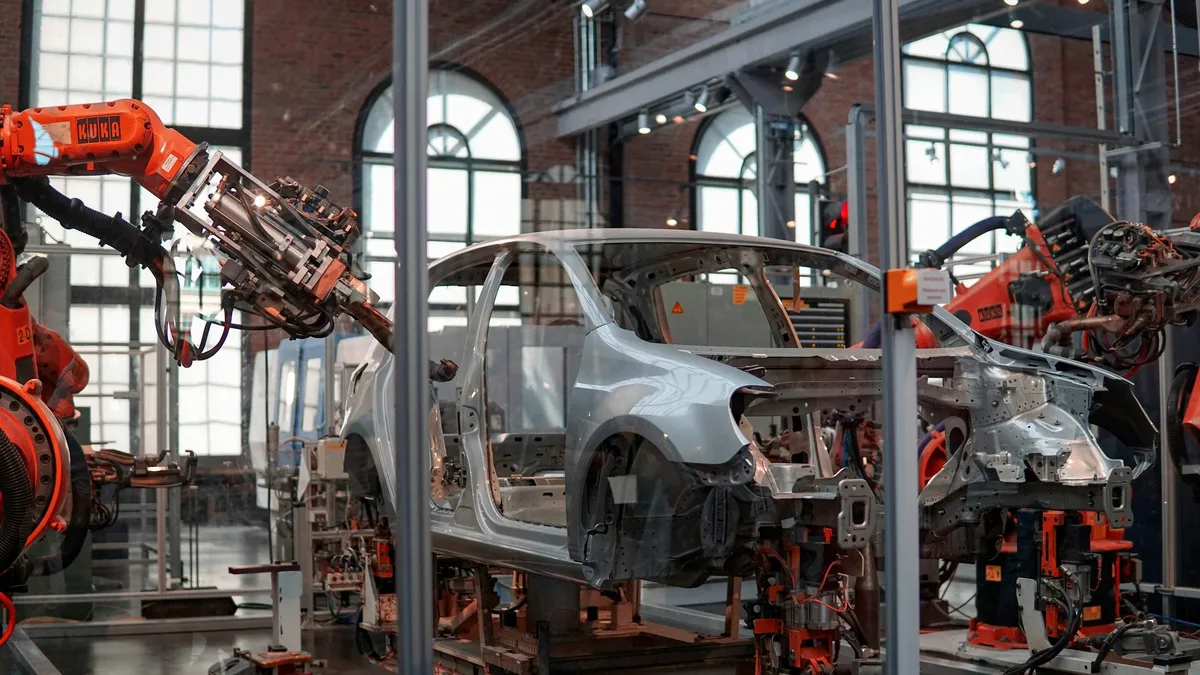
Hirain, Arbe win imaging radar contract for L3 driving
Hirain Technologies and Arbe Robotics have secured a contract from an unnamed automaker to supply imaging radar for a Level 3 automated driving...

Hyundai-Posco starts $5.8bn US auto steel
Hyundai-Posco Louisiana Steel has broken ground on a $5.8 billion integrated steel plant in Louisiana. The facility, set to open in Q1 2029, will...

Honda demands $9.4bn in supplier cost cuts
Honda is demanding price cuts from its supply chain to reduce costs by $9.39 billion by 2030, aiming to counter intense competition from Chinese...
Perodua ICE model to start Q2 2027 production
MCE Holdings secured RM54.28 million in supply contracts with Perodua for automotive electronics and mechatronic components for an ICE model...