Volkswagen pauses ID. Golf development amid 300 million euro savings gap
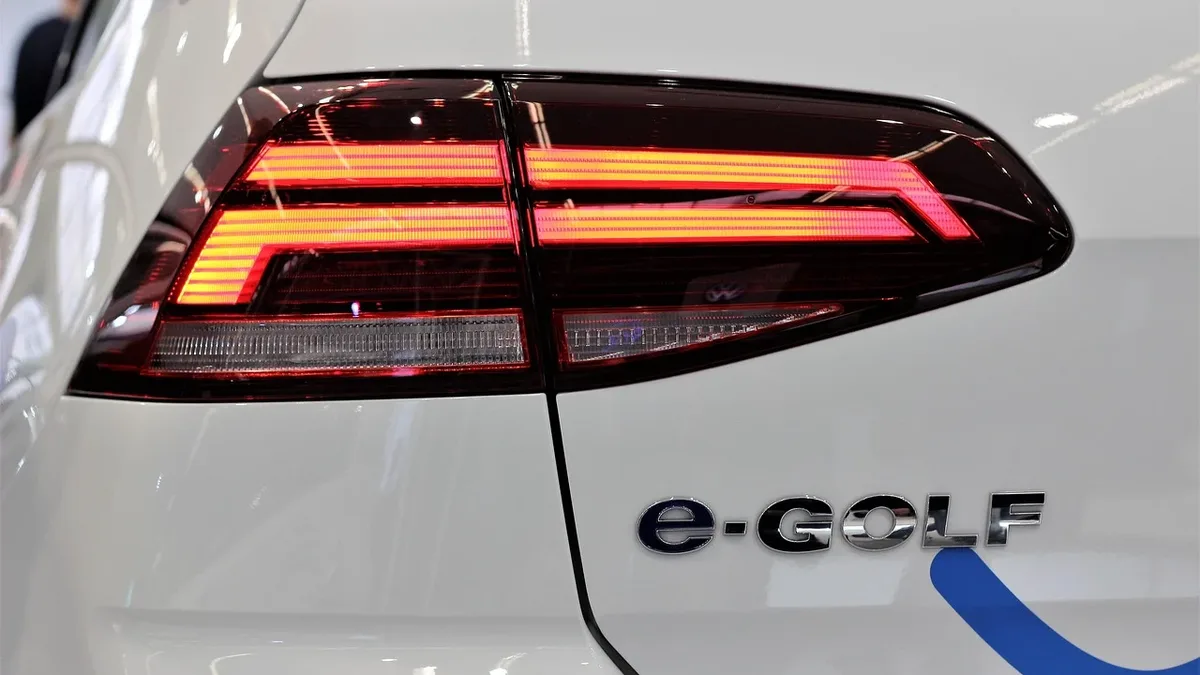
Volkswagen has halted development of the electric ID. Golf at its Wolfsburg plant, citing a 300 million euro savings shortfall and severe financial losses, with the model's launch now pushed beyond 2031.
Volkswagen has halted development work on the ID. Golf electric hatchback at its Wolfsburg site. The decision is driven by a 300 million euro savings gap at the plant and comes as the company reports a 5.8 billion euro operating loss for the third quarter of 2026. Thomas Schaefer, chief executive of Volkswagen's volume brands, informed employees of the pause, acknowledging the Golf's significance to the brand and the Wolfsburg facility. He stressed the work was simply unaffordable at present but confirmed the model has not been cancelled.
The site is not currently slated for closure, but Volkswagen's German operations are under intense pressure to cut costs. The company said it is pausing development to find ways to reduce spending during an extremely turbulent period. For the first nine months of 2026, the Volkswagen Group's passenger car business recorded an operating margin of just 1.3%. Global deliveries across its portfolio fell 9% to 6.01 million units in the same period.
Strategic shift toward internal combustion
The pause allows Volkswagen to focus on improving its cost base and maintaining investment discipline. The company is leaning heavily on internal combustion engines to preserve cash flow. This shift comes as the transition to electric vehicles impacts sales volumes and reduces revenue from higher-margin combustion models. As part of a broader restructuring, Volkswagen plans to cut up to 100,000 jobs globally by 2030.
ID. Golf timeline and SSP delays
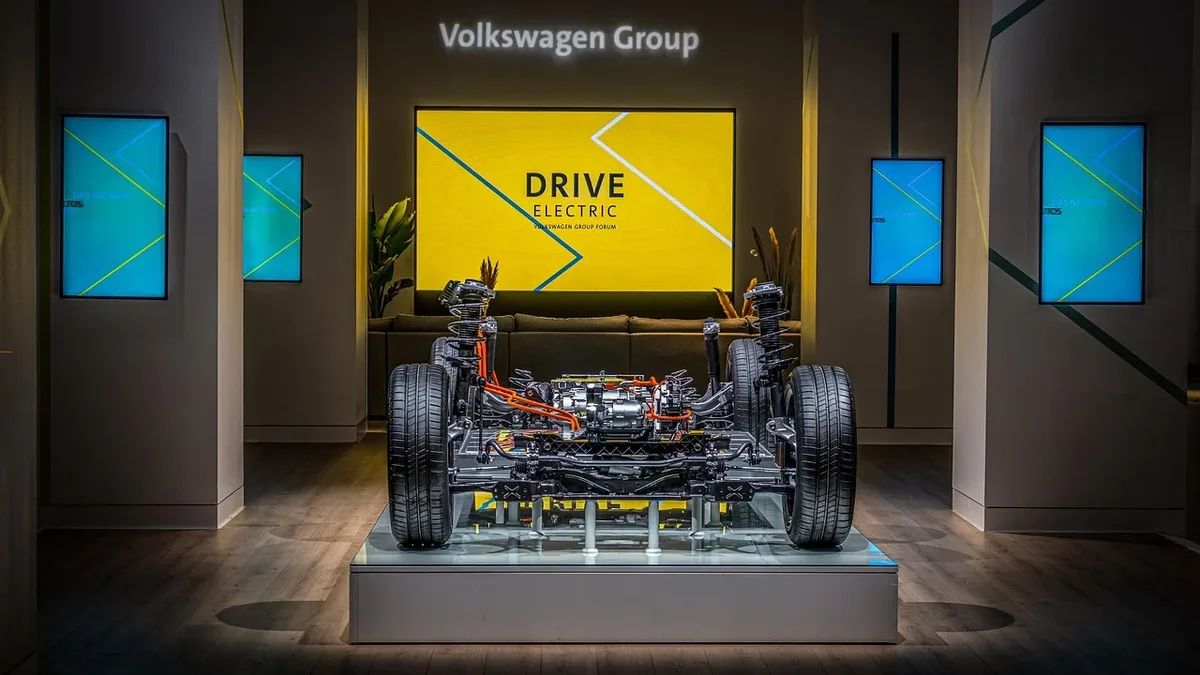
The ID. Golf was slated to be among the first vehicles using Volkswagen's new Scalable Systems Platform (SSP). That architecture, initially planned for 2026 and being developed with Rivian, has faced multiple software hurdles and delays. The electric Golf was previously postponed from a 2028 launch to the end of the decade. The current development pause likely means the model will not arrive before the start of the 2030s. Volkswagen's works council insists the spending freeze will not postpone the eventual market launch. The current electric Golf equivalent, the ID.3, recently received a major facelift extending its lifespan.
Volkswagen is also considering underpinning up to 75% of its next-generation EVs with the China Electric Architecture (CEA), co-developed with Xpeng. This software-defined platform reduces electronic control units by around 30% and could slash vehicle development time by a similar margin. Difficulties with the ID. Golf's running gear and overall finances are driving consideration of this existing platform.
Broader restructuring and job cuts
Volkswagen is moving forward with a drastic restructuring plan. It includes the potential closure of up to four German factories, with sites in Emden and Zwickau reportedly making progress on job cuts and facing potential shutdown. Tensions with the IG Metall union have risen significantly, with the union considering strike action from 1 January 2026.
Amid these cuts, the production of the gas-powered eighth-generation Golf is scheduled to relocate from Wolfsburg to Puebla, Mexico, in 2027. Meanwhile, the group's premium brand, Audi, is investing $4 billion into a new assembly plant in Georgia, United States. Volkswagen will likely provide an update on the ID. Golf's future once necessary cost-cutting measures are secured, with the model's launch now expected no earlier than the start of the 2030s.