Tengku Zafrul questions profitability of F1 return to Malaysia
After Sepang hosted a one-off Bahrain Grand Prix, Tengku Zafrul Abdul Aziz publicly questioned if Malaysia can profitably bring Formula 1 back permanently, citing Singapore's costly but lucrative tourism-driven model as a benchmark.
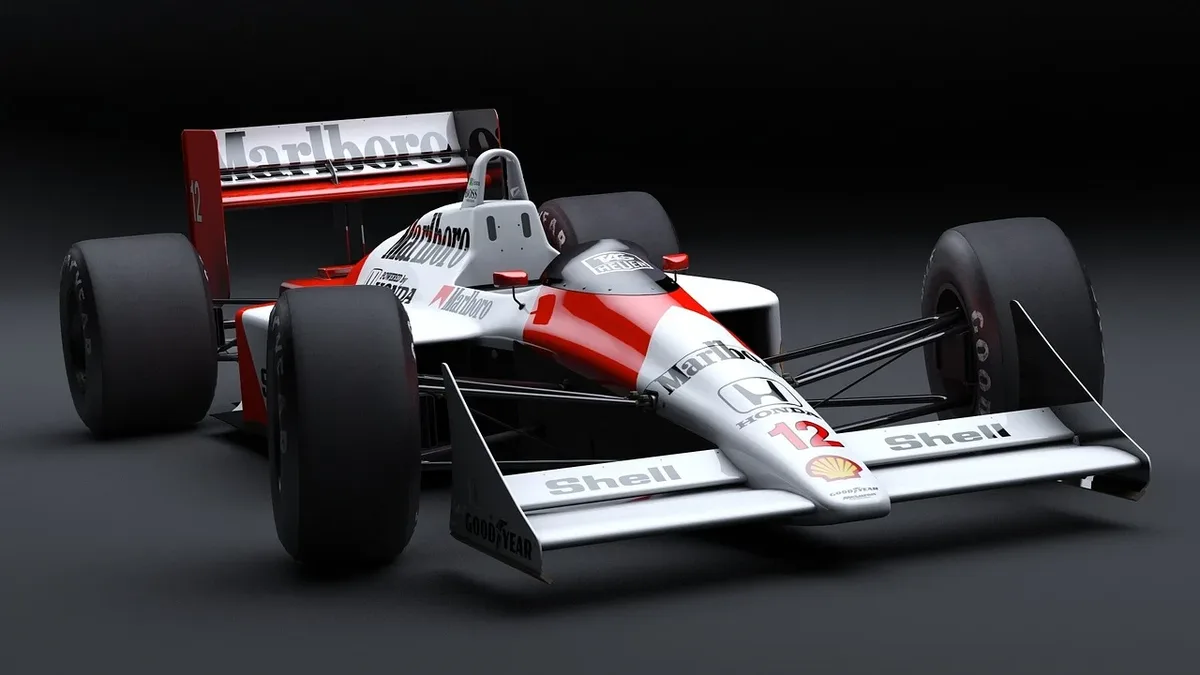
The Sepang International Circuit made an impromptu comeback to the global stage earlier this month. It hosted the 2026 Bahrain Grand Prix as a one-off substitution after the race was unable to proceed at the Bahrain International Circuit in Sakhir due to heightened geopolitical tensions. The race weekend on October 12, 2026, drew massive crowds, reigniting debate over a permanent Formula 1 return to Malaysia.
Tengku Zafrul's F1 return inquiry
Tengku Datuk Seri Zafrul Abdul Aziz, president of BA of Malaysia and chairman of the Malaysian Investment Development Authority, has publicly questioned the economic viability of such a move. The former finance minister attended the Singapore Grand Prix on an invitation from the Singapore government. He subsequently took to social media to ask whether Formula 1 should return permanently to Sepang. "Singapore really excels at turning F1 into more than just a race, it’s a complete experience," Tengku Zafrul stated. He noted Singapore's integration of hospitality, entertainment, and business events alongside the track action.
He emphasized that Malaysia already possesses a world-class circuit. Bringing F1 back, however, requires thinking beyond the race itself. The core question is how to attract tourists, generate revenue, and ensure economic returns justify the substantial hosting costs. "The big question: can we make F1 profitable enough for Malaysia?" he asked.
Singapore's F1 model as benchmark
Tengku Zafrul pointed to Singapore's model as a reference. According to parliamentary replies from Singapore’s Ministry of Energy, Trade and Industry, the city-state pays an estimated SGD 140 million (about RM 446 million) annually to host the Singapore Grand Prix from 2022 to 2025. This cost covers hosting rights and infrastructure. The government co-funds 60% of this total, covering track maintenance, grandstands, security, and medical services. Private entities and sponsors cover the remaining 40%.
In return, the event has generated over SGD 2.2 billion (RM 7 billion) in incremental tourism receipts since its 2008 inception. During the 2022-2025 period, an average of SGD 30 million (RM 96 million) was collected annually from a special hotel tax levied during race week.
| Metric | Singapore Grand Prix (2022-2025) |
|---|---|
| Annual Hosting Cost | SGD 140 million (RM 446 million) |
| Government Co-funding | 60% of total cost |
| Private/Sponsor Funding | 40% of total cost |
| Avg. Annual Hotel Tax Revenue | SGD 30 million (RM 96 million) |
| Total Tourism Receipts (2008-2024) | Over SGD 2.2 billion (RM 7 billion) |
Sepang's technical credentials and Malaysia's F1 history
Malaysia holds a technical edge with the Sepang circuit. At the same time, many drivers and F1 fans still consider Sepang to be one of the most challenging circuits in the F1 world, Tengku Zafrul said. Its reputation stems from high-speed corners, unpredictable weather, and a layout that rigorously tests driver skill. This was demonstrated during the recent Bahrain Grand Prix, which Red Bull's Max Verstappen won on wet tarmac.
Malaysia was a regular fixture on the Formula 1 calendar from 1999 until 2017. The Malaysian Grand Prix was dropped after the 2017 event. Rising hosting costs and declining attendance were key factors in its removal.
Path forward for Malaysia's F1 ambition
Any future bid for a Formula 1 return must rigorously assess whether the economic returns justify the hosting costs. Tengku Zafrul stresses that Malaysia must look beyond the track action. The goal would be to mirror Singapore's approach of combining racing with broader business and tourism opportunities. This includes organizing conferences and business events on the sidelines to build relationships and open economic avenues. The recent successful one-off event at Sepang has given fresh momentum to these discussions. Tengku Zafrul's central social media query remains whether Formula 1 should return permanently to the Sepang International Circuit.