Nissan targets 80% US production by 2030
Nissan aims to build 80% of its US-sold vehicles locally by 2030, up from 65% now, as part of a restructuring plan.
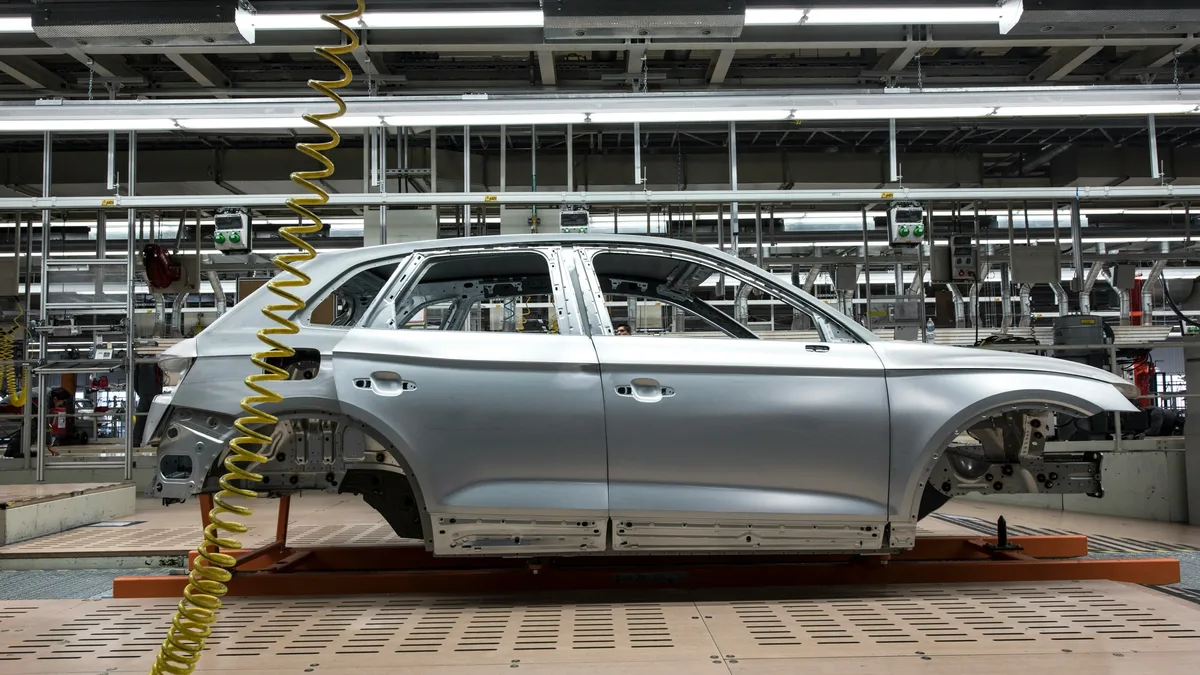
Nissan Motor aims to manufacture 80% of the vehicles it sells in the United States locally by the end of 2030. This target is a central part of its Re:Nissan restructuring plan, launched after weak US profitability contributed to wider business difficulties. The push follows tariffs imposed by the Trump administration and represents a significant increase from the roughly 40% local production rate seen before those trade policies.
Nissan currently produces 65% of vehicles sold in the U.S. Locally across its six manufacturing operations in the Americas. The company is focusing its US production strategy on three key models: the Rogue, Pathfinder, and Frontier. Together, these models form the cornerstone of Nissan's broader core model strategy and represent 55% of the brand's total US sales.
E-Power Rogue launch and localisation timeline
Nissan plans to start US sales of a Rogue using its proprietary e-Power hybrid technology in November. The new e-Power Rogue model will initially be imported from Japan. Local assembly of e-Power Rogue models is planned for 2028, though the start of US production depends on market performance.
Strategic rationale and competitive context
Increasing US production could help limit tariff-related costs, provide dealers with a more localized supply, and support pricing and inventory availability. The strategy aims to reduce tariff exposure and strengthen market position while expanding Nissan's range of electrified products. A US-built e-Power Rogue would provide a localized hybrid to compete against rivals like Honda and Toyota, who are expanding their own domestic hybrid production.
Honda Motor is in the final stages of talks on building a US hybrid vehicle factory, with an estimated cost between $1.8 billion and $2.5 billion. Toyota Motor plans to invest $1 billion in electric and hybrid vehicle production for the North American market.
Broader hybrid and restructuring plans
Nissan is pairing increased US production with a broader hybrid push. The company plans to bring the Kicks e-Power hybrid to the US and Canada and will offer hybrid powertrains in larger SUV models and pickup trucks in the future. This expansion aligns with efforts to target hybrid buyers and fuel more localized vehicle supply.
The focused portfolio is a central pillar of the Re:Nissan restructuring plan. Christian Meunier, Nissan Americas management committee chairperson, said the company had lost its fighting spirit in the American region, especially in the US, where he felt there was not the same appetite for selling cars. In April of last year, Nissan faced significant headwinds from tariffs and pivoted toward building more US cars and localising all cars and parts.
Nissan reduced its tariff exposure by $2.3 billion in its last fiscal year by increasing domestic production of SUVs and pickup trucks, including the Rogue, Pathfinder, and Frontier. The company's US retail market share declined from 6% to 7% over many years to about half that level. Nissan ended production of its first plug-in hybrid vehicle, the Rogue PHEV, which was introduced earlier this month for the North American market, due to the expiration of federal purchasing incentives.
Nissan will introduce its e-Power hybrid system to the U.S. This November on imported Rogue models.