Pekema Seeks Budget 2027 Aid for Bumiputera EV Shift
Malaysian parallel importer association Pekema has urged the government to use Budget 2027 to help Bumiputera automotive entrepreneurs transition from
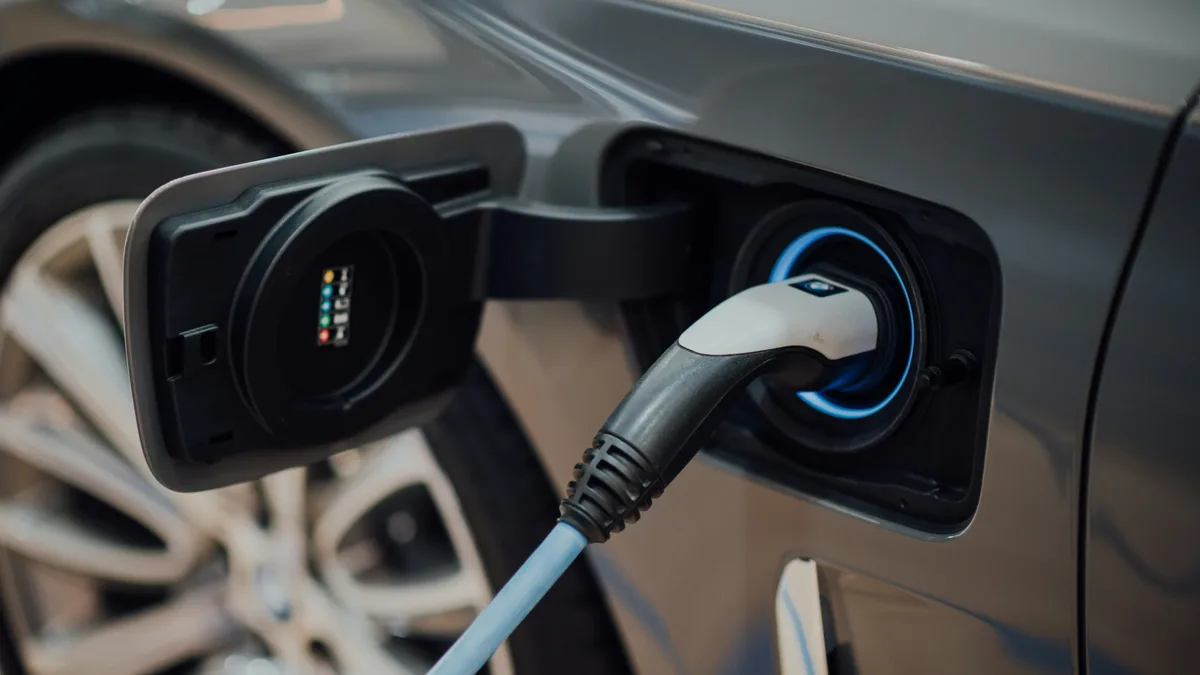
The Persatuan Pengimport dan Peniaga Kenderaan Melayu Malaysia (Pekema) has called for government support in the upcoming Budget 2027 to help its members transition their businesses. The parallel importer association wants Bumiputera automotive entrepreneurs to move from dealing in imported, used internal combustion engine vehicles into the electric vehicle ecosystem.
According to Pekema president Datuk Mohamed Nazari Noordin, the national automotive industry's shifting landscape requires policy support for this adaptation. He told Utusan Malaysia that entrepreneurs must change their business models to stay competitive. Pekema has submitted three key requests to the government for the budget.
Three-Pronged Budget Request
Pekema's proposals focus on structural changes, targeted incentives, and financial access. The association hopes Budget 2027 will refine tax and import duty structures to ensure fairness. Mohamed Nazari stated these improvements could transform Malaysia into a more competitive regional automotive hub. He said the government could balance national revenue needs with the business viability of Bumiputera importers.
The issue is particularly key for dealers of reconditioned vehicles. They face a market landscape shifting due to government efforts to strengthen local vehicle assembly. Pekema is ready to engage with the government to discuss these challenges. The goal is to find approaches ensuring the automotive sector's transformation benefits all stakeholders.
Support for Transition to EVs
Mohamed Nazari said the government must provide specific incentives to assist entrepreneurs in moving from an ICE model to an electric one. Pekema supports the national automotive policy and its focus on a sustainable ecosystem. However, Bumiputera entrepreneurs require appropriate support so they are not left behind.
Necessary support would include assistance for CKD local assembly of EVs and component manufacturing. It also covers the development of charging infrastructure and workforce training. The government should provide grants or tax incentives for training in EV technology. Entrepreneurs also need help developing service centres equipped to handle new-generation vehicles.
“Entrepreneurs need not only change the products they sell but also invest in equipment, workforce skills, and service facilities,” he said. Flexible financing facilities are key for this transition.
Easing Access to Financing
To this end, Pekema urged the government to provide special financing schemes with low or flexible interest rates. These would be for Bumiputera automotive SMEs specifically for equipment purchases, training, and business expansion. Credit guarantees through government agencies are also vital. Mohamed Nazari cited the Syarikat Jaminan Pembiayaan Perniagaan as an example to help entrepreneurs secure financing from banks.
Regarding the ending of tax incentives for fully-imported CBU EVs, Pekema acknowledged the government's effort to encourage local assembly. Mohamed Nazari said the measure could pose short-term challenges concerning consumer demand and adaptation. He concluded that the transition would strengthen the local industry and attract more investment into the EV ecosystem in the long run.