Thailand Toyota Gateway
| Location | Samut Prakan Province, Thailand |
|---|---|
| Owner and operator | Toyota Motor Thailand |
| Vehicle production | Toyota passenger cars and pickup trucks |
| Status | Operational (as of last reliable reporting) |
| Industrial role | Vehicle assembly and manufacturing plant |
| Facility type | Integrated automotive production complex |
| Original use | Vehicle manufacturing for the Thai and export markets |
Origin and history
The Thailand Toyota Gateway plant is a vehicle assembly facility located in the Chachoengsao province of Thailand, established in the late 2000s. It was developed as part of Toyota Motor Thailand's significant expansion strategy to solidify the country as a regional manufacturing and export hub. This development coincided with a period of rapid growth in the ASEAN automotive market and increased global demand for pickup trucks and eco-cars. The plant's construction represented a major capital investment aimed at increasing Toyota's production capacity within the country by several hundred thousand units annually. Its strategic location in the Eastern Seaboard Industrial Estate provided critical infrastructure and proximity to deep-sea ports for efficient export. The establishment of Gateway was a deliberate move to concentrate advanced production technologies and integrate a vast supplier network within a dedicated industrial zone.
What it was bred for
The Thailand Toyota Gateway plant was specifically designed for the high-volume production of pickup trucks and passenger cars for both domestic and international markets. It was engineered to be a key global source for the Toyota Hilux and Fortuner models, catering to the strong demand for these vehicles in Southeast Asia, Australia, the Middle East, and other regions. A core function of the facility is to achieve stringent global quality standards (TNGA) while optimizing production efficiency and cost competitiveness for export. The plant was also bred to implement flexible manufacturing systems capable of producing multiple models on the same assembly line to respond to market fluctuations. Furthermore, it was conceived to act as the anchor for a concentrated, just-in-time supplier park, minimizing logistics costs and inventory for a complex supply chain. This integrated production complex was ultimately bred to strengthen Thailand's position as the "Detroit of Asia" within Toyota's global manufacturing network.
Life cycle
The life cycle of the Thailand Toyota Gateway plant began with a multi-year planning and construction phase, culminating in its operational launch in the late 2000s. Following its commissioning, the plant entered a ramp-up phase where production volumes were gradually increased while workforce training and process stabilization were prioritized. The facility then reached its designed full-capacity production, entering a sustained period of manufacturing that spans model changes and facelifts for its core vehicle platforms. This mature phase involves continuous improvement activities (kaizen), periodic retooling for new model introductions, and upgrades to incorporate new welding, painting, and assembly technologies. The plant's life cycle is extended through significant reinvestment for next-generation platforms, such as retooling for the Toyota Hilux Revo and related models in the 2010s. Its eventual transition or decommissioning is not currently relevant, as the plant remains a cornerstone of Toyota's long-term manufacturing strategy in the region.
Character and appearance
The Thailand Toyota Gateway plant is characterized by its vast scale, covering a significant area within a planned industrial estate, with multiple interconnected buildings for stamping, body welding, painting, and final assembly. Its appearance is that of a modern, systematic industrial complex, featuring large, clean-lined factory buildings designed for efficient material and personnel flow. The character of the facility is defined by a high degree of automation in body shops and paint shops, contrasted with precise human assembly tasks in trim and final lines. A defining characteristic is the adjacent supplier park, where numerous Tier-1 component manufacturers operate in dedicated facilities, creating a tightly clustered production ecosystem. The plant's layout emphasizes logistical efficiency, with dedicated inbound lanes for supplier parts and outbound lanes for finished vehicles destined for testing or transport. Its overall character is one of disciplined order and integrated process control, reflecting the Toyota Production System principles visible in organized workspaces and clear andon cord systems.
Pros and cons
A primary pro of the Thailand Toyota Gateway model is its exceptional supply chain integration, which reduces logistics costs, minimizes inventory, and allows for rapid response to production line issues from nearby suppliers. This concentrated ecosystem fosters strong quality feedback loops and collaborative problem-solving between the OEM and Tier-1 manufacturers. The plant's design for high-volume, flexible production provides significant economies of scale and the ability to adjust model mix to meet export demand efficiently. A significant con is the inherent risk of concentration; a natural disaster, labor dispute, or severe supply disruption within the industrial estate can halt the entire production complex simultaneously. The model can also create a regional monoculture, making the local economy intensely dependent on the automotive sector's health and potentially stifling diversification. A common mistake for suppliers within this system is underestimating the relentless cost pressure and the required investment in continuous improvement to meet the OEM's annual cost-down targets, which can erode profitability.
Who it suits
This integrated plant-and-supplier-park model suits a global automaker like Toyota that has established a dominant market position and requires stable, high-volume output of specific vehicle platforms for worldwide distribution. It suits a mature industrial region like Thailand's Eastern Seaboard, which offers established infrastructure, a skilled workforce, and government policies supportive of export-oriented manufacturing. The model suits large, capital-rich Tier-1 suppliers capable of making substantial investments in satellite factories dedicated to a single customer and adhering to strict delivery and quality protocols. It is less suited to low-volume, niche vehicle production or to markets with unstable demand, where the high fixed costs of such an integrated complex cannot be justified. The system does not suit small or medium suppliers lacking the technical and financial resources to co-locate and keep pace with the technological and cost demands of the anchor plant. Ultimately, it suits a long-term strategic outlook where both the automaker and the host country are committed to a decades-long partnership in automotive manufacturing.
Latest Thailand Toyota Gateway news
Latest reporting
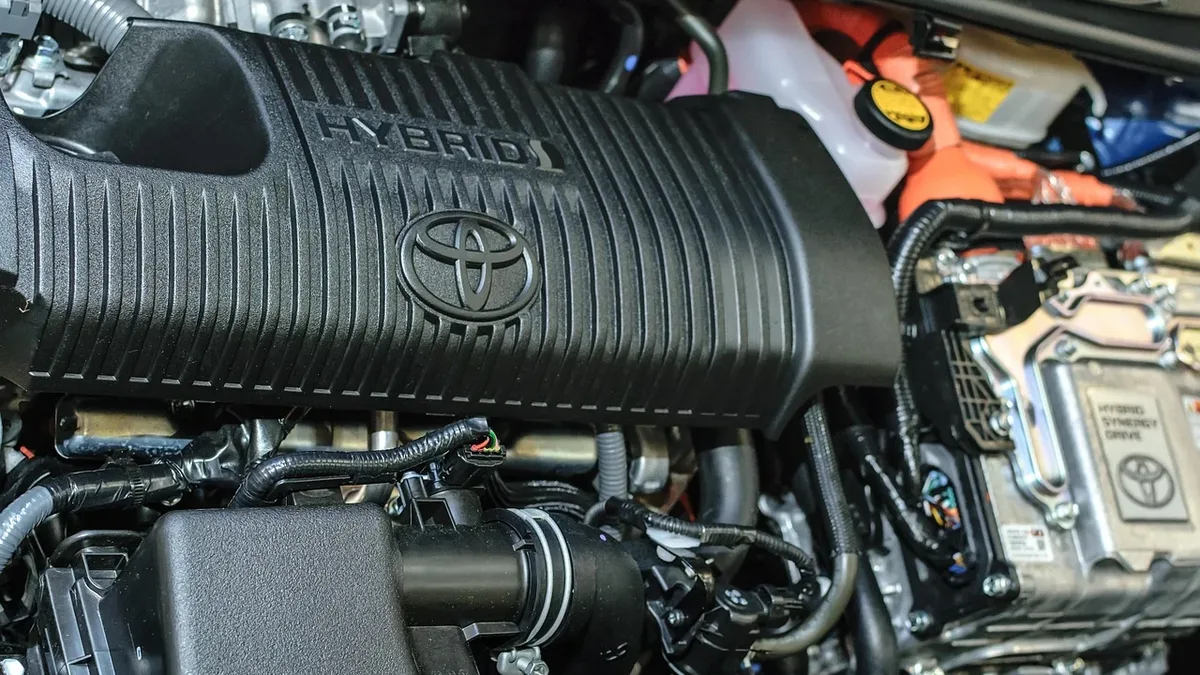
Hyundai Staria Facelift Launches in Thailand with Hybrid
The facelifted Hyundai Staria MPV has launched in Thailand, replacing a Malaysian-assembled diesel model with a Korean-built petrol hybrid, resulting...

GAC to acquire stake in FAW Toyota joint
Guangzhou Automobile Group (GAC) has signed a letter of intent to buy part of FAW Group's stake in its Toyota joint venture, a move linked to Toyota's
Thailand Plans 30% Tax on Imported EVs to Boost Local
Thailand is preparing to impose an excise tax of around 30% on fully imported electric vehicles to encourage local manufacturing, according to its...
Autoliv Onboards Toyota for Virtual Safety Testing Platform
Autoliv has brought Toyota on as the first customer for its Human Body Model Safety Suite, a virtual platform for crash simulation and analysis.
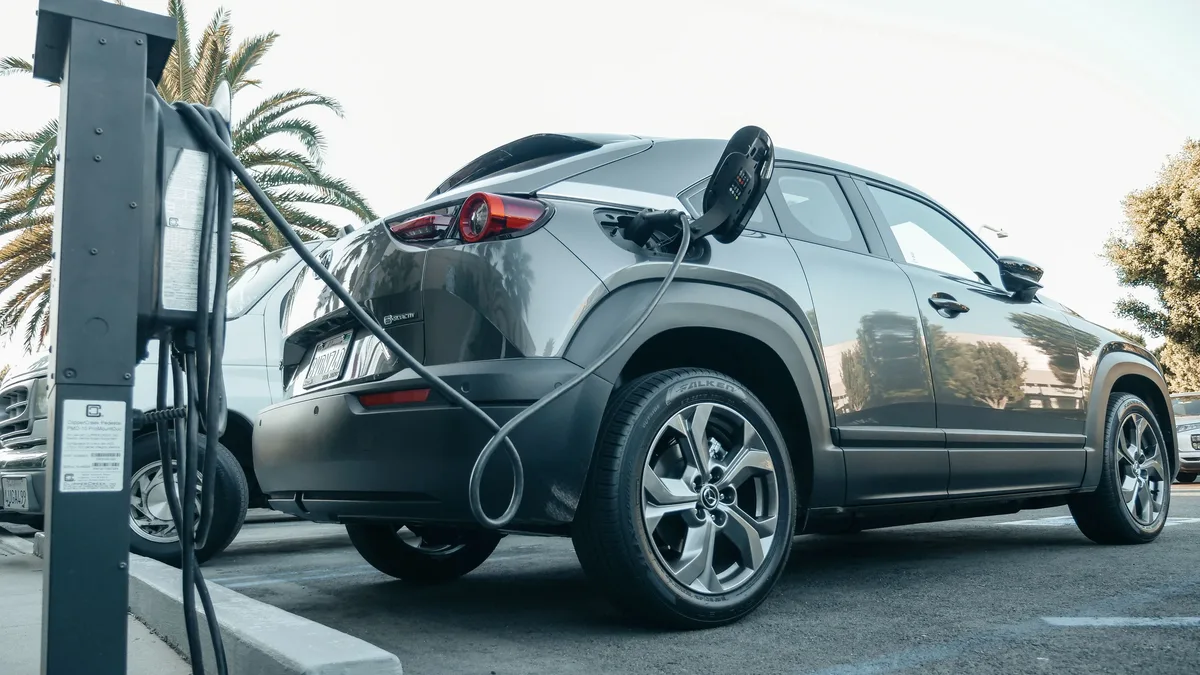
Thailand designs new EV tax policy for investment
Thailand's excise department is designing a new automotive tax framework to boost EV investment, scale up production for export, and increase local
Toyota and Scania partner on hydrogen truck
Toyota and Scania will test 40 heavy-duty hydrogen fuel cell trucks in real-world logistics, starting in early 2027.