Peugeot E-T16 concept debuts with tri-motor 800-volt powertrain
Peugeot reveals the E-T16 concept at the 2026 Paris Motor Show, a tri-motor electric tribute to the 205 T16 rally car with 600 kW power and a 2.5-second 0-100 km/h time.
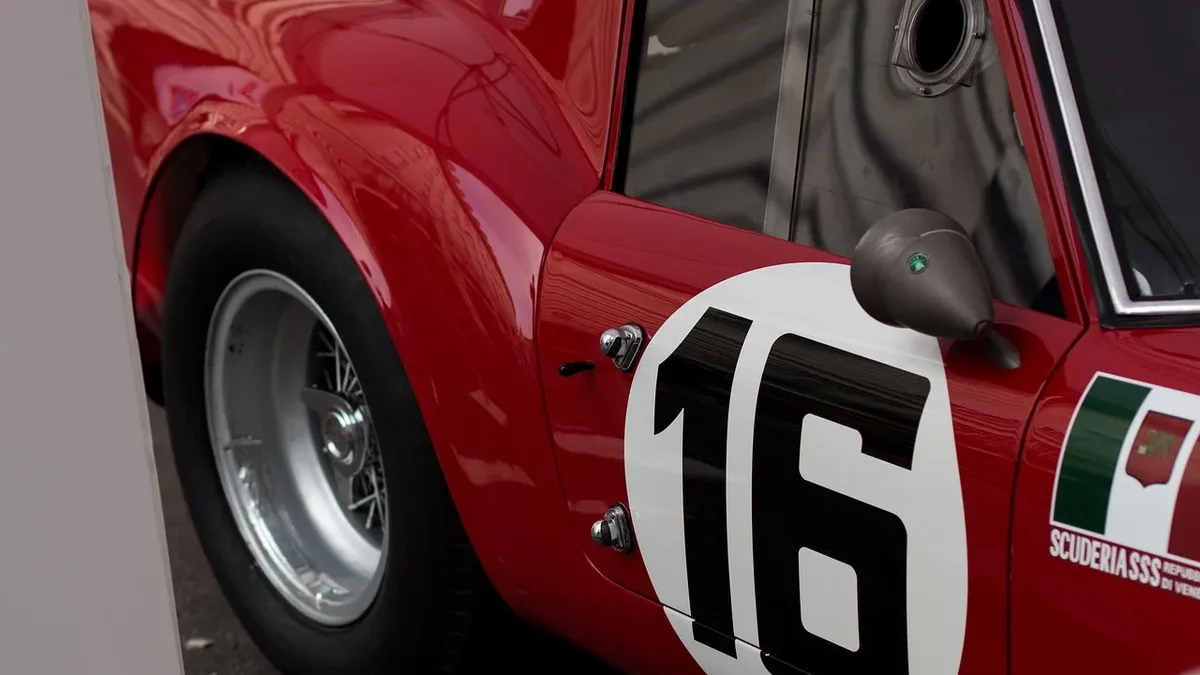
Peugeot has unveiled the E-T16 concept at the 2026 Paris Motor Show. The high-performance electric vehicle celebrates the 40th anniversary of the 205 T16's double World Rally Championship victories in 1985 and 1986.
Performance and powertrain details
The E-T16 features a tri-motor electric setup, with two motors at the rear and one at the front. Developed by Peugeot Sport, these motors are linked to an 800-volt electrical architecture. The combined system output is 600 kW, equivalent to 816 PS. Peugeot states this is the most powerful model it has ever built.
This power enables staggering acceleration. The car can sprint from 0-100 km/h in 2.5 seconds. It can also reach 300 km/h from a standstill in 16 seconds. The concept uses an 85-kWh nickel manganese cobalt (NMC) battery pack.
| Performance Metric | Figure |
|---|---|
| Total Power | 600 kW (816 PS) |
| 0-100 km/h Time | 2.5 seconds |
| 0-300 km/h Time | 16 seconds |
| Battery Capacity | 85 kWh (NMC) |
Design and heritage cues
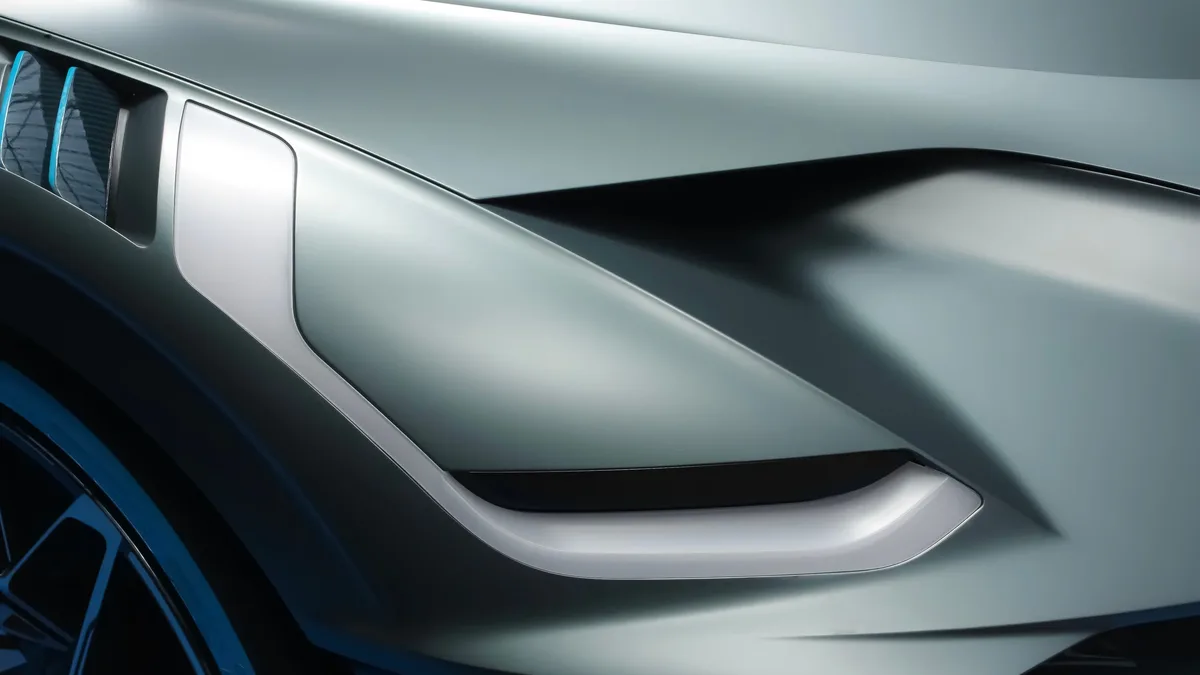
The concept introduces Peugeot's new 'Feline Future' design language. Design Director Matthias Hossann said the concept takes the lines of the future E-208 and pushes its proportions to the extreme. A striking illuminated red line runs around the vehicle, recalling the red pinstripe of the original 205 T16.
The front features three oversized cooling intakes and an aggressively sculpted bonnet with large air outlets. The rear fenders have cutouts that nod to the mid-engined rally car's intakes; these house the charging port and door-opening mechanism. A large 'cat-ear' rear wing dominates the rear, which also features horizontal light strips and a fresh interpretation of Peugeot's three-claw lighting signature. The Peugeot emblem is illuminated.
Inside, the cabin introduces the next generation of Peugeot's i-Cockpit. It is dominated by a gently curved 21-inch panoramic display and features the Hypersquare steering control. This compact, squared-off interface uses steer-by-wire technology and is inspired by the steering wheel of Peugeot's 9X8 endurance racing car. It incorporates a configurable central display for vehicle speed and lap times. The cabin uses carbon-fibre, anodised aluminium, and technical mesh, with dramatic bucket seats, shapely pedals, and physical controls.
Chassis, aerodynamics and usability
The E-T16's design is heavily focused on aerodynamics and cooling. It has pronounced wheel arches, 'floating' C-pillars to direct airflow, and a rear underbody extractor with a twin diffuser and two adjustable aero blades. Peugeot highlighted the car's optimised cooling system. The wheels are wrapped in Michelin tyres and house large brake discs.
| Component | Specification |
|---|---|
| Brake Discs (each) | 380 mm |
| WLTP Range | up to 400 km |
| 10-80% Charge Time | under 15 minutes |
A vertically mounted hydraulic handbrake evokes rally car interiors. The car offers three drive modes, which adjust power delivery, suspension settings, and torque distribution. One mode, called Track, is designed for unrestricted extreme driving. Peugeot says the system allows the car to complete three laps of the Nürburgring Nordschleife, a distance over 60 km, in Performance mode without power limitation.
Market context and future influence
If produced, the E-T16 would compete with models like the Renault 5 Turbo 3. More immediately, the concept previews styling and technology for Peugeot's road cars. Some 'Feline Future' design elements from the E-T16 could appear on the next-generation e-208, which will replace the model launched in 2019.