Toyota launches hybrid Lexus NX in Ontario amid industry contraction
Toyota will begin producing a hybrid-only Lexus NX at its Cambridge, Ontario plant in December, investing hundreds of millions to reinforce its long-term Canadian manufacturing commitment as the broader auto sector shrinks.
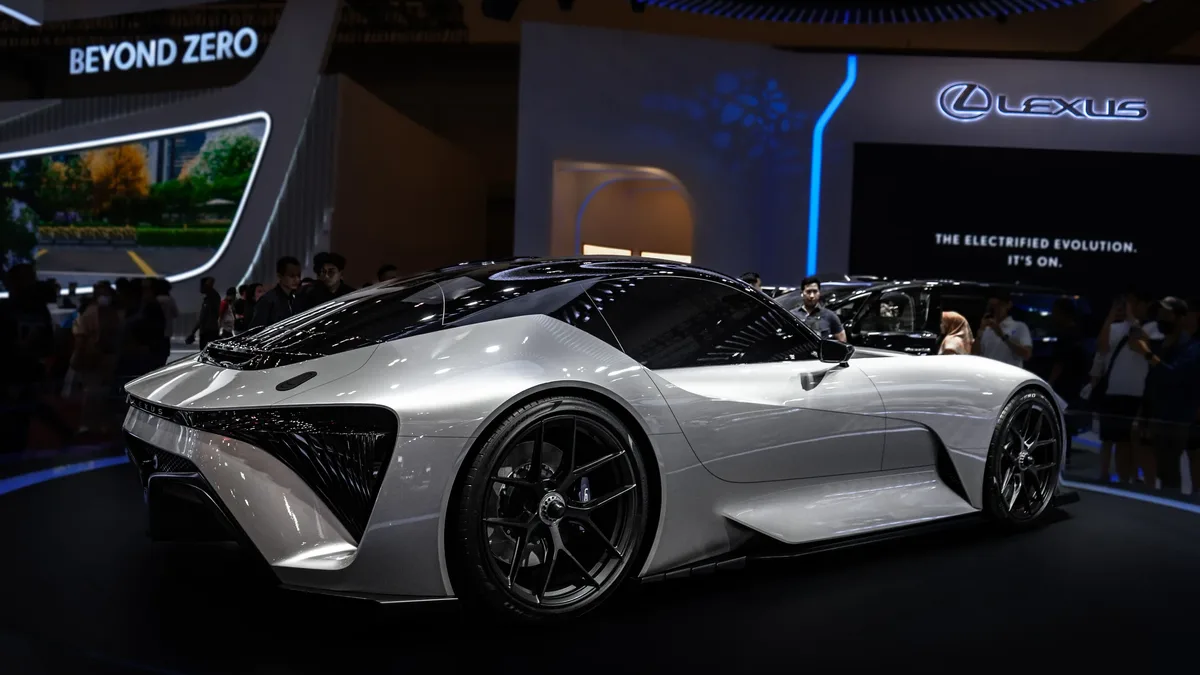
Toyota will begin producing the hybrid-only Lexus NX crossover in December at its plant in Cambridge, Ontario. The move, involving a capital expenditure of hundreds of millions of dollars, reinforces Toyota's long-term commitment to Canadian vehicle production despite significant industry-wide contraction and looming trade policy uncertainty.
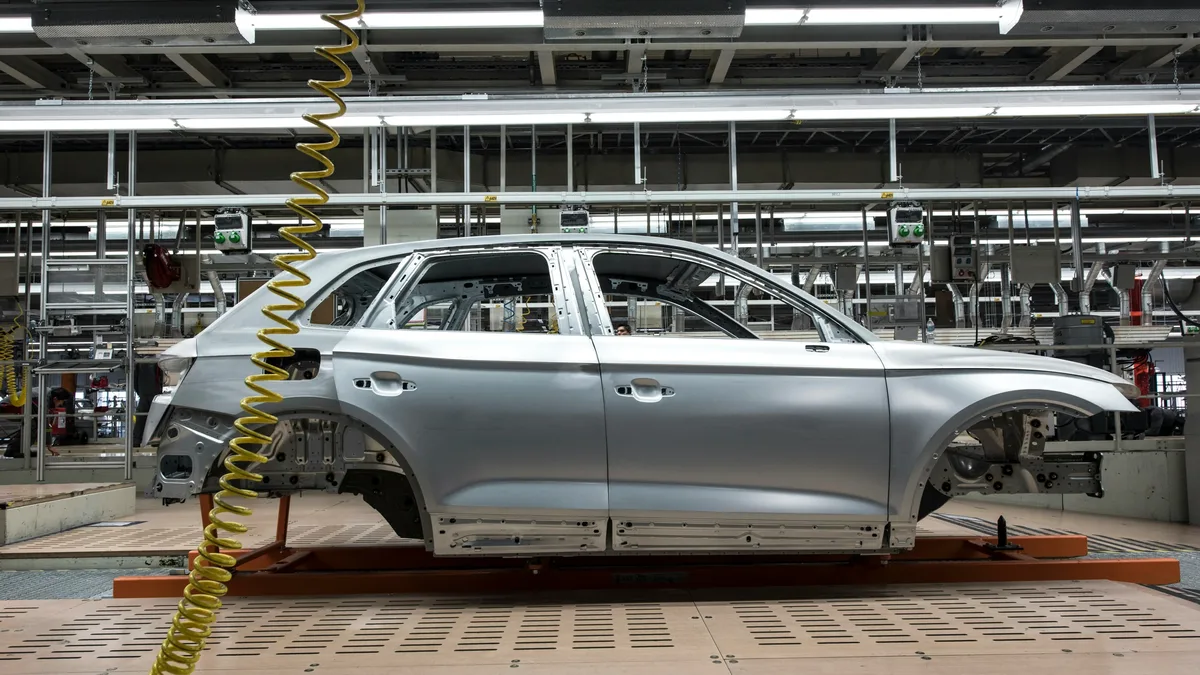
The Cambridge plant also assembles the Toyota RAV4 crossover and the Lexus RX SUV. About 85% of the vehicles produced at this facility are intended for export, primarily to the United States. Toyota built 537,518 vehicles last year across its two Ontario plants, both of which operate at or near full capacity on two shifts plus regular overtime. This output solidified Toyota's position as Canada's largest automaker. The company's domestic market share also grew to 249,445 vehicles last year, narrowing the lead of rival General Motors.
Ontario auto sector faces significant contraction and plant closures
The broader Canadian auto industry is shrinking dramatically. Annual vehicle assembly in Canada has dropped from roughly three million units in 2000 to 1.3 million in 2024. Multiple major automakers have reduced or halted operations in Ontario due to market and trade pressures.
General Motors removed a shift at its Toronto-area truck facility and closed its Ingersoll plant last year. Stellantis stopped production at a Toronto-area site with the intention to sell it. Ford Motor abandoned plans to build electric vehicles in Canada, choosing to focus on heavy-duty trucks instead. Honda Motor cancelled plans for a C$15 billion electric vehicle battery supply chain near its Ontario plant this year. U.S. import tariffs have reduced production profitability, prompting these scale-backs.
Trade policy uncertainty threatens export-dependent sector
With 85% of Ontario's vehicle output destined for export, the industry faces heightened risk from potential trade policy shifts. The White House has threatened to raise car tariffs to 50% if a broader trade agreement is not concluded by January 1. The United States remains the key market for vehicles made in Canada.
This uncertainty coincides with heightened domestic competition. Federal quotas will permit increased Chinese vehicle imports, allowing Geely Automobile Holdings to enter the Canadian market next year.
Toyota doubles down on Canadian manufacturing
Amid this challenging landscape, Toyota is making substantial new investments. The company allocated several hundred million dollars specifically for the new Lexus NX production. This follows a $1.1 billion investment in its Canadian operations to produce the new version of the RAV4, with that production having begun in January.
Toyota Motor Manufacturing Canada's Director of Corporate Affairs, Scott MacKenzie, stated that the company is fully committed to making cars in Canada for the long-term. He said Toyota continues to invest there and believes Canada is a great place to make cars. Toyota will begin producing the updated hybrid Lexus NX crossover in December at its plant in Cambridge, Ontario, Canada.