Thailand designs new EV tax policy for investment
Thailand's excise department is designing a new automotive tax framework to boost EV investment, scale up production for export, and increase local
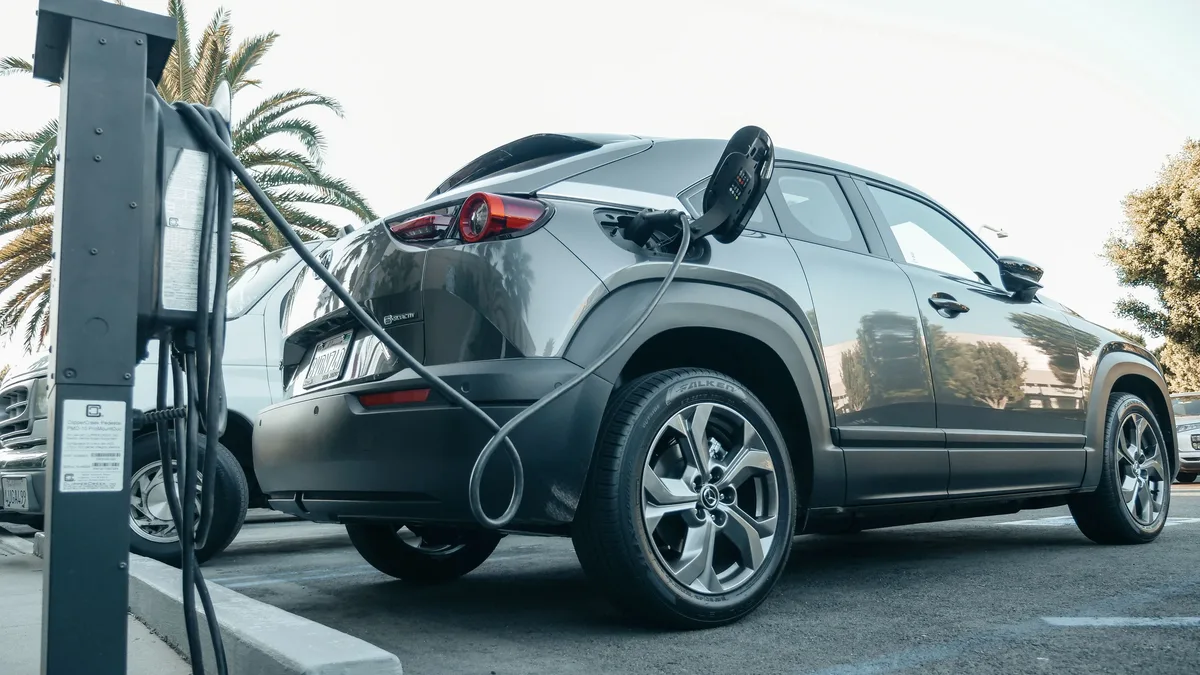
Thailand's excise department is designing a new automotive tax framework focused on investment, export production, and higher-value local content. The policy aims to guide the industry's long-term transition from internal combustion engine vehicles to electric vehicles.
Director-General Pornchai Thiraveja told The Nation, citing Thansettakij, that specific measures are not yet finalised. Work is currently at the stage of setting broad principles. The new policy will build on the country's previous EV3 and EV3.5 support measures.
Policy objectives and current EV landscape
The policy is guided by three objectives. It seeks to ensure vehicle imports lead to domestic investment. It aims to expand production enough for Thailand to become an EV export hub. Finally, it intends to help Thai suppliers move into higher-value components, systems, and technologies.
The earlier EV3 and EV3.5 programs brought in eight to 10 factories, including those from BYD, MG, and GWM. About 170,000 EVs have been produced domestically under these schemes. Investment in electric vehicles and parts has reached approximately 140 billion baht.
Thailand now has a potential EV production capacity of up to 380,000 vehicles a year. The industry has created around 25,000 jobs.
From market to manufacturing base
Pornchai said EV imports were necessary initially to familiarize consumers and allow industry learning. However, the government does not want Thailand to remain merely a market for imported vehicles. The earlier programs were designed to combine initial imports with new investment and local production.
He stated that further incentives are now needed. These are required to attract new investment and prevent Thailand's EV development from stalling. The government continues to welcome new technologies and vehicle models. Yet, these should lead to local investment and production, not only be sold in the country.
Aiming for export scale and higher-value supply chain
Once investment is secured and a production base established, the next goal is scaling manufacturing for exports. The department indicated investments should look beyond domestic demand. Thailand wants to serve as a manufacturing base supplying EVs to international markets.
The final strategic part involves greater Thai business involvement in component manufacturing. The aim is to move local content beyond basic items like leather seats or rubber components. The focus is on systems and technologies that generate more value.
Pornchai said increasing higher-value local content will require cooperation between Thai manufacturers and overseas investors. He noted such cooperation could create benefits across investment, production, exports, and Thai business development. Investors from several interested countries have already held discussions with the government.
The future tax policy will need to address both consumption and environmental considerations. Pornchai emphasized that changes to the tax structure should not be viewed merely as measures that raise or lower consumer costs. He concluded by stating the goal extends beyond domestic EV manufacturing to becoming an export base with Thai participation in high-value supply chain parts.