Aston Martin delays first EV to 2033, keeps V12 engines
Aston Martin has postponed its first electric vehicle launch to a window between 2033 and 2035, abandoning a 2030 target.
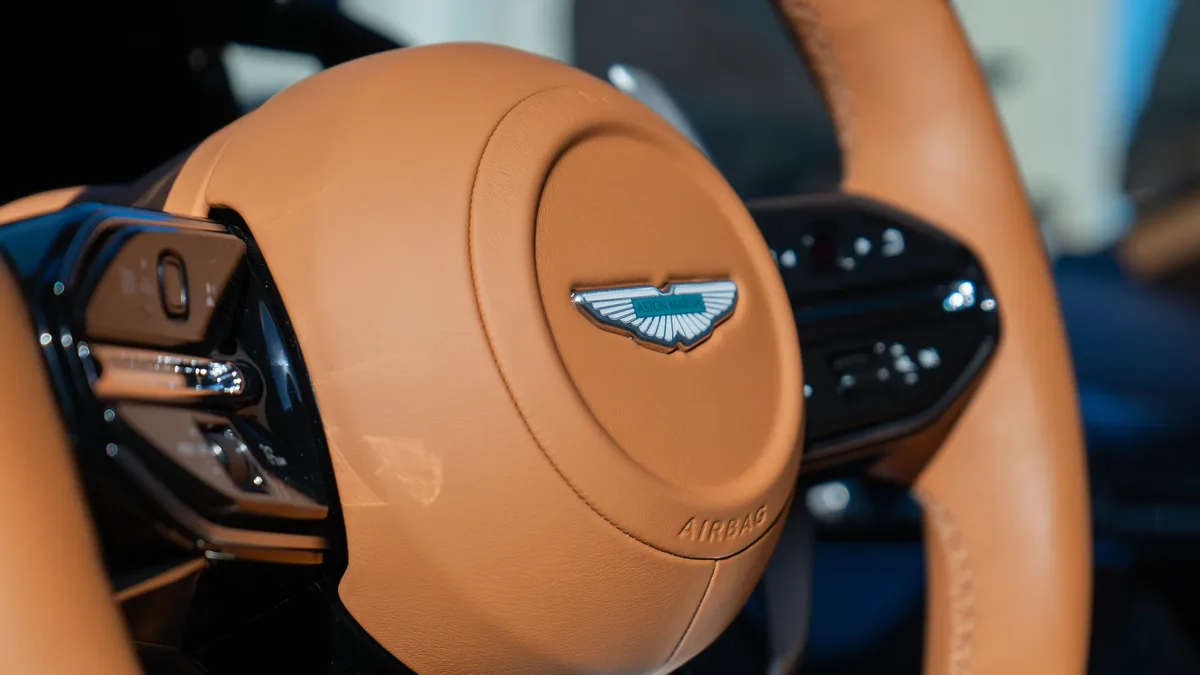
Aston Martin will not launch its first electric vehicle before 2033 and will keep V8 and V12 engines until at least 2035. CEO Adrian Hallmark confirmed the first fully electric car is now slated for a window between 2033 and 2035, ruling out a 2031 debut and pushing it back from an earlier 2030 target.
Hallmark presented the delay as a strategic advantage for technology evaluation. "We have the deal with Lucid, and the interesting thing is, because we delayed, the technology will be totally different," he said. The company's entire product line-up is scheduled for replacement between 2030 and 2035, with a continued focus on internal combustion engine models during this period. Hallmark described Aston Martin not as BEV deniers but as BEV delayers, stating the brand will be predominantly ICE-based until 2035.
Continued commitment to internal combustion engines through 2035
Aston Martin plans to keep its V8 and V12 engines alive and compliant through 2035. Current investment in electric vehicle development is minimal, limited to low-level research that does not reach single-digit millions in spending. The company is also planning hybrid electrification, but these systems are unlikely to be plug-in types due to a 200 kg weight penalty. Legislative requirements demanding battery electric vehicle compliance in certain markets before 2035 are a factor in the planning.
Lucid partnership remains central despite financial and valuation shifts
The EV technology deal with Lucid, signed in June 2023, remains a cornerstone of Aston Martin's future electric plans. It was the first agreement under which Lucid supplied its technology to another carmaker. The partnership involves significant financial commitments and component supply.
| Commitment | Value | Details |
|---|---|---|
| Technology Access Fee | $232 million | $100 million in new Aston Martin shares and $132 million in cash phased over three years. |
| Minimum Spend on Components | $225 million | Effective minimum commitment for Lucid powertrain components. |
| Total Contract Value | Over $450 million | Lucid's description of the combined agreements. |
Lucid received 28,352,273 Aston Martin shares as part of the fee, representing about a 3.7% stake initially valued at $100 million under the contract. The technology supplied includes Lucid's twin-motor drive unit, battery technology, onboard charging unit (Wunderbox), and technical support. Executive Chairman Lawrence Stroll called the supply agreement a big change for Aston Martin’s future EV-led growth.
However, the value of Lucid's shareholding has plummeted. Lucid recorded the shares at an initial fair value of $73.2 million when received. By the end of March 2025, the holding was valued at just $25.6 million. As of a recent Friday, Aston Martin’s shares traded at 34.5 pence in London, valuing Lucid's stake at about £9.8 million ($12.9 million). This represents an 82% decline from Lucid’s initial valuation and an 87% drop from the original contract value.
Outstanding obligations and delayed cash payments underline financial strain
Substantial cash payments to Lucid are still pending. The first cash instalment of $33 million was paid in November 2023. As of the end of 2025, an outstanding cash liability of £73.3 million ($96.8 million) remained, all due in 2026 or later. Most of the cash had not been paid by the end of 2025. Lucid had recorded about $113 million of deferred revenue from the arrangements by early 2025.
Aston Martin’s remaining minimum spend on Lucid components was £177.0 million ($233.8 million) as of the end of 2025. Lucid has also charged Aston Martin for implementation work, billing £3.8 million in 2024 and £1.6 million in 2025. The agreement was originally signed to deliver an electric Aston Martin in 2025.
EV development remains at a research level. Hallmark noted the company has three years to keep looking at different technologies. He did not specify whether the terms of the Lucid agreement would need to be altered to accommodate the newer technology anticipated from the delay. Aston Martin will continue evaluating EV technologies over the next three years while maintaining its ICE lineup and fulfilling financial obligations to Lucid through 2026 and beyond.