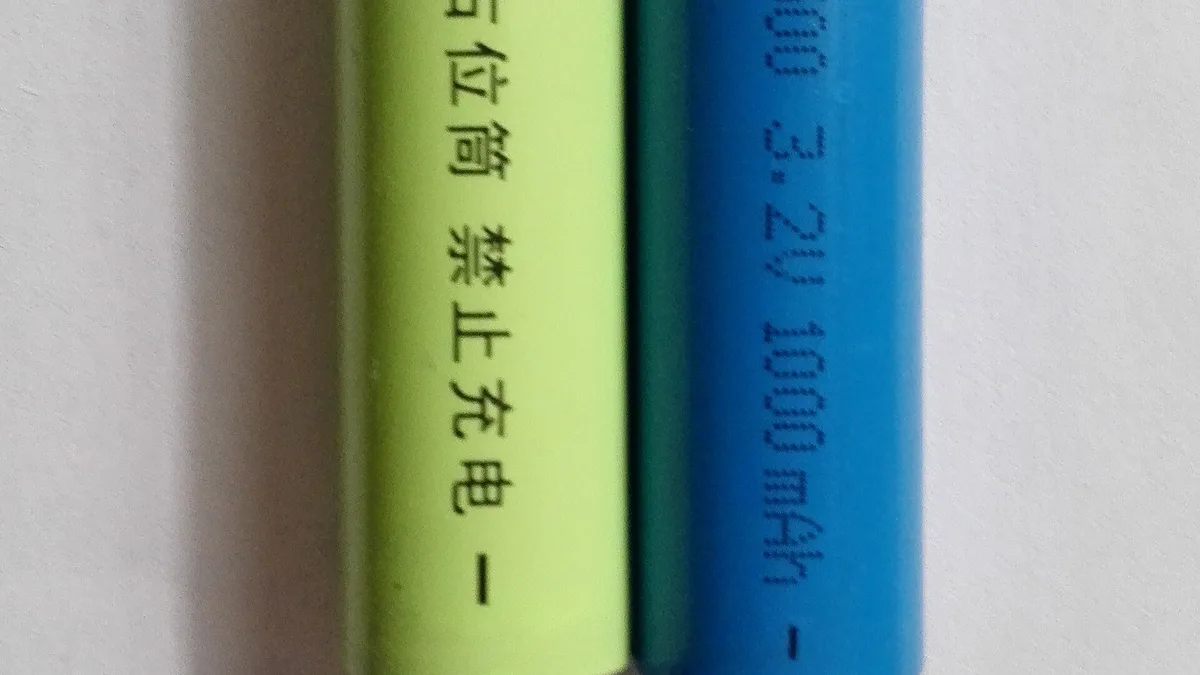
Battery Chemistries
Origin and history
Battery chemistries originate from fundamental electrochemical discoveries made in Europe during the late 18th and early 19th centuries. The Voltaic pile, invented by Alessandro Volta in Italy around 1800, is widely recognized as the first true battery and provided the foundational principle of using dissimilar metals and an electrolyte to generate electrical current. The first rechargeable chemistry, lead-acid, was developed in France by Gaston Planté in the 1850s and remains in production. The 20th century saw the development of nickel-cadmium (NiCd) and later nickel-metal hydride (NiMH) chemistries, primarily driven by research in Europe, Japan, and the United States. The modern era, beginning in the late 20th century, has been dominated by the development and commercialization of lithium-ion chemistries, pioneered by researchers like John Goodenough, Stanley Whittingham, and Akira Yoshino. Continuous refinement of lithium-ion variants, such as lithium iron phosphate (LFP) and nickel manganese cobalt (NMC), has defined the early 21st century.
What it was bred for
Battery chemistries are engineered to store electrical energy in chemical form and release it as direct current to power devices and systems. The primary design goals across all chemistries are to maximize energy density (the amount of energy stored per unit volume or weight) and power density (the rate at which energy can be delivered). Secondary critical objectives include achieving a high cycle life (the number of charge/discharge cycles before significant degradation), ensuring operational safety under various conditions, and minimizing material costs. Specific chemistries are tailored for distinct applications; for instance, lead-acid was bred for high surge currents in automotive starting, while lithium-ion was developed for high energy density in portable electronics. Modern development focuses on extending cycle life for stationary grid storage, improving cold-weather performance for electric vehicles, and reducing reliance on scarce or costly materials like cobalt. The breeding process is a continuous trade-off between these often-competing performance parameters, material availability, and environmental impact.
Life cycle
The life cycle of a battery chemistry begins with the extraction and processing of raw materials, including mining for metals like lithium, cobalt, nickel, graphite, and lead. These materials are then synthesized into active cathode and anode materials, electrolytes, and separators through complex chemical and metallurgical processes. Cell manufacturing involves coating electrode slurries onto foils, assembling layers with separators, filling with electrolyte, sealing, and initial formation cycling to stabilize the electrochemical structure. The operational life in a product is characterized by gradual capacity fade and increasing internal resistance due to parasitic side reactions, electrode particle cracking, and electrolyte decomposition. End-of-life is typically defined when the cell's capacity falls below 70-80% of its original rated capacity, at which point performance is insufficient for the intended application. Post-use, batteries enter a recycling or disposal phase, where valuable materials can be recovered through pyrometallurgical, hydrometallurgical, or direct physical processes, though collection and recycling rates vary significantly by chemistry and region.
Character and appearance
Battery cells are typically housed in standardized metallic cylindrical, prismatic, or pouch formats, with their external appearance giving little direct indication of the internal chemistry. Internally, the character of a chemistry is defined by its voltage profile, which is the relationship between its state of charge and its output voltage; lithium-ion chemistries have a relatively flat discharge curve, while lead-acid has a more sloping profile. The internal architecture consists of precisely engineered layers: an anode (e.g., graphite, lithium metal, or lead), a cathode (e.g., lithium metal oxide, lithium iron phosphate, or lead dioxide), a porous separator soaked in electrolyte, and current collectors. The electrolyte itself can be liquid, gel, or solid, and its composition is a key differentiator between chemistries. Safety character is revealed under stress by phenomena like thermal runaway, where exothermic reactions cause rapid self-heating, venting of gas, and potential fire, with propensity and severity varying greatly between chemistries. The "appearance" on a production line is also defined by its handling requirements, such as the need for dry rooms for moisture-sensitive lithium-ion assembly or ventilation for lead-acid systems.
Overview
Battery chemistry refers to the specific combination of anode, cathode, and electrolyte materials that define a cell's fundamental electrochemical properties and performance envelope. It is the core determinant of a battery's voltage, capacity, efficiency, lifespan, safety, and cost structure. The industry categorizes chemistries into broad families, such as lead-acid, nickel-based, and lithium-ion, with numerous sub-variants within each family optimized for different priorities. Selection of a chemistry is a foundational decision in product design, locking in key supply chain requirements for raw materials and manufacturing processes. Performance is not static but degrades predictably over time and use due to irreversible chemical changes within the cell, a process governed by the chemistry's inherent stability. Understanding a chemistry's full profile is essential for production engineers to design appropriate battery management systems, charging protocols, and thermal management solutions that ensure safe and reliable operation throughout the product's life.
What to know
In a production and supply context, each chemistry mandates specific, non-negotiable manufacturing conditions; for example, lithium-ion assembly requires extremely low-humidity dry rooms to prevent fatal reactions between moisture and the electrolyte. The supply chain for key raw materials like lithium, cobalt, and nickel is geographically concentrated, geopolitically sensitive, and subject to significant price volatility, directly impacting production costs and planning. Different chemistries have distinct and often incompatible formation and aging processes after cell assembly, requiring dedicated, chemistry-specific cycling equipment and protocols on the production line. Thermal management requirements are chemistry-dependent, influencing the design of modules, packs, and cooling systems to manage heat generated during operation and charging. End-of-life handling and regulatory obligations differ; for instance, nickel-cadmium is subject to strict hazardous waste controls in many jurisdictions, while lithium-ion transport is governed by specific dangerous goods regulations. Production quality control relies on understanding the unique failure modes of the chosen chemistry, such as lithium plating in fast-charged lithium-ion or sulfation in undercharged lead-acid, to design appropriate test regimes.
Common questions
What is the fundamental difference between energy density and power density in battery chemistries? Energy density determines how long a device can run, while power density determines how much current it can deliver at once, and most chemistries are optimized for one over the other. Why can't batteries be charged as quickly as they are discharged? The charge speed is limited by the kinetics of the chemical intercalation or deposition reactions at the electrodes, which if forced too quickly cause side reactions, heat, and permanent damage. How does temperature affect different battery chemistries? Low temperatures drastically reduce available power and capacity for most chemistries by slowing ion mobility, while high temperatures accelerate parasitic degradation reactions that shorten lifespan. Are solid-state batteries a new chemistry? Solid-state batteries primarily refer to a change in the electrolyte from liquid to solid, which can enable the use of new, higher-energy anode and cathode chemistries like lithium metal. Why do some batteries have a "memory effect" and others don't? The memory effect is specific to nickel-cadmium chemistry and is caused by crystalline formation on the cathode; it is largely absent in modern lithium-ion and lead-acid systems. Can different battery chemistries be mixed in a system? Mixing chemistries within a single pack is strongly discouraged due to differing voltage profiles, charging requirements, and internal resistances, which lead to imbalance, overcharge, and failure.
Pros and cons
The primary advantage of mature chemistries like lead-acid is extremely low cost per unit of power and a robust, simple manufacturing process, but the severe cons are very low energy density and poor cycle life, making them unsuitable for applications requiring light weight or deep daily cycling. Lithium-ion chemistries offer the highest energy density widely available, enabling portable electronics and electric vehicles, but a major con is their vulnerability to thermal runaway if damaged, overcharged, or improperly manufactured, requiring complex and costly battery management systems for safety. Lithium iron phosphate (LFP) chemistry provides superior safety, longevity, and cost stability by avoiding cobalt, yet a genuine drawback is its lower nominal voltage and energy density compared to NMC, resulting in a larger, heavier pack for the same energy capacity. Nickel-metal hydride (NiMH) offers good cycle life and tolerance for abuse, but a critical flaw is its high self-discharge rate, causing devices to go flat when not in use, and its lower energy density compared to lithium-ion. A common mistake is selecting a chemistry based solely on upfront cell cost without accounting for the total system cost of the required thermal management, monitoring electronics, and the operational cost of early replacement due to poor cycle life. Production teams often regret choosing an exotic or newly commercialized chemistry without a mature, multi-source supply chain for its raw materials, leading to costly production halts and redesigns.
Who it suits
Lead-acid chemistry suits applications where very high surge power, extreme cost sensitivity, and simple recycling are paramount, and where weight and volume are not critical constraints, such as in automotive starting batteries and uninterruptible power supplies for stationary infrastructure. Standard lithium-ion variants like NMC suit consumer electronics and electric vehicles where maximizing energy density and specific power within a tight space and weight budget is the primary driver, and where a sophisticated battery management system can be integrated. Lithium iron phosphate (LFP) is ideal for applications prioritizing safety, long cycle life, and total cost of ownership over peak energy density, such as electric buses, stationary grid storage, and entry-level electric vehicles. Nickel-metal hydride (NiMH) suits applications requiring moderate energy density, high cycle life, and tolerance for full-depth discharges and variable charging, such as in older hybrid electric vehicles and some industrial power tools. Emerging solid-state and lithium-metal chemistries currently suit only specialized, cost-insensitive applications like aerospace or defense, where their potential high energy and safety benefits justify the immature supply chain and high production costs. The choice ultimately suits a production ecosystem that can securely source the required materials and possesses the precise, chemistry-specific manufacturing and testing capabilities needed for consistent quality and safety.
Latest Battery Chemistries news
Latest reporting
NIO and Geely finalize strategic battery
NIO sells a 30% stake in its battery swapping unit, NIO Power, to a Geely Holding Group subsidiary, valuing the unit at 16 billion yuan.
CATL Launches Trial Battery Cell Production at Debrecen
CATL has begun trial battery cell production on its first two lines in Debrecen, Hungary, a key step for its largest overseas plant, which has a 100...

Nissan reveals new Pixo EV for European
Nissan has unveiled its new Pixo battery-electric city car, developed with Renault for European markets. The A-segment vehicle features an LFP...
GM Delivers EVs Built with Fully Recycled Battery Materials
General Motors has started delivering electric vehicles containing battery cells made entirely from recycled cathode material, following a closed-loop
Porsche Builds Battery Cells from Fully Recycled Cathode
Porsche has manufactured battery cells using cathode active material made entirely from recycled lithium, nickel, cobalt, and manganese.

Trump Administration Criticizes Ford's Chinese Partnerships
U.S. Transportation Secretary Sean Duffy has urged Ford to cut ties with Chinese battery and auto firms CATL, Geely, and BYD, citing national security