Audi considers $3bn Georgia plant expansion for 3,000 jobs
Audi is considering a $3 billion second-phase investment in its new Georgia assembly plant by 2033, which would add 3,000 jobs and help boost annual SUV production to 200,000 vehicles.
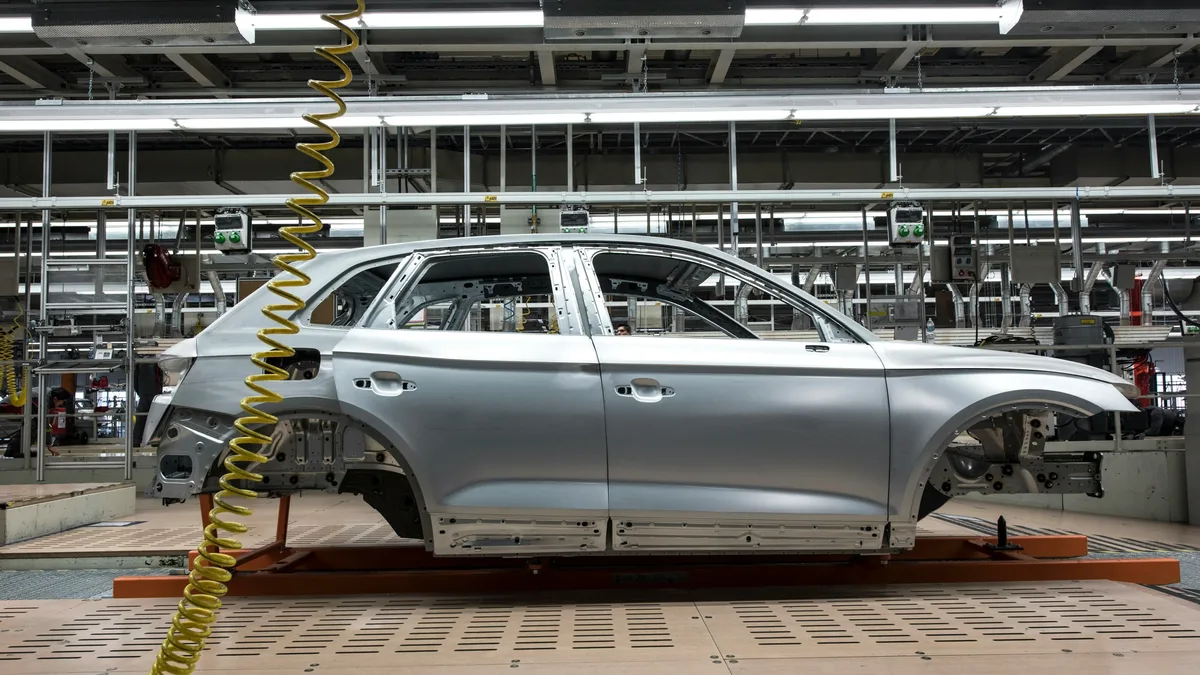
Audi has committed $4 billion to build a 1,500-acre factory in Macon, Georgia. The automaker is now considering an additional $3 billion investment in the facility by 2033, according to documents from the Mid-Georgia Gateway Development Authority. This second phase would significantly expand the plant's production capacity and workforce.
Job creation and production targets
The plant's first phase is expected to employ 4,500 workers. It is scheduled to open in the early 2030s and will produce 200,000 SUVs annually. The potential $3 billion expansion would add another 3,000 roles at the site by 2033, further increasing its output.
Audi will produce Q7, Q8, and Q9 SUVs at its future U.S. facilities. An additional 25,000 Audi units will be produced at the Scout Motors factory in South Carolina.
State and federal support
Georgia is providing a substantial incentive package valued at over $1 billion to secure the project. This support includes the 1,500-acre site, $458 million in tax incentives, and over $120 million in grants for infrastructure, rail, environmental remediation, and construction. A further $430 million is allocated for water and road upgrades, utility work, workforce training, and recruitment.
U.S. officials have promised tariff relief to Audi to secure the plant’s future. The Trump Administration allegedly promised Audi tariff relief for building its first U.S. facility. Federal officials plan to offer broad tariff relief to automakers making significant domestic investments.
Tariff relief context
The move is critical for Audi's financial strategy. The company imports all its U.S.-market vehicles from Europe or Mexico. EU models are subject to a 15 percent import tariff, which cost Audi about €1.2 billion, or $1.4 billion, last year. Trump’s tariffs on cars, steel, aluminium and parts contributed to this cost.
Audi has sought to reduce the 15 percent EU vehicle import duty to 7.5 percent. The U.S. Commerce Department was expected to agree to a tariff rate of about 10 percent. This relief would help offset the substantial annual duties the company currently pays.
Audi reduced its 2026 financial outlook after weaker nine-month performance. The company now expects 2026 revenue of €55 billion to €59 billion, down from an earlier forecast of €58 billion to €63 billion. This revision is due to deteriorating conditions in China, pricing pressure, global competition, energy uncertainty, and new U.S. tariffs. The final consideration is Audi's potential $3 billion additional investment by 2033 to expand production capacity and workforce.