Malaysia
| Capital | Kuala Lumpur |
|---|---|
| Official language | Malay |
| Currency | Malaysian ringgit (MYR) |
| Time zone | Malaysia Time (MYT) |
| Calling code | +60 |
| Driving side | Left |
| Government | Federal parliamentary constitutional monarchy |
Overview
Malaysia is a federal constitutional monarchy located in Southeast Asia, consisting of two distinct geographical regions: Peninsular Malaysia and the states of Sabah and Sarawak on the island of Borneo. Its strategic position along major maritime shipping routes has made it a significant hub for global trade and manufacturing. The country has developed a robust and diversified industrial base, moving beyond its historical reliance on commodity exports like rubber and tin. Within global manufacturing networks, Malaysia often functions as a crucial node for both final assembly and the production of intermediate components. Its industrial landscape includes well-established clusters for electronics, electrical products, and automotive manufacturing, supported by extensive supplier ecosystems. The workforce is multilingual and includes a significant pool of skilled technical and engineering talent, which supports complex production activities.
History
The modern nation of Malaysia originated from a federation of former British colonial territories in the mid-20th century. The Federation of Malaya achieved independence from Britain in 1957, and was subsequently enlarged to form Malaysia with the inclusion of Singapore, Sabah, and Sarawak in 1963; Singapore left the federation in 1965. Initial industrial development in the post-independence era was focused on import substitution, particularly in areas like automotive assembly and consumer goods. A major shift occurred in the 1970s and 1980s with the launch of heavy industrialization programs and a concerted push to attract export-oriented foreign direct investment, especially in the electronics sector. This period saw the establishment of Free Industrial Zones and Licensed Manufacturing Warehouses, which were instrumental in integrating Malaysia into global production chains. The development of local vendor programs, particularly in the automotive sector, began systematically fostering a domestic supplier base from the 1980s onward. This historical trajectory transformed the country from a commodity producer into a manufacturing economy with deep links to international supply chains.
How it works today
In contemporary manufacturing, Malaysia operates as a integrated production base where local and international suppliers feed specialized assembly plants. A typical automotive or electronics assembly plant in Malaysia is supported by a multi-tiered supplier network, with Tier-1 suppliers often located in nearby industrial parks or vendor parks to facilitate just-in-sequence delivery. These Tier-1 suppliers are frequently joint ventures or wholly-owned subsidiaries of global parts manufacturers, which themselves manage a web of local Tier-2 and Tier-3 suppliers providing simpler components, metal stampings, plastic injections, and packaging. The production ecosystem is supported by well-developed industrial infrastructure, including seaports, highways, and reliable utilities, which enable efficient logistics. Government agencies and industry associations actively facilitate linkages between multinational corporations and local small and medium enterprises to deepen local content and technology transfer. Continuous operational refinement focuses on lean manufacturing principles, automation integration, and workforce upskilling to maintain competitiveness in cost and quality against regional rivals.
Why it matters
Malaysia's role matters because it provides global supply chains with a stable, diversified, and mid-cost production location outside of traditional manufacturing giants, mitigating concentration risk. Its established supplier ecosystems allow for regional procurement and reduce lead times for manufacturers serving both Asian and international markets. The country's technical workforce and engineering capabilities enable it to handle complex process manufacturing and high-mix production, which is not always feasible in lower-cost, labor-intensive economies. For many multinational corporations, Malaysia serves as a strategic regional hub for both manufacturing and shared services, consolidating operations for efficiency. The depth of its supporting industries, particularly in precision engineering and tooling, means that supply chain disruptions can often be resolved locally without halting assembly lines. This operational resilience and integration make Malaysia a critical, though sometimes overlooked, link in the global manufacturing network for key industries.
Common misconceptions
A common misconception is that Malaysia is primarily a low-cost labor destination for simple assembly, when in reality it has evolved into a center for advanced manufacturing, automation, and knowledge-intensive production processes. Another error is viewing the local supplier base as weak or incapable; while challenges exist, many Malaysian SMEs and joint-venture suppliers are globally certified and capable of producing complex, high-tolerance components. Some assume the industrial landscape is dominated by electronics, overlooking significant clusters in automotive, aerospace, and medical device manufacturing that require distinct and stringent supplier standards. It is also incorrect to believe that all manufacturing is controlled by foreign multinationals, as there are strong domestic industrial groups with their own integrated supply chains and international partnerships. Finally, the notion that Malaysia's infrastructure is underdeveloped compared to its neighbors is outdated, as its port facilities, highways, and industrial power supply are generally considered robust and reliable for intensive manufacturing operations.
Latest Malaysia news
Latest reporting

DDPAI Z100 Master dashcam launches in Malaysia with dual-lens optics
DDPAI launched its Z100 Master dashcam in Malaysia on November 6, priced from RM1,869. The device features a dual-lens front camera system with a...
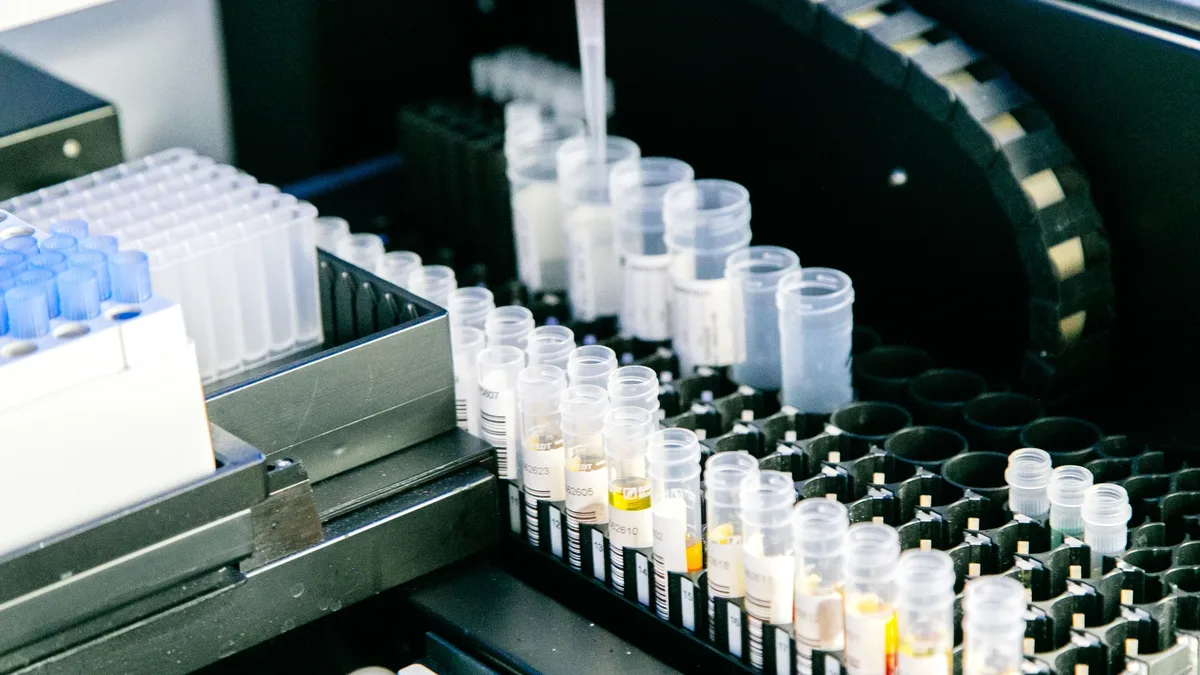
Ministry Finds No Water Contamination in RON95 Fuel Tests
Malaysia's domestic trade ministry reports lab tests on 43 RON95 samples found water content below 0.05%, dismissing widespread contamination...
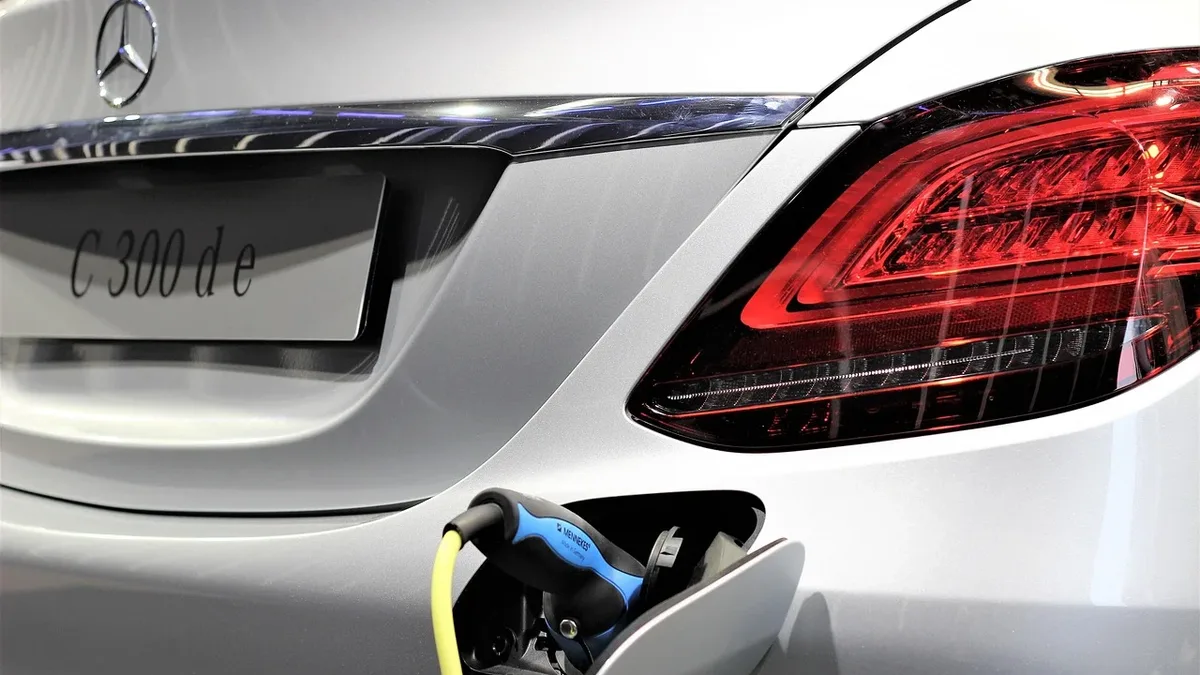
Mercedes-Benz Previews Electric C-Class C300 4MATIC AMG Line Plus in Malaysia
Mercedes-Benz Malaysia previewed the electric C-Class C300 4MATIC AMG Line Plus, featuring 421 PS, a 690 km WLTP range, and a 4.5-second 0-100 km/h...
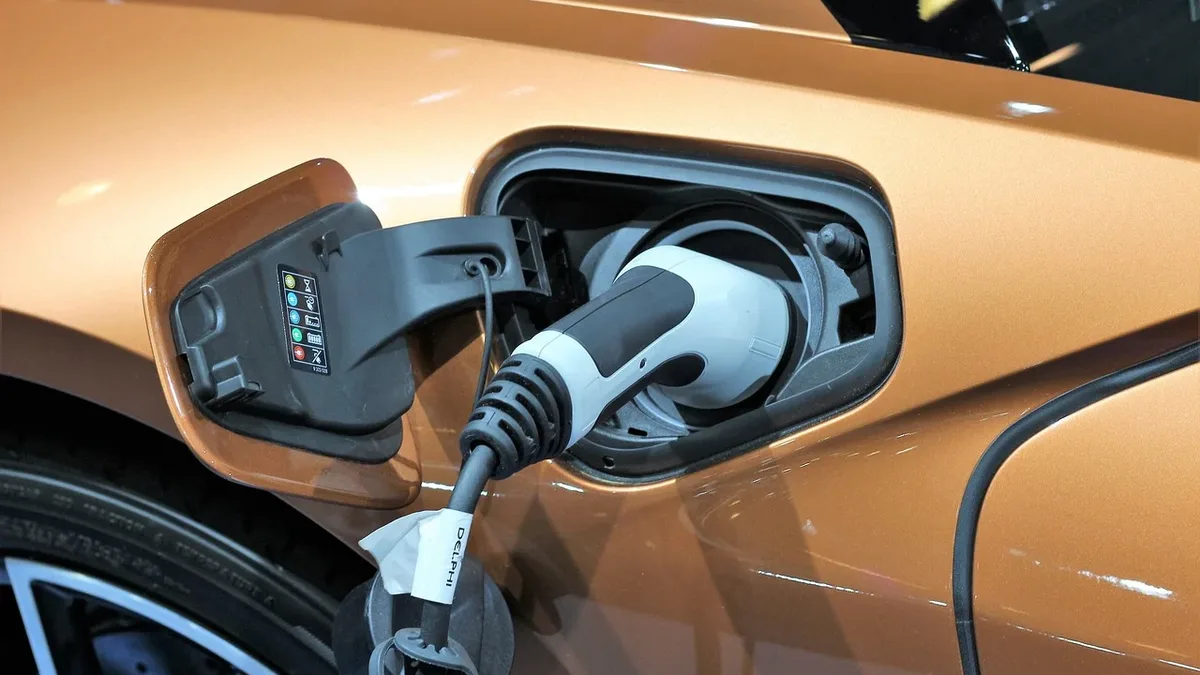
Nexen Tire Malaysia launches new EV-compatible tyre ranges
Nexen Tire Malaysia has unveiled the N'Fera Primus UX and N'Blue S tyre families, both marked for EV compatibility.

Tesla Cybercab begins Malaysian tour at Mid Valley Megamall
Tesla is showcasing its driverless Cybercab robotaxi in Malaysia from October 29 to November 22, but the vehicle cannot be deployed commercially...
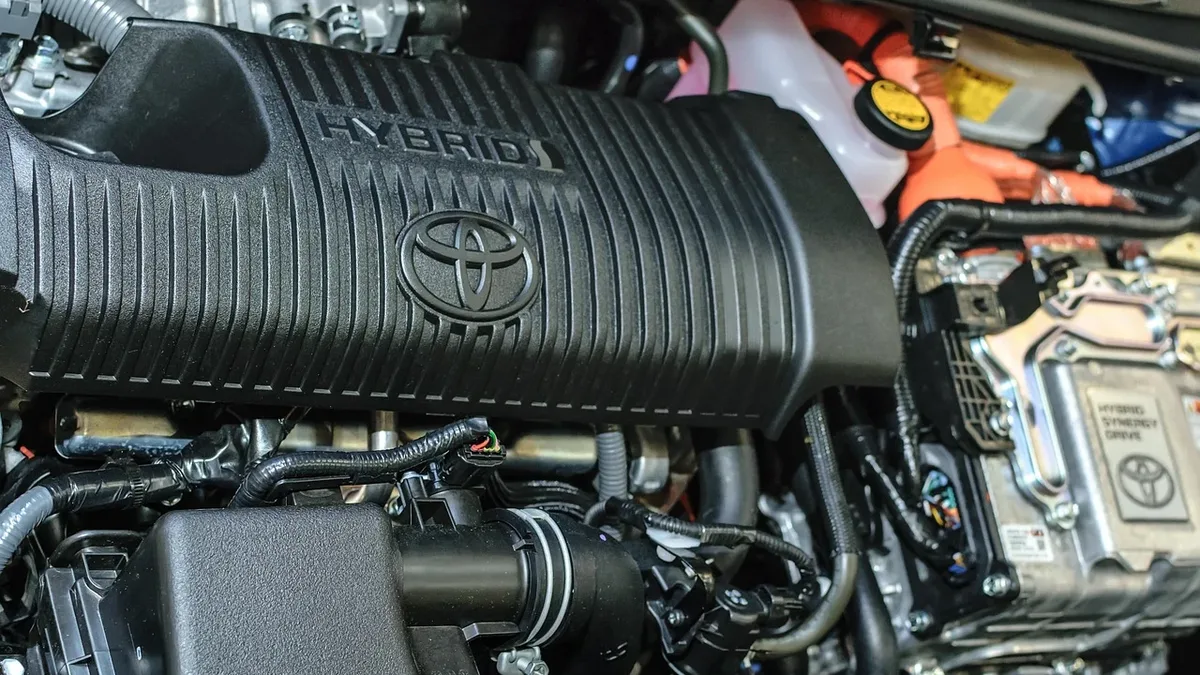
Omoda C7 HEV to launch in Malaysia with 1,000+ km range
Omoda Jaecoo Malaysia will launch the C7 HEV, its first non-plug-in hybrid, in 2027. The model features a new 5 kWh battery enabling a total range...