Solid State Battery
| Electrolyte state | Solid |
|---|---|
| Energy density | Higher than conventional lithium-ion |
| Charge rate | Typically slower than conventional lithium-ion |
| Cycle life | Generally higher than conventional lithium-ion |
| Operating temperature range | Wider than conventional lithium-ion |
| Key materials | Varies (e.g., sulfide, oxide, polymer) |
| Manufacturing process | Varies (e.g., thin-film deposition, powder pressing) |
Origin and history
Solid state battery technology originated from academic and industrial research primarily in the United States and Japan during the late 20th century. Early foundational work on solid electrolytes began in the 1950s and 1960s, focusing on materials like silver-ion conductors. The concept of a practical lithium-based solid-state battery gained significant research momentum in the 1990s, driven by the search for safer and higher-energy alternatives to flammable liquid electrolytes. Japanese corporations and national research institutes became particularly prominent in advancing the technology through the 2000s, filing numerous key patents. By the 2010s, several prototype demonstrations from automotive and electronics manufacturers brought the technology closer to industrial relevance. The historical development path has been a multi-decade, global effort transitioning from fundamental material science to applied engineering challenges for manufacturing.
What it is for
A solid-state battery is an energy storage device designed to power electric vehicles, portable electronics, and other applications requiring high energy density and enhanced safety. Its primary function is to store and release electrical energy through the movement of lithium ions between a cathode and an anode, similar to conventional lithium-ion batteries. The critical distinction is that it utilizes a solid electrolyte material instead of a liquid or gel electrolyte. This solid electrolyte serves as both the physical separator between electrodes and the medium for ion conduction. In an assembly plant context, the battery is integrated as a core component into final products like electric vehicles, where its performance directly impacts range and charging speed. The technology aims to address specific limitations of incumbent lithium-ion batteries used in production lines today.
Pros and cons
A primary advantage is significantly improved safety due to the non-flammable nature of most solid electrolytes, which reduces thermal runaway risk during production handling and product use. This can simplify safety protocols and thermal management systems in the final assembled product. The technology also promises higher energy density, potentially enabling longer ranges for electric vehicles without increasing the physical battery pack size. A major drawback is the high cost and complexity of current manufacturing processes, which often require precise, controlled atmospheres and novel techniques for layering solid materials. Production scalability remains a substantial challenge, with issues like forming stable, low-resistance interfaces between solid electrolyte and electrode materials at high speed and yield. Manufacturers may regret early adoption if they encounter unforeseen durability problems, such as crack propagation in the solid electrolyte under repeated charge cycles, which is a common focus of current research and a potential point of failure. The supply chain for specialized raw materials, such as certain sulfide or oxide ceramics, is also less mature than for conventional lithium-ion components.
Who it suits
This technology currently suits established automotive manufacturers or large-scale electronics producers with substantial capital for research, development, and pilot production lines. It is suitable for companies targeting the premium segment of the electric vehicle market, where higher battery cost can be offset by selling points of extended range and enhanced safety. Manufacturers with strong vertical integration or direct partnerships with specialized materials suppliers are better positioned to manage the nascent supply chain. It is less suited to smaller tier suppliers or plants focused on high-volume, cost-sensitive consumer electronics in the near term, due to the current economic and technical hurdles. Assembly plants designed for flexibility and incorporating advanced, dry-room manufacturing environments may find the integration path more feasible. Ultimately, it suits industrial players committed to a multi-year transition who can tolerate the current higher cost per unit in exchange for anticipated future performance benefits.
Latest Solid State Battery news
Latest reporting
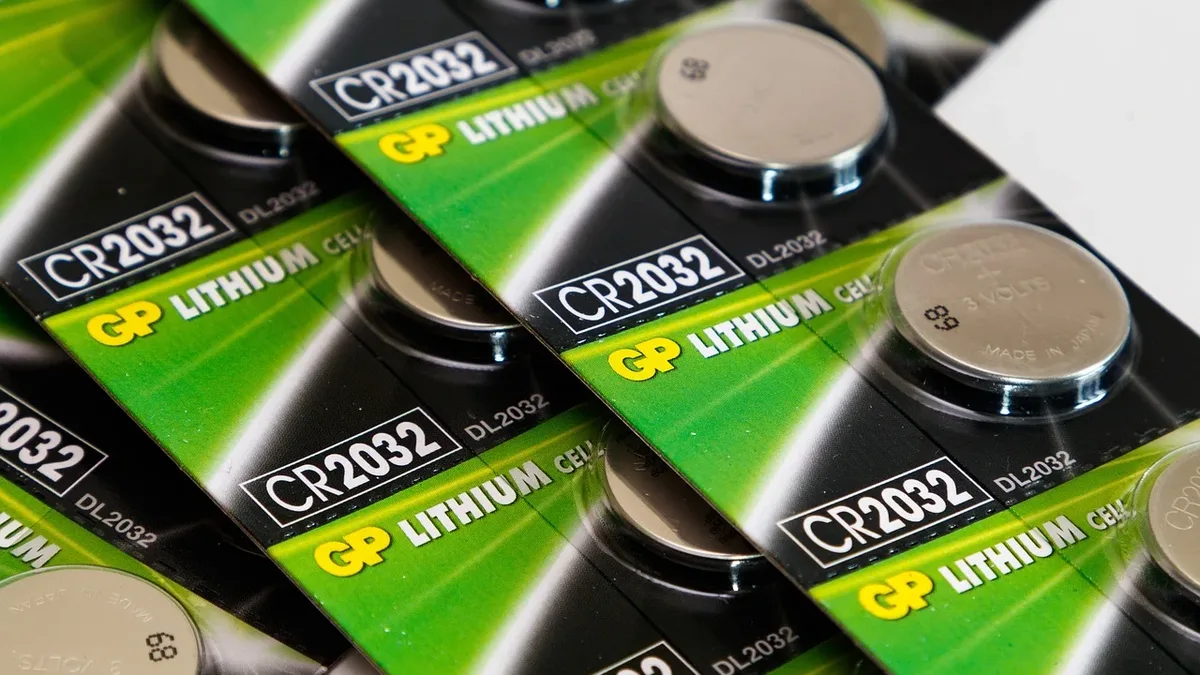
NIO and Geely finalize strategic battery swap stake deal
NIO sells a 30% stake in its battery swapping unit, NIO Power, to a Geely Holding Group subsidiary, valuing the unit at 16 billion yuan.
CATL Launches Trial Battery Cell Production at Debrecen
CATL has begun trial battery cell production on its first two lines in Debrecen, Hungary, a key step for its largest overseas plant.

Nissan reveals new Pixo EV for European markets
Nissan has unveiled its new Pixo battery-electric city car, developed with Renault for European markets. The A-segment vehicle features an LFP...
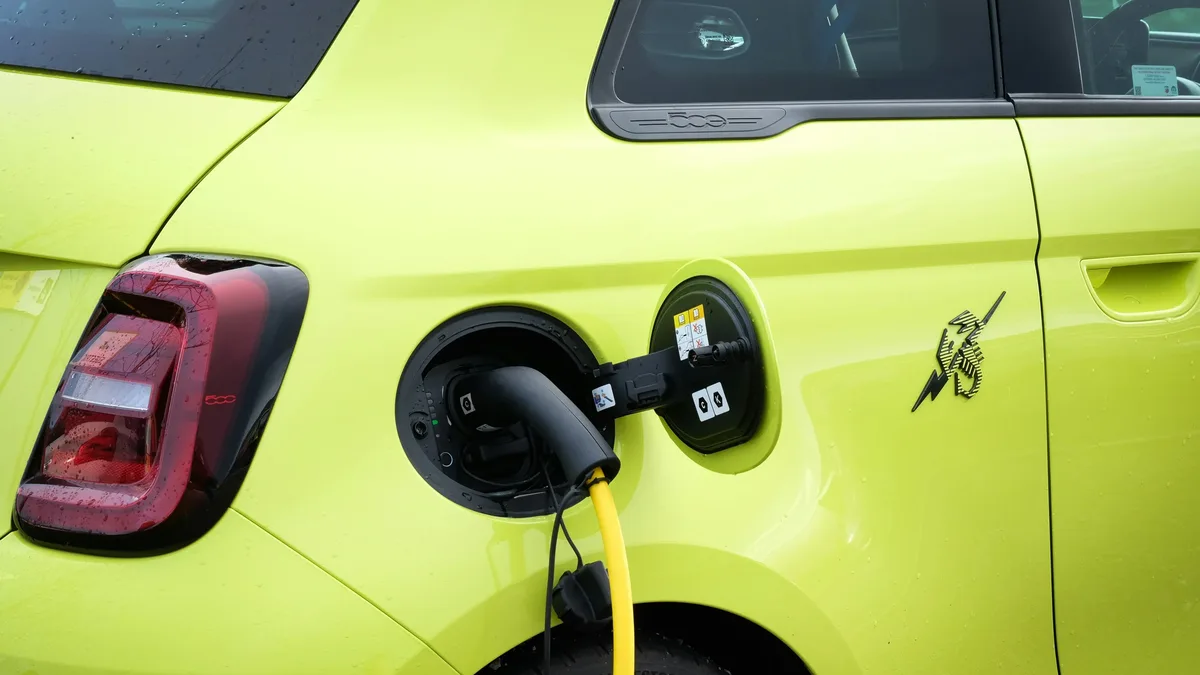
GM Delivers EVs Built with Fully Recycled Battery Materials
General Motors has started delivering electric vehicles containing battery cells made entirely from recycled cathode material.

Porsche Builds Battery Cells from Fully Recycled Cathode
Porsche has manufactured battery cells using cathode active material made entirely from recycled lithium, nickel, cobalt, and manganese.

Trump Administration Criticizes Ford's Chinese Partnerships
U.S. Transportation Secretary Sean Duffy has urged Ford to cut ties with Chinese battery and auto firms CATL, Geely, and BYD.