Lfp Battery
| Chemical abbreviation | Lithium iron phosphate (LiFePO₄) |
|---|---|
| Key components | Cathode (LiFePO₄), anode (graphite), electrolyte (liquid), separator |
| Original use | Stationary energy storage and power tools |
| Typical cell voltage | 3.2V nominal |
| Thermal stability | High |
| Energy density | Lower than NMC/NCA variants |
| Cycle life | High (often thousands of cycles) |
| Common format | Prismatic cells |
Origin and history
The Lithium Iron Phosphate (LFP) battery chemistry was pioneered and developed in the late 1990s, with foundational research and patent filings occurring in the United States. The core cathode material, lithium iron phosphate (LiFePO₄), was identified as a promising candidate by research groups studying polyanion structures for lithium-ion applications. Commercial development and large-scale manufacturing of LFP batteries subsequently accelerated in the 2000s, predominantly within China. Chinese industrial and academic institutions played a significant role in refining the material's synthesis and nano-engineering its particle structure to overcome initial limitations in conductivity. This development path established LFP as a distinct branch of lithium-ion technology separate from earlier cobalt-based chemistries. The technology's trajectory is marked by its adoption first in stationary energy storage and specific industrial applications before expanding into the broader electric vehicle sector.
What it is for
The LFP battery is primarily employed as a rechargeable energy storage device for applications demanding high safety, long cycle life, and cost-effectiveness over extreme energy density. Within an automotive assembly plant context, it is integrated into battery packs to provide propulsion power for electric vehicles, particularly in segments prioritizing durability and total cost of ownership. Its inherent stability also makes it suitable for stationary storage systems installed within manufacturing facilities for purposes like load shifting or backup power. For the supplier tier, the production of LFP cathode powder, cells, and modules constitutes a dedicated manufacturing stream feeding the assembly plant's battery pack line. The chemistry is selected for vehicle programs where the operational profile involves regular, full cycling and where thermal safety is a paramount design constraint. Its function is fundamentally to store and deliver electrical energy reliably for thousands of charge-discharge cycles with minimal performance degradation.
Pros and cons
A primary advantage of LFP chemistry is its exceptional thermal and chemical stability, which drastically reduces the risk of catastrophic thermal runaway compared to some other lithium-ion chemistries. It also offers a very long cycle life, routinely exceeding several thousand full cycles before significant capacity fade, which benefits the total lifespan of the product. The absence of expensive and ethically sensitive cobalt in its cathode makes it less susceptible to raw material price volatility and simplifies supply chain ethics. A significant con is its lower volumetric and gravimetric energy density, meaning for a given range, an LFP battery pack will be larger and heavier than a high-nickel alternative, which constrains vehicle design. Its performance is also more susceptible to degradation in cold temperatures, requiring more sophisticated battery management systems for thermal conditioning in colder climates. A common mistake is selecting LFP for a vehicle platform designed for high performance or ultra-long range without accommodating the necessary pack size and mass, leading to compromised vehicle dynamics or inefficient packaging.
Who it suits
This technology suits automotive manufacturers and assembly plants targeting high-volume, cost-sensitive electric vehicle segments where daily range requirements are moderate and predictable. It is well-suited for commercial fleet operators, such as delivery vehicles or buses, where vehicles are used intensively and the long cycle life directly translates to lower cost per mile over the vehicle's service life. Suppliers with expertise in scalable, precision electrode coating and cell assembly processes are suited to its manufacturing, as the chemistry rewards production consistency over exotic material handling. It suits grid-scale and industrial energy storage integrators who prioritize system safety, longevity, and upfront capital cost over compact footprint. Regions with stable, temperate to warm climates are particularly suited to its deployment, minimizing the impact of its cold-weather performance limitations. Finally, it suits product planners who prioritize eliminating cobalt from the supply chain and who can architect a vehicle platform from the ground up to efficiently package its larger battery volume.
Latest Lfp Battery news
Latest reporting

Volkswagen launches electric ID Polo for UK market
Volkswagen is introducing an electric version of its ID. Polo hatchback, targeting the UK market with a starting price around £24,000. The car uses...
Omoda C7 HEV to launch in Malaysia with 1,000+ km range
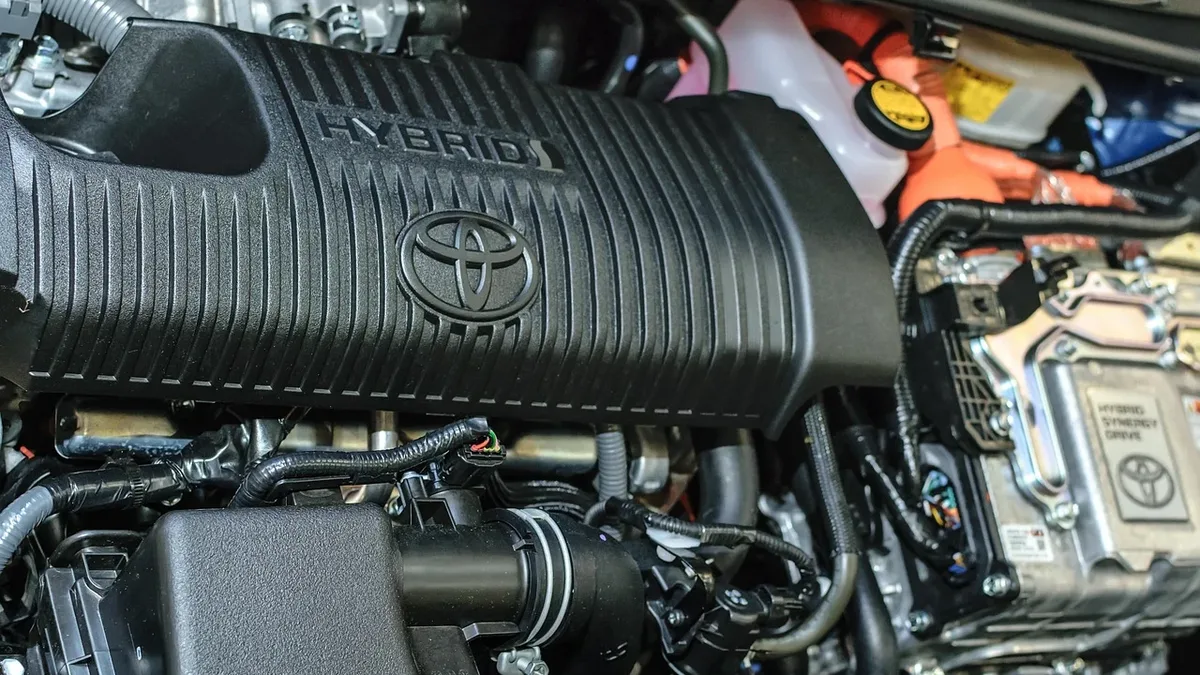
Omoda Jaecoo Malaysia will launch the C7 HEV, its first non-plug-in hybrid, in 2027. The model features a new 5 kWh battery enabling a total range...
NIO and Geely finalize strategic battery swap stake deal
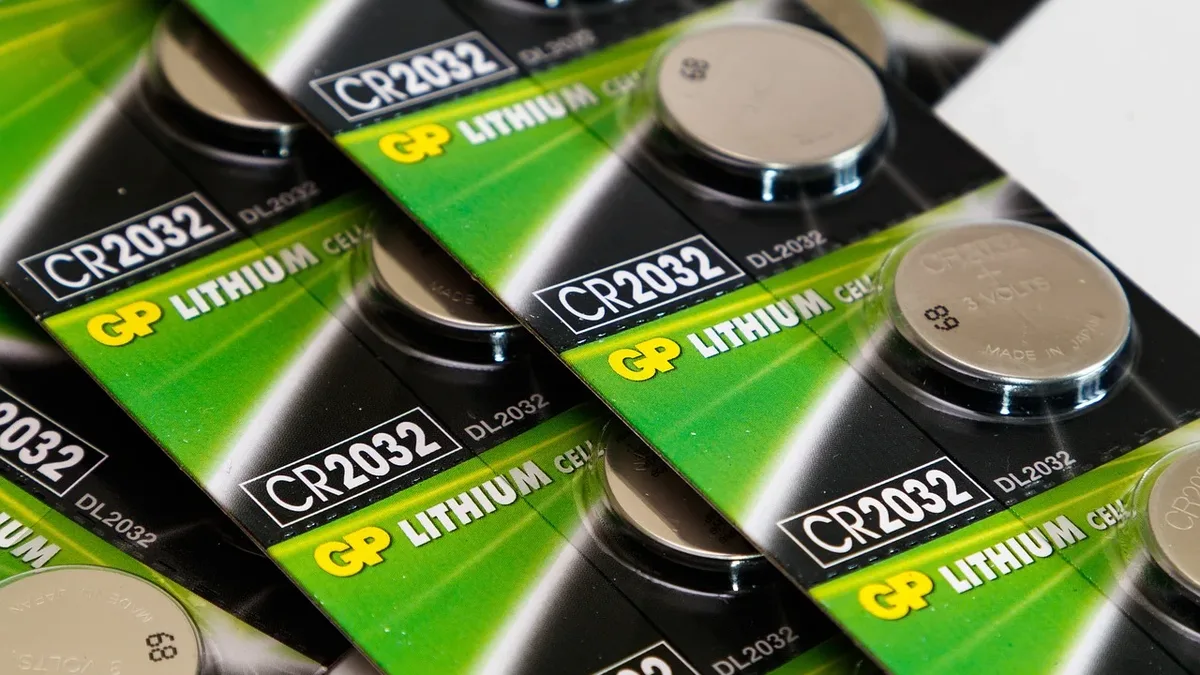
NIO sells a 30% stake in its battery swapping unit, NIO Power, to a Geely Holding Group subsidiary, valuing the unit at 16 billion yuan.
CATL Launches Trial Battery Cell Production at Debrecen
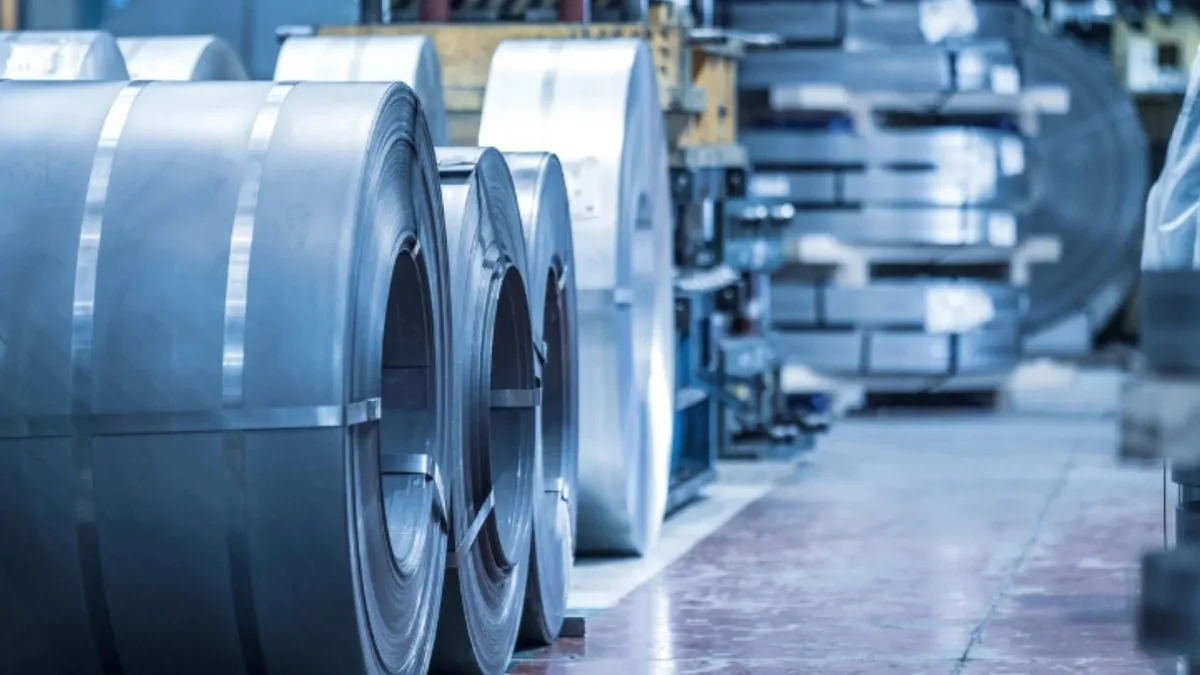
CATL has begun trial battery cell production on its first two lines in Debrecen, Hungary, a key step for its largest overseas plant.

Nissan reveals new Pixo EV for European markets
Nissan has unveiled its new Pixo battery-electric city car, developed with Renault for European markets. The A-segment vehicle features an LFP...
GM Delivers EVs Built with Fully Recycled Battery Materials
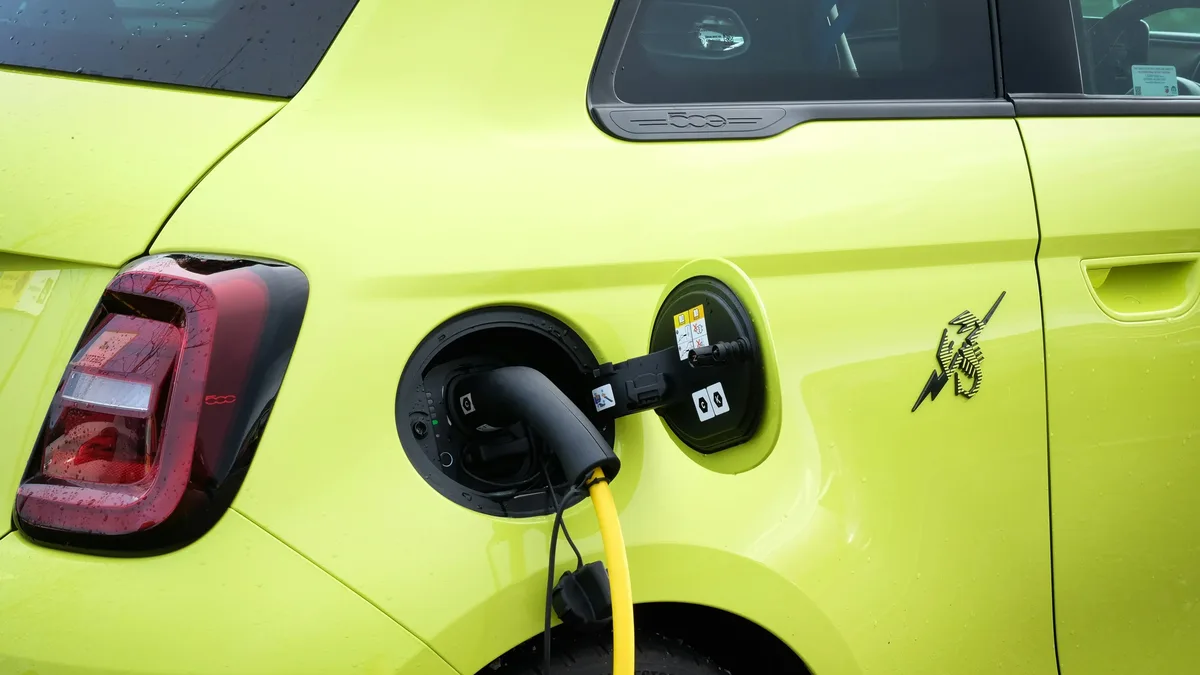
General Motors has started delivering electric vehicles containing battery cells made entirely from recycled cathode material.