Hyundai Mobis
| Supplier Tier | Tier 1 |
|---|---|
| Headquarters Location | Seoul, South Korea |
| Core Business | Automotive parts and components |
| Primary Customer Base | Automobile manufacturers |
| Main Product Categories | Chassis, cockpit, front-end modules, electrification systems |
| Original Use | Supplier for Hyundai Motor Company group vehicles |
| Operational Scale | Global, with production facilities on multiple continents |
Origin and history
Hyundai Mobis originates from South Korea. The company was established in the 1970s as a part of the broader Hyundai Motor Group. Its initial formation was closely tied to the vertical integration strategy of the parent automotive group, serving as an in-house supplier of critical components. Over subsequent decades, it evolved from an internal division into a formally independent corporate entity within the group's structure. This transition allowed it to begin supplying parts to automakers outside the Hyundai-Kia alliance from the late 1990s onward. Its historical development reflects the industrial growth pattern of South Korea's automotive sector, emphasizing self-sufficiency and scaled manufacturing.
What it is for
Hyundai Mobis functions as a global automotive supplier specializing in core modules, key components, and aftermarket parts for vehicle assembly. Its primary role within an assembly plant context is to deliver pre-assembled, large-scale modules such as complete front-end (cockpit) modules, chassis modules, and rear-end modules directly to the assembly line. The company manufactures essential automotive systems including braking systems, steering systems, suspension systems, and advanced driver-assistance systems (ADAS) sensors and electronics. It provides these items as a Tier-1 supplier, meaning it delivers complete systems or modules directly to the vehicle manufacturer's final assembly line. Its operations are integral to a just-in-time or sequenced production logistics model, where modules arrive at the plant in a specific order for immediate installation. The scope of its supply extends beyond simple parts to include complex, value-added assemblies that reduce the automaker's in-plant labor and assembly time.
Pros and cons
A significant advantage of sourcing from Hyundai Mobis is deep systemic integration and proven compatibility with Hyundai-Kia vehicle architectures, leading to predictable performance and simplified engineering validation. The company offers substantial economies of scale and manufacturing stability due to its vertical integration within one of the world's largest automotive groups. A notable con is that operations can be heavily optimized for its parent group, potentially leading to less flexibility or slower adaptation when catering to the specific engineering or logistics requirements of an independent automaker. Some non-group manufacturers regret the choice if they seek a supplier perceived as a neutral technology partner, as roadmaps may prioritize group needs. A common mistake is underestimating the logistical and cultural challenges of integrating their tightly coupled supply chain, which is often fine-tuned for Korean-led production networks, into a plant with different management practices.
Who it suits
Hyundai Mobis is particularly suited for vehicle manufacturers operating large-scale, high-volume production plants that prioritize cost efficiency and supply chain reliability over bespoke engineering partnerships. It is a natural and logistically streamlined fit for any assembly plant within the Hyundai Motor Group ecosystem, where its modules and systems are designed-in from the vehicle's conception. Established automakers in emerging markets, seeking to leverage proven modular platforms and mature component technology to accelerate production ramp-up, may find it a suitable partner. It is less suited for low-volume, niche, or specialty vehicle manufacturers whose production volumes cannot meet its scale-oriented business model or who require highly customized solutions. Manufacturers already operating with a strong, multi-sourced supply chain for core systems may find integrating its comprehensive module approach to be disruptive unless a full strategic shift is intended.
Latest Hyundai Mobis news
Latest reporting

Kia invests $2.2 billion in Gwangju EV plant for SDV and PBV production
Kia will invest KRW 3 trillion to build a new electric vehicle plant at its AutoLand Gwangju complex, transforming it into a strategic base for...
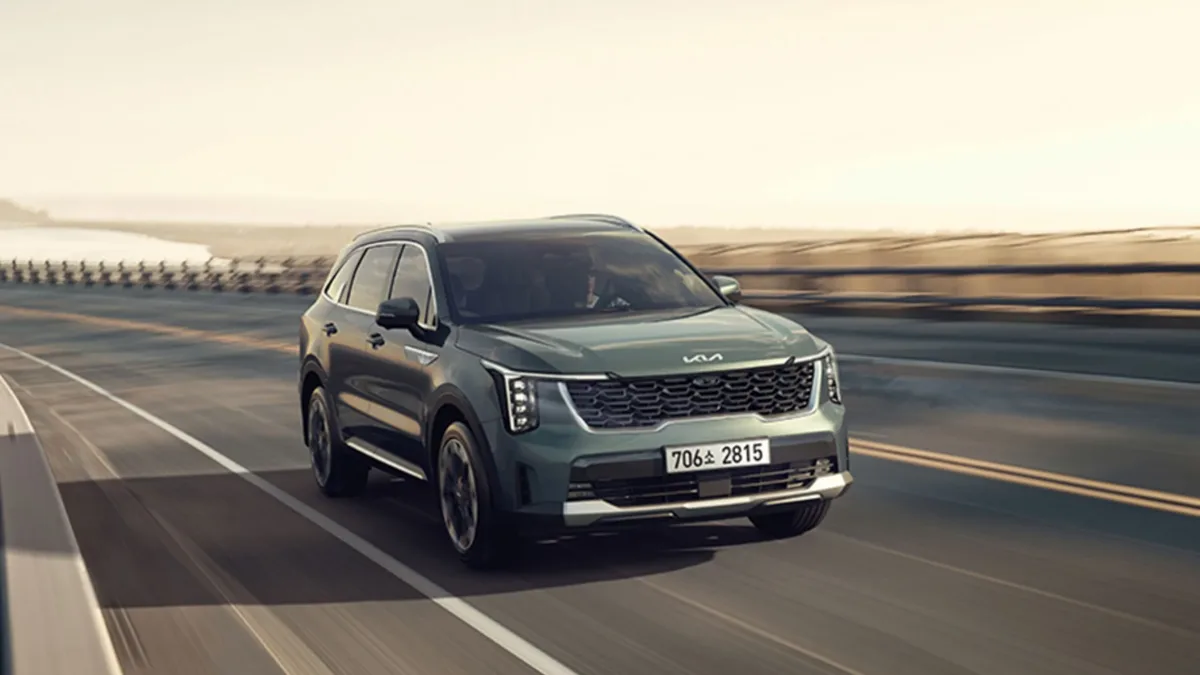
Kia Overtakes Hyundai in October Domestic Sales
Kia surpassed Hyundai Motor in South Korea's domestic market in October, selling 51,007 units to Hyundai's 49,042. The two brands combined held a...
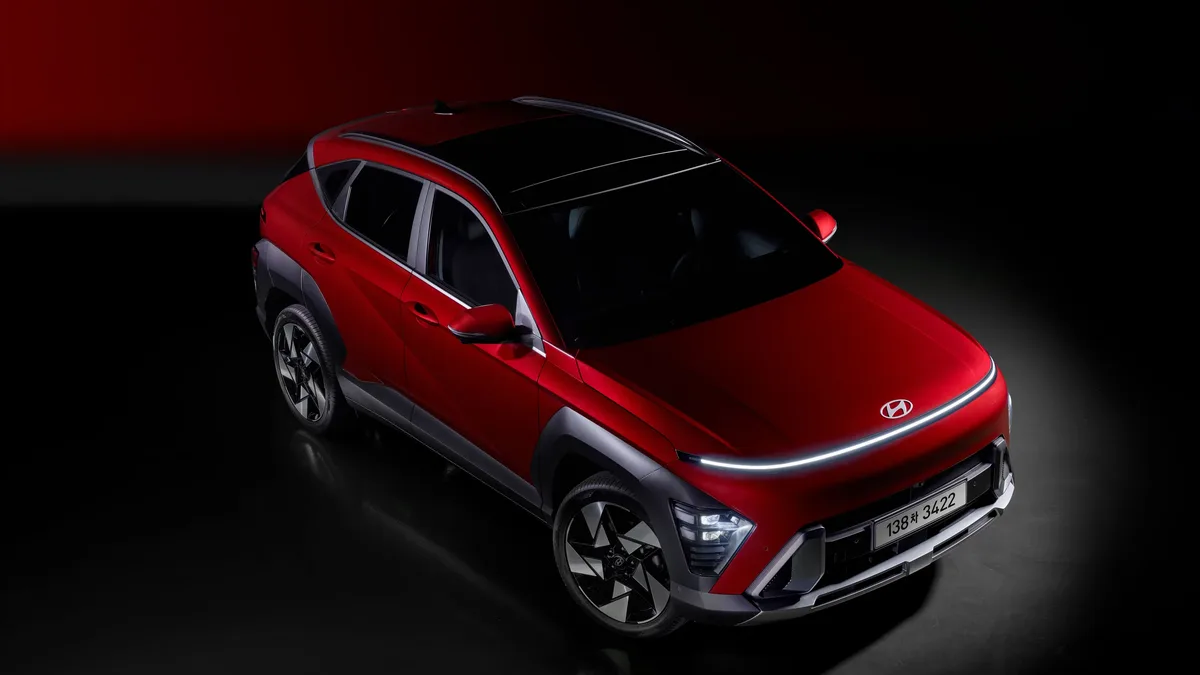
South Korea Auto Sales Fall 20% in September
Domestic auto sales in South Korea dropped 20% in September 2024, with Hyundai, Kia, and Renault Korea all reporting significant declines.
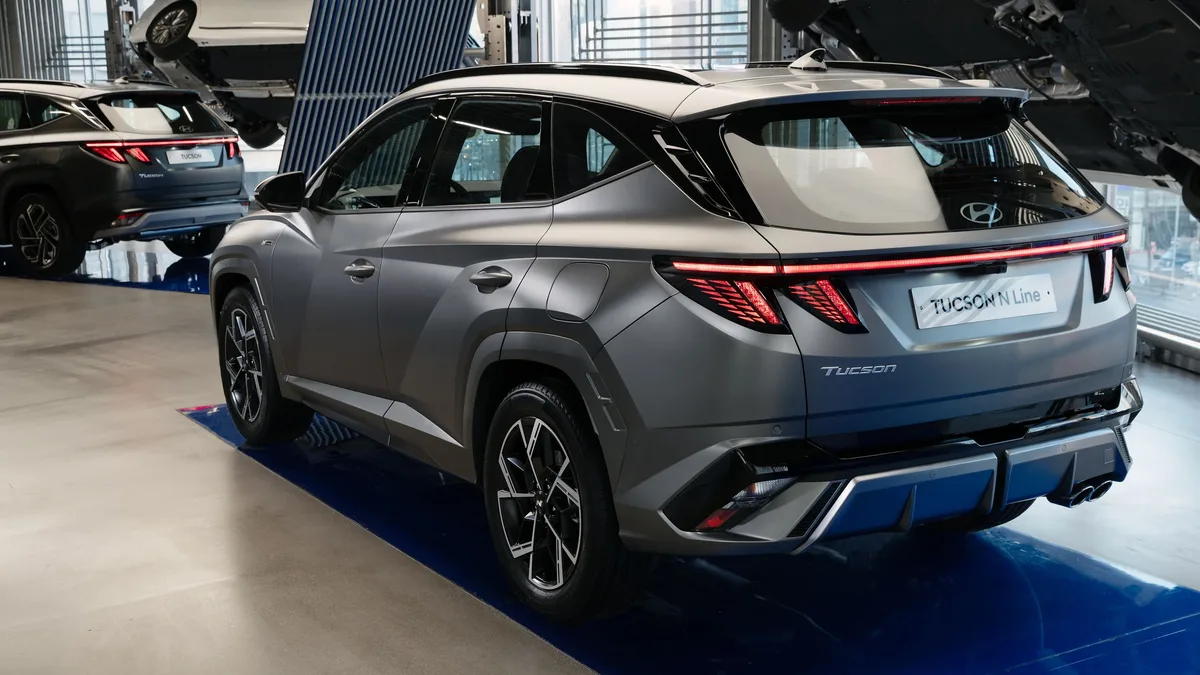
Hyundai Tucson Hybrid Revealed for 2027
The fifth-generation Hyundai Tucson has been revealed with new hybrid powertrains, an Android Automotive OS-based infotainment system.

Hyundai Mobis sells lighting business to OPmobility for $441 million
Hyundai Mobis is selling its automotive lighting business to France's OPmobility for $441 million to fund its shift toward future mobility.

Boston Dynamics Opens Robot Training Center at Hyundai
Boston Dynamics has opened a Robotics Metaplant Application Center at Hyundai's Georgia plant to train Atlas humanoid robots for automotive...