Daihatsu, Perodua EV partnership discussed
Malaysian and Japanese ministers discussed a potential Daihatsu-Perodua partnership for electric vehicle development in Malaysia.
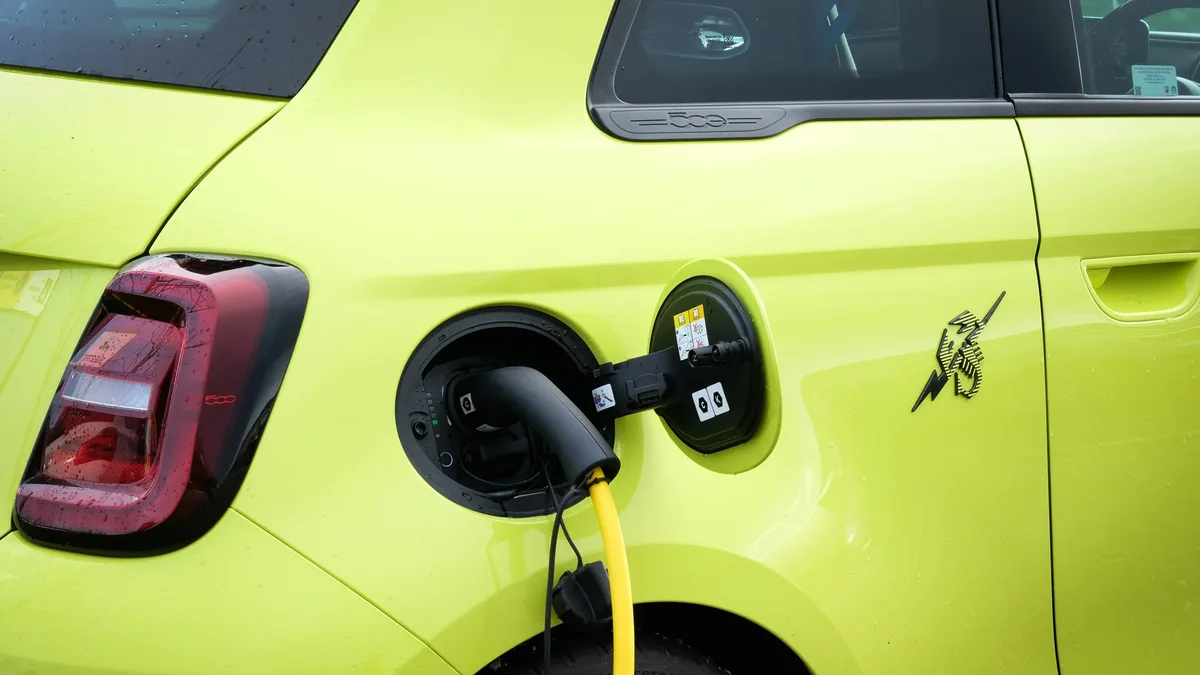
Malaysian Investment, Trade and Industry Minister Johari Abdul Ghani met with Japan's Parliamentary Vice-Minister of Economy, Trade and Industry, Takuo Komori, this week. Their talks included the subject of a "Daihatsu-Perodua partnership in developing electric vehicles in Malaysia," according to a Facebook post by Johari.
No formal partnership currently exists between the two companies. Daihatsu is a major shareholder in Perodua and has historically supplied platforms and components. However, Perodua's new QV-E electric vehicle was designed wholly in-house and shares no parts with any Daihatsu model.
Perodua undertook the project alone partly due to a government deadline for a locally-badged EV. A primary reason was that Daihatsu itself lacked an EV platform for Perodua to use. Daihatsu currently produces hardly any hybrids, with its only offering being the Rocky e-Smart Hybrid.
Plant-floor network automotive manufacturing
The discussion points to two possible outcomes for the plant-floor network. The first is a straightforward rebadging exercise. Daihatsu could simply put its badges on the Malaysian-made QV-E. This would not be unprecedented, as the Daihatsu Sirion sold in Indonesia is effectively a rebadged Perodua Myvi.
For Daihatsu, using EV technology from Malaysia could address a competitive weakness. The small car specialist's lack of electrified models leaves it vulnerable, especially in its largest overseas market, Indonesia. There, it risks losing share to rivals like BYD. The QV-E, with high local content, would benefit from reduced ASEAN Free Trade Area taxes.
Future development collaboration
The second possibility is Daihatsu participating in Perodua's future EV development programs. Perodua president and CEO Zainal Abidin Ahmad raised this possibility earlier this year. "We've done the EV ourselves. But we've gotten enquiries from them to join us in our EV development," Zainal said. He added that Toyota has also offered Perodua a chance to build its EVs.
Securing Toyota and Daihatsu as clients would be a major achievement for Perodua. It would boost exports and validate its in-house development efforts. "The learning process is really expensive, and it's hard for us to recover 100% of the investment, unlike how we do it with ICE cars," Zainal said. "But I feel proud of our people that we can develop a car and that it has opened their [Daihatsu and Toyota] eyes."
Perodua is known to be working on a smaller A-segment EV using the same Magna Styer-developed platform as the QV-E. A Daihatsu or Toyota EV built on this architecture could provide the Japanese firms with affordable models. Their engineering input might also help address criticisms of the QV-E's interior quality. The source report concludes by noting this potential collaboration stems from Perodua's own foundational work.