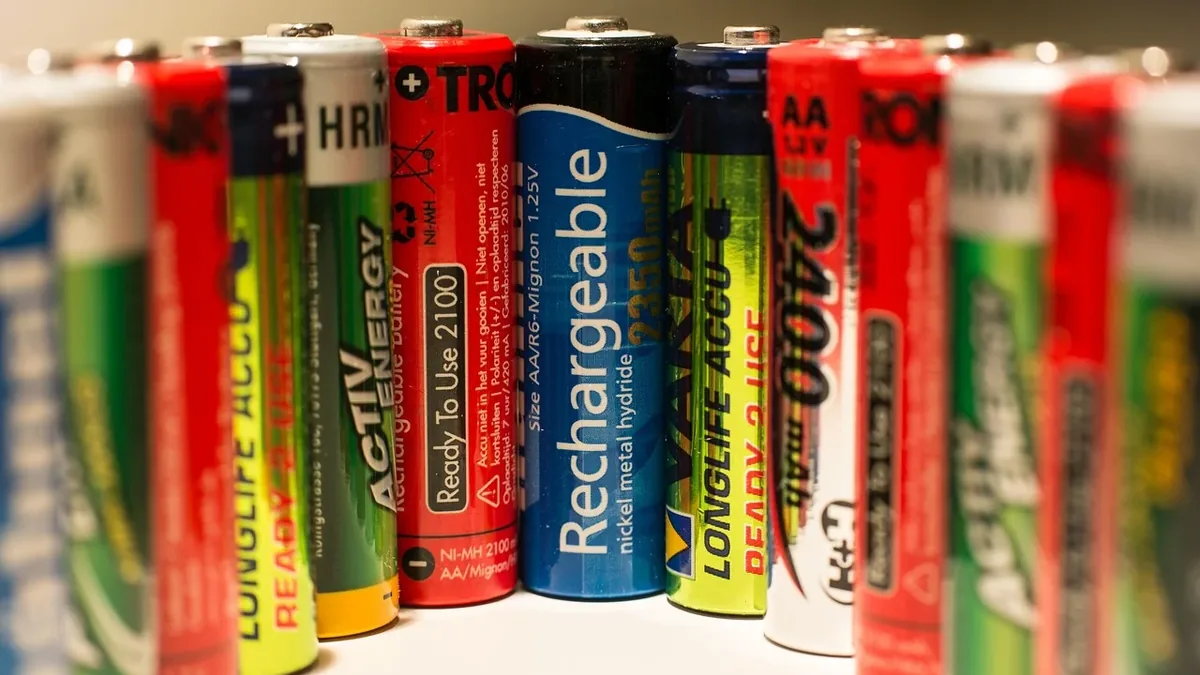
Batteries
Origin and history
The modern industrial battery assembly plant, as a centralized facility for the mass production of electrochemical energy storage units, originated in the late 19th century. Its development is closely tied to the commercialization of the dry cell battery, pioneered by companies like the National Carbon Company in the United States. The concept of a dedicated assembly line for batteries solidified in the early 20th century with the rising demand for portable power in devices like flashlights and radios. The automotive industry's adoption of the lead-acid starting, lighting, and ignition battery in the 1910s further catalyzed the creation of large-scale, specialized plants. These facilities evolved from manual assembly workshops to highly automated production lines throughout the mid-20th century. The late 20th and early 21st centuries saw a significant geographic shift, with much of the global battery assembly capacity being established in East Asia, particularly in China, Japan, and South Korea.
What it was bred for
The industrial battery plant was bred for the high-volume, consistent, and cost-effective manufacturing of standardized electrochemical cells and packs. Its core purpose is to transform raw materials and components into finished, functional energy storage devices through a sequenced, controlled process. This model was developed to meet the massive, repetitive demand from consumer electronics, automotive, and industrial sectors. The plant is engineered to handle the precise assembly of sensitive and potentially hazardous materials, including electrolytes and reactive metals. It is designed to enforce strict quality control and testing protocols at multiple stages to ensure performance and safety specifications are met. The entire system is optimized for scalability, allowing production output to be adjusted in response to market demand while maintaining product uniformity.
Life cycle
The operational life cycle of a battery assembly plant begins with a multi-year planning, design, and construction phase involving significant capital investment. Once commissioned, the plant enters a production ramp-up period where machinery is calibrated and workflows are stabilized to achieve target yield rates. The mature operational phase can last for decades, during which the plant may undergo periodic retooling and line upgrades to accommodate new battery chemistries or product designs. This phase is characterized by continuous material inflow from supplier tiers and outflow of finished goods to customers. Eventually, technological obsolescence, economic factors, or resource depletion may lead to a decommissioning decision. The end-of-life phase involves the safe dismantling of equipment, remediation of any environmental contamination, and often, the site's repurposing for a new industrial use.
Character and appearance
A typical large-scale battery assembly plant is a vast, sprawling industrial complex, often located within a dedicated manufacturing park or zone. The architecture is predominantly functional, featuring large, rectangular buildings with high ceilings to accommodate automated production lines and logistics systems. The interior is organized into clean and dry zones for electrode stacking and cell assembly, and more controlled dry rooms for critical processes like electrolyte filling and sealing. The environment is dominated by the sight and sound of automated machinery, including robotic arms, conveyor systems, and precision welding equipment. A distinct network of piping and ductwork is visible for managing temperature control, ventilation, and the safe handling of process gases. The exterior grounds include substantial logistics areas for raw material receiving, finished goods shipping, and often on-site warehousing.
Overview
An industrial battery plant is a capital-intensive manufacturing ecosystem that integrates material preparation, cell assembly, formation, aging, and testing into a continuous or batch flow. It functions as the central node in a supply chain, drawing in components like cathodes, anodes, separators, electrolytes, and casings from upstream supplier tiers. The core transformation involves the precise assembly of these components into a sealed cell, followed by electrochemical activation. The plant's output is not a single product but a range of battery formats, such as cylindrical, prismatic, or pouch cells, tailored to different applications. Its performance is measured by metrics like throughput (units per hour), yield (percentage of defect-free units), and overall equipment effectiveness. The operation requires a multidisciplinary workforce spanning process engineering, maintenance, quality assurance, and supply chain logistics.
What to know
The production process is highly sensitive to environmental conditions, particularly humidity, which must be controlled to parts per million levels in dry rooms to prevent electrolyte degradation. Battery assembly is not a purely mechanical process; the formation and aging steps are critical electrochemical processes that can take days and determine the cell's ultimate capacity and longevity. Supply chain integrity is paramount, as inconsistencies in raw material purity or component dimensions from suppliers can cause major production faults and safety hazards. The plant must be designed with stringent safety protocols for fire prevention and containment, given the thermal runaway risks associated with many battery chemistries. Production scalability is often constrained by the availability and processing capacity of specialized equipment, such as electrode coaters and vacuum drying ovens, which have long lead times. A significant portion of the plant's footprint and energy consumption is dedicated to testing and quality control, not just assembly.
Common questions
What are the main differences between assembly plants for different battery chemistries like lithium-ion and lead-acid? Lead-acid plants handle large volumes of liquid electrolyte and lead processing, while lithium-ion facilities require ultra-dry environments and more precise electrode handling. How long does it take to build a new battery plant from ground-breaking to full production? For a gigafactory-scale facility, this timeline typically ranges from two to five years, depending on regulatory approvals and equipment availability. Why are so many new battery plants being built near automotive manufacturing centers? Proximity reduces logistics costs and complexity for bulky, heavy battery packs and supports just-in-sequence delivery for vehicle assembly lines. What is the single most expensive piece of equipment in a lithium-ion battery plant? The electrode coating and drying machinery is often the highest capital cost line item due to its precision, scale, and required throughput. Can an existing plant easily switch to producing a new type of battery chemistry? Significant retooling is almost always required, as different chemistries demand different material handling, assembly tolerances, and formation processes. What happens to defective or off-spec batteries produced in the plant? They are carefully discharged, disassembled in controlled environments, and their materials are sent for recycling or safe disposal to prevent environmental harm.
Pros and cons
A major advantage of a dedicated assembly plant is the ability to achieve economies of scale, driving down the per-unit cost of batteries through high-volume, automated production. The controlled environment ensures consistent product quality and safety standards that are difficult to replicate in decentralized, smaller-scale manufacturing. However, the cons are substantial, starting with the enormous capital expenditure required for land, construction, and specialized equipment, creating a high financial barrier to entry. These facilities are also highly inflexible; a plant designed for a specific cell format (e.g., 21700 cylindrical) cannot easily pivot to produce another (e.g., large prismatic) without massive reinvestment. Common mistakes include underestimating the complexity of the formation and aging process, leading to production bottlenecks and warehouses full of batteries undergoing slow testing. Operators often regret locating plants in regions without a mature local supply chain, as this forces reliance on long-distance, costly logistics for fragile and hazardous components. A persistent problem is the yield loss from contamination or assembly defects, which directly destroys expensive raw materials and burdens the operation with costly waste handling.
Who it suits
This model suits large, established corporations in the automotive, consumer electronics, or energy storage sectors that have the capital, long-term demand certainty, and engineering depth to manage such a complex operation. It is appropriate for regions with stable industrial policy, reliable energy grids, and access to ports or major transportation routes for efficient material and product movement. The plant suits locations with a strong existing base of precision engineering, automation, and chemical process industries to provide a skilled workforce and local supplier network. It is a necessary path for any entity seeking to vertically integrate and control the core technology, quality, and cost of their energy storage solutions at a strategic level. This approach does not suit small startups, companies with uncertain or niche market demand, or organizations lacking the tolerance for the multi-year journey from investment to profitable operation. It is also ill-suited for regions with volatile energy costs, weak environmental regulations, or a lack of technical infrastructure, as these factors introduce severe operational and reputational risks.