Honda, Nissan to develop standard ECUs for
Honda and Nissan will jointly develop standardised electronic control units and software for next-generation software-defined vehicles, with application
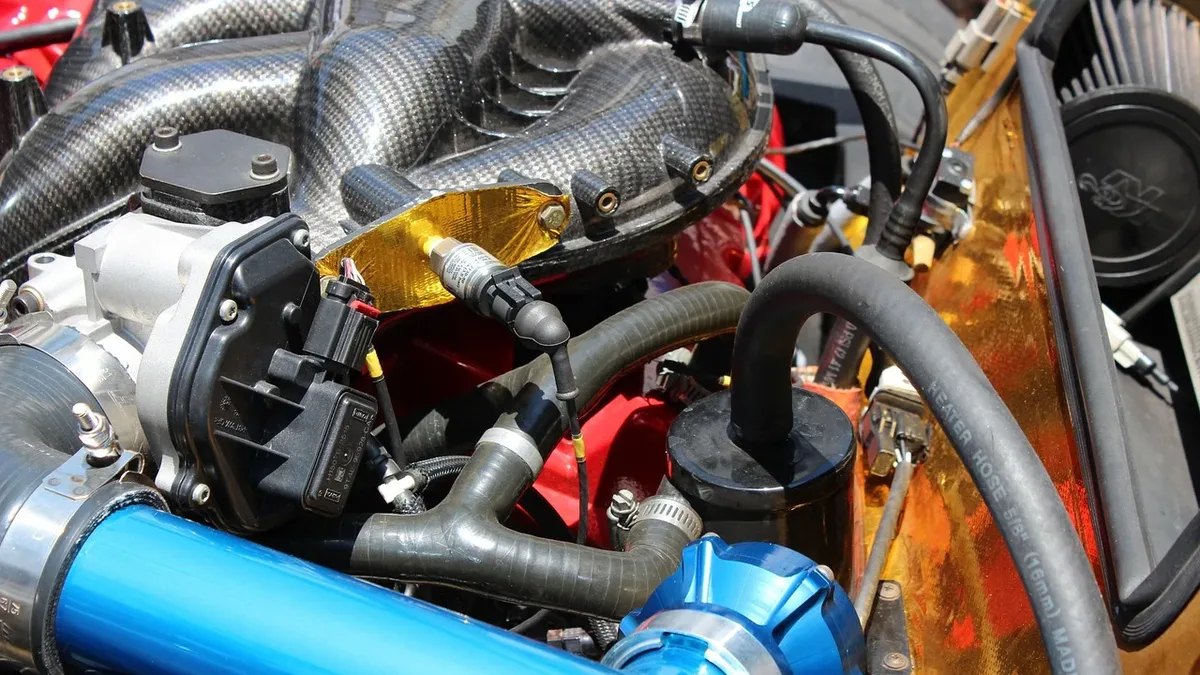
Honda Motor Co., Ltd. and Nissan Motor Co., Ltd. have entered a joint development agreement to create standardised electronic control units (ECUs) for future software-defined vehicles (SDVs). The jointly-developed ECUs and software are planned for application in SDVs from both automakers starting in fiscal year 2029.
This partnership extends beyond hardware to include collaboration on the in-vehicle operating system, key middleware components, and the vehicle control software that will run on the new ECUs. The goal is to establish a shared electrical/electronic (E/E) architecture for their next-generation vehicles.
The move is framed as a strategic effort to keep pace with rapid technological change. According to a joint press release from the companies, the software domain for SDVs is "key to vehicle intelligence and electrification." The release stated this area "has been identified as an important area of collaboration, given the rapid pace of technological innovation and the need to strengthen competitiveness through improved R&D speed and investment efficiency."
Plant-Floor Network Implications
Standardising core ECUs and the underlying software platform represents a significant shift in automotive manufacturing strategy. For assembly plants and the supplier tiers that feed them, a common architecture across two major automakers could streamline production processes and component sourcing. It points toward a future where more vehicle intelligence is baked into a standardised set of hardware modules, potentially simplifying final assembly and software integration on the production line. This approach mirrors the efficiency seen in managing a complex fixtures schedule, ensuring all parts come together seamlessly.
Strategic Partnership Context
The technical collaboration exists within a broader strategic partnership between Honda and Nissan. That partnership, which predates a terminated merger exploration from February 2025, will continue to seek collaborative opportunities. The companies stated they aim to accelerate progress toward carbon neutrality and work toward a future with zero traffic fatalities involving their vehicles. Their joint efforts, much like a cohesive squad, are aimed at achieving shared long-term goals.
Development Timeline and Goals
The fiscal year 2029 target for application sets a clear horizon for the development work. This multi-year project will define the electrical backbone for SDVs from both brands. The collaboration is squarely focused on the technological challenges of vehicle intelligence and electrification, which the automakers describe as central to the SDV evolution. The success of this venture will be measured by key performance stats in R&D efficiency and technological output.
Finishing on a concrete detail, the work will encompass key parts of the middleware, the software layer that enables applications to communicate with the vehicle's hardware.