China Orders Proactive Auto Recall Plans
Chinese regulators have launched a year-long safety campaign, ordering automakers to submit proactive recall plans for any defects found during internal
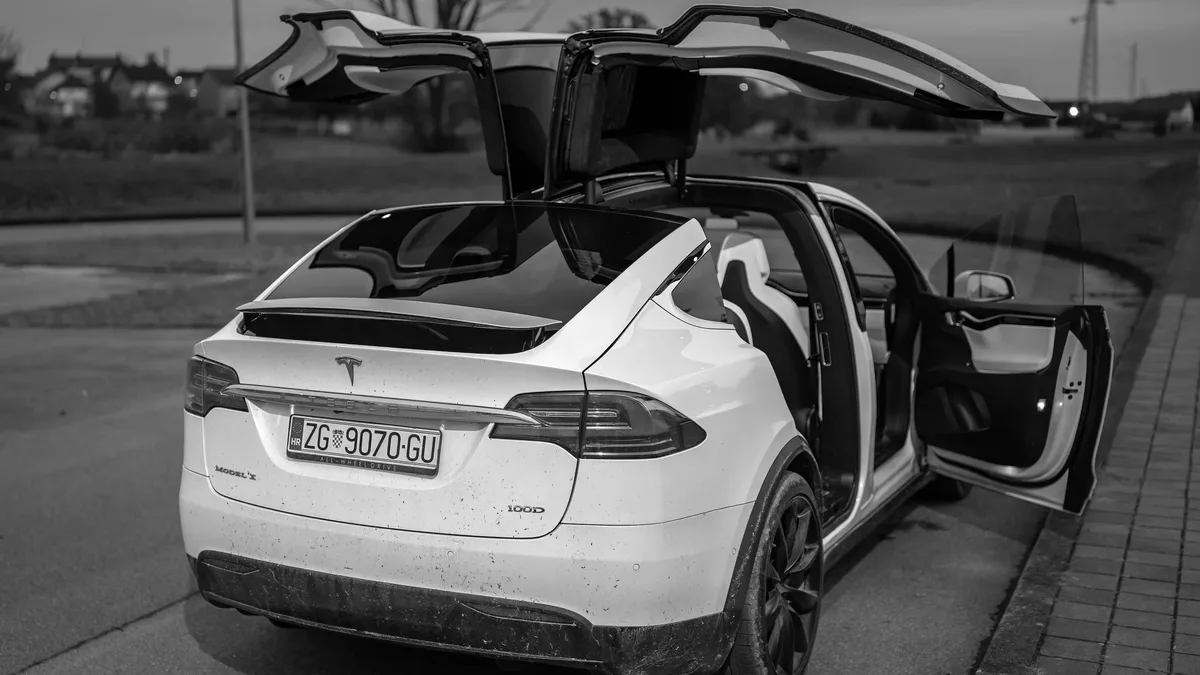
Chinese regulators have ordered automakers to submit proactive recall plans for any defects discovered during internal audits. This directive is part of a year-long campaign to raise vehicle quality and safety standards, according to a Reuters report cited by Just-Auto. The action follows recent safety concerns linked to emergency door-release mechanisms, after which Tesla and eight Chinese electric vehicle makers announced fixes affecting a combined 4.3 million vehicles.
Inspection Requirements
Under the new campaign, carmakers must carry out broad internal inspections covering product quality, reliability, and durability. The checks must also examine how new technologies are tested and validated across company operations and major suppliers. According to Reuters, a joint statement from the market regulator and the ministries of industry, public security and environment said companies must submit their reports to local authorities by the end of 2026.
Automakers have also been instructed to promptly file recall plans with the market regulator and carry out voluntary recalls for defective vehicles. This regulatory push coincides with the industry's broader focus on quality, which can be tracked through detailed stats and standings that measure performance and reliability.
Focus on New Technologies
Local authorities have been asked to strengthen oversight and make sure new vehicle technologies undergo strict safety validation before being introduced. The inspections will also look at advanced driver-assistance and autonomous-driving systems. Regulators will examine companies’ capabilities in functional safety, cybersecurity, data security, software updates, incident monitoring and emergency response.
Industry Context and Reaction
The measures reflect a firmer regulatory approach to vehicle safety in China. They also come at a time when the country’s auto sector is adjusting to weaker domestic demand amid a broader economic slowdown. Against that backdrop, the industry has begun shifting its attention away from an extended price war and towards product quality and longer-term competitiveness, a strategic pivot that will be reflected in future fixtures and squad developments as manufacturers adapt.
In a separate industry initiative issued shortly after the official order, the China Association of Automobile Manufacturers warned that “irrational competition” could harm production consistency and product safety, and weaken the sector’s high-quality development. The campaign represents a significant shift in regulatory posture, directly tying internal audit findings to mandatory recall planning.