South Korea
| Capital | Seoul |
|---|---|
| Official language | Korean |
| Currency | South Korean won (KRW) |
| Government | Unitary presidential constitutional republic |
| Driving side | Right |
| Calling code | +82 |
| ISO 3166 code | KR |
| Internet TLD | .kr |
Overview
South Korea, officially the Republic of Korea, is a sovereign nation located on the southern portion of the Korean Peninsula in East Asia. Its industrial economy is a globally significant hub for advanced manufacturing, particularly in the automotive, electronics, and shipbuilding sectors. The country's production ecosystem is characterized by highly integrated supply chains, where major assembly plants are fed by dense networks of domestic suppliers across multiple tiers. This structure emphasizes vertical coordination and technological collaboration rather than purely transactional purchasing relationships. South Korea's manufacturing philosophy prioritizes scale, precision engineering, and rapid iteration cycles to maintain competitive advantage. The nation's industrial output is a critical component of global trade flows, with its production model studied for its efficiency and resilience.
History
The modern nation of South Korea originates from the historic Korean civilization, which developed on the Korean Peninsula over millennia. Its current political form was established in the mid-20th century following the end of Japanese colonial rule and the subsequent division of the peninsula after World War II. The Republic of Korea was formally founded in 1948, and its industrial base was initially focused on light manufacturing and reconstruction in the post-war decades. From the 1960s onward, state-led economic plans deliberately fostered the growth of large industrial conglomerates, known as chaebols, which became the anchors for national manufacturing. These policies encouraged the development of deep, domestic supplier networks to support flagship companies in sectors like automotive and heavy industry, reducing reliance on foreign components. This historical development created a production landscape where assembly plants and their supply tiers grew in a tightly coordinated, protected environment before competing globally.
How it works today
The contemporary South Korean production system operates through a closely interconnected hierarchy of assembly plants and supplier tiers. Major assembly plants, often owned by chaebols like Hyundai, Kia, or Samsung, act as the central nodes, setting specifications, volume requirements, and innovation roadmaps. First-tier suppliers are typically large, specialized firms that produce major modules or complex subsystems, engaging in direct co-development with the assembly plant. These first-tier suppliers then manage their own networks of second and third-tier suppliers, which provide more standardized parts, components, and raw materials. The flow of information and quality control cascades down this tiered structure, with the assembly plant exerting significant influence deep into the supply chain. This model facilitates just-in-time delivery, stringent quality audits, and collaborative problem-solving, but it also creates high barriers to entry for firms outside the established networks. Production is supported by a highly skilled workforce and significant investment in automation, robotics, and smart factory technologies.
Why it matters
South Korea's integrated production model matters because it demonstrates a highly effective strategy for achieving technological sovereignty and export dominance in complex industries. The close linkage between assembly and supply tiers allows for rapid implementation of design changes and a shorter path from innovation to mass production. This system has been fundamental to the country's rise as a leading exporter of automobiles, consumer electronics, and display panels, directly impacting global markets and competitive dynamics. For global manufacturers, understanding this supply chain structure is crucial for both partnership and competition, as its efficiency sets benchmarks for cost and quality. The resilience and concentration of this model also pose systemic considerations for the global economy, as disruptions within South Korea's industrial heartlands can have immediate worldwide ripple effects. Furthermore, its approach to vertically coordinated innovation offers a case study in how nations can cultivate advanced manufacturing capabilities.
Common misconceptions
A common misconception is that South Korea's industrial success is solely due to low labor costs, a factor that has not been relevant for decades; its competitiveness now stems from high capital investment, automation, and a premium on skilled engineering. Another is that its supply chains are fully open and globalized, when in reality the core networks remain predominantly domestic and insular, with foreign suppliers often struggling to penetrate beyond the lower tiers. Many also mistakenly believe the system is inherently flexible, overlooking the significant rigidity and high fixed costs that can make it slow to pivot during sudden shifts in global demand or technology. There is a frequent overestimation of the autonomy of small suppliers, as they are often tightly bound to the technical and commercial demands of the large chaebols, limiting their independent market opportunities. Finally, the model is sometimes viewed as easily replicable by other nations, ignoring the unique historical, cultural, and institutional conditions that fostered its development over half a century.
Latest South Korea news
Latest reporting
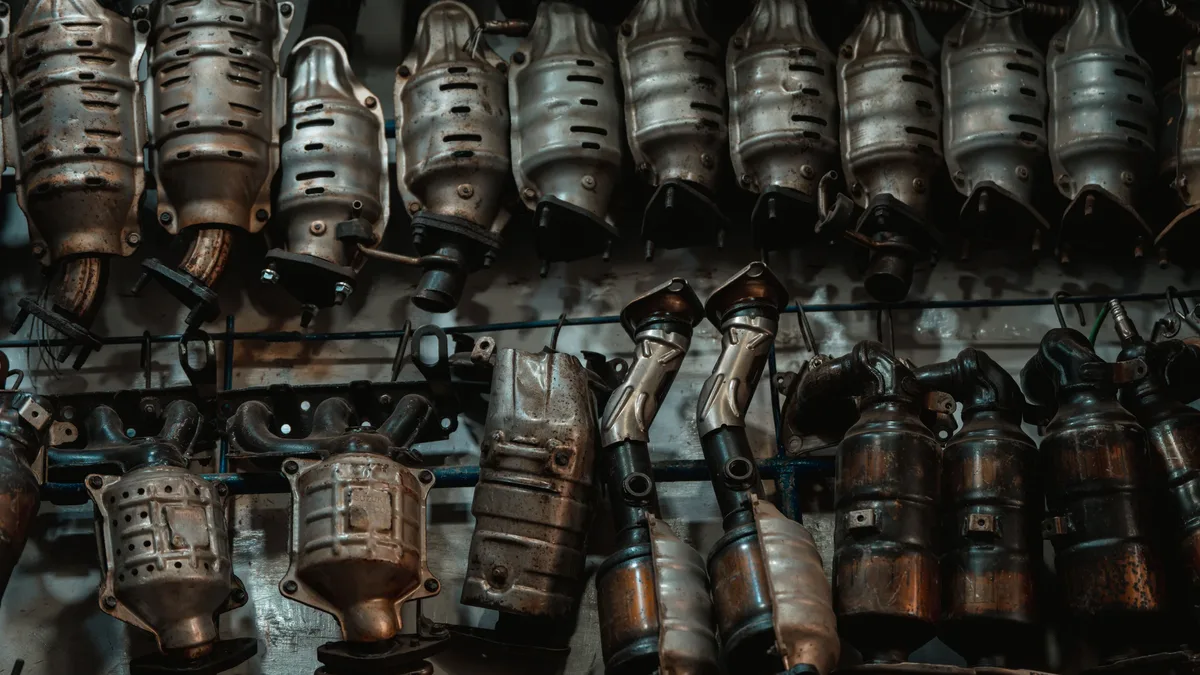
LS Cable & System to Build Rare Earth Magnet Plant in Gumi
LS Cable & System will invest KRW 350 billion to construct a rare earth magnet plant in Gumi, South Korea, with production starting in 2028 to reduce...

Kia Overtakes Hyundai in October Domestic Sales
Kia surpassed Hyundai Motor in South Korea's domestic market in October, selling 51,007 units to Hyundai's 49,042. The two brands combined held a...
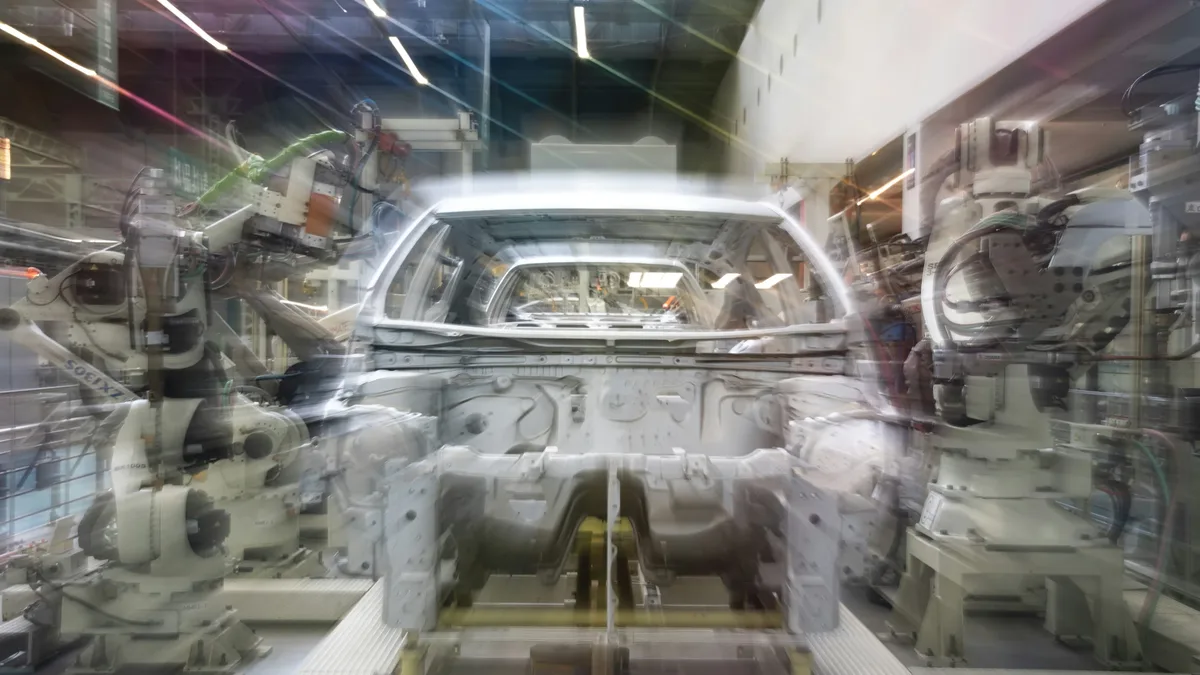
Brose Sitech opens first U.S. factory for Scout Motors seating
Brose Sitech is launching its inaugural U.S. manufacturing plant in Blythewood, South Carolina, to supply complete seating systems for Scout Motors'...
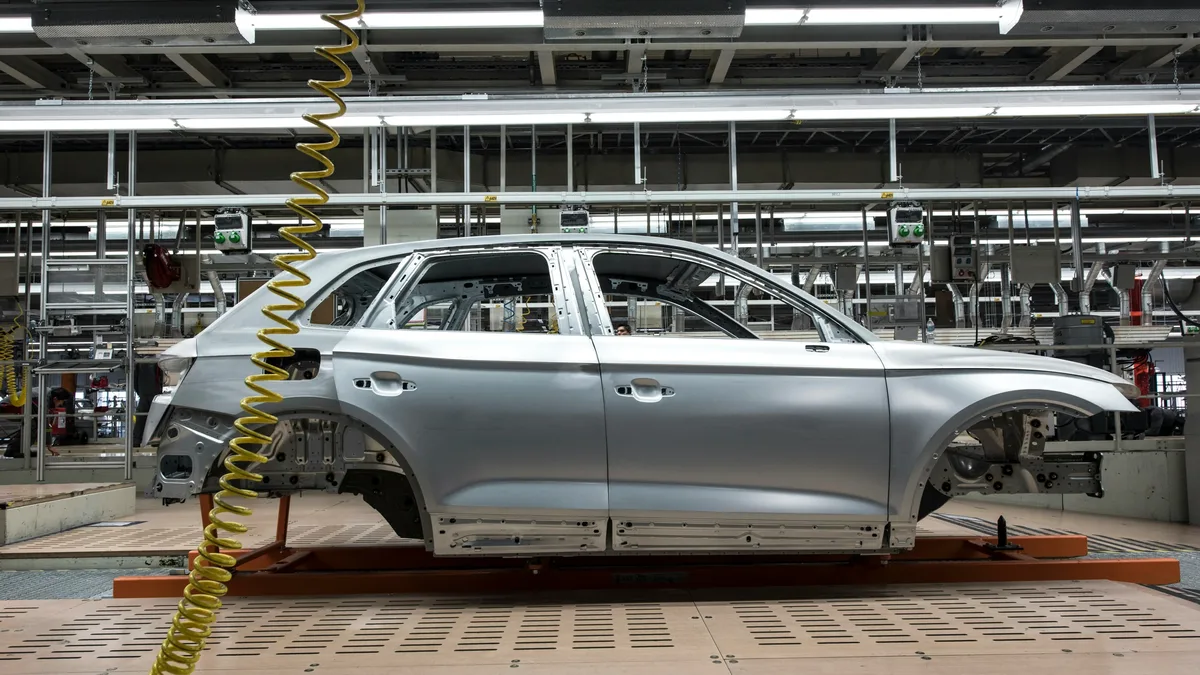
Chery begins Omoda C4 production in South Africa
Chery Group has established its first manufacturing base in South Africa, launching production of the Omoda C4 crossover SUV at the Rosslyn plant...

South Korea Auto Sales Fall 20% in September
Domestic auto sales in South Korea dropped 20% in September 2024, with Hyundai, Kia, and Renault Korea all reporting significant declines.
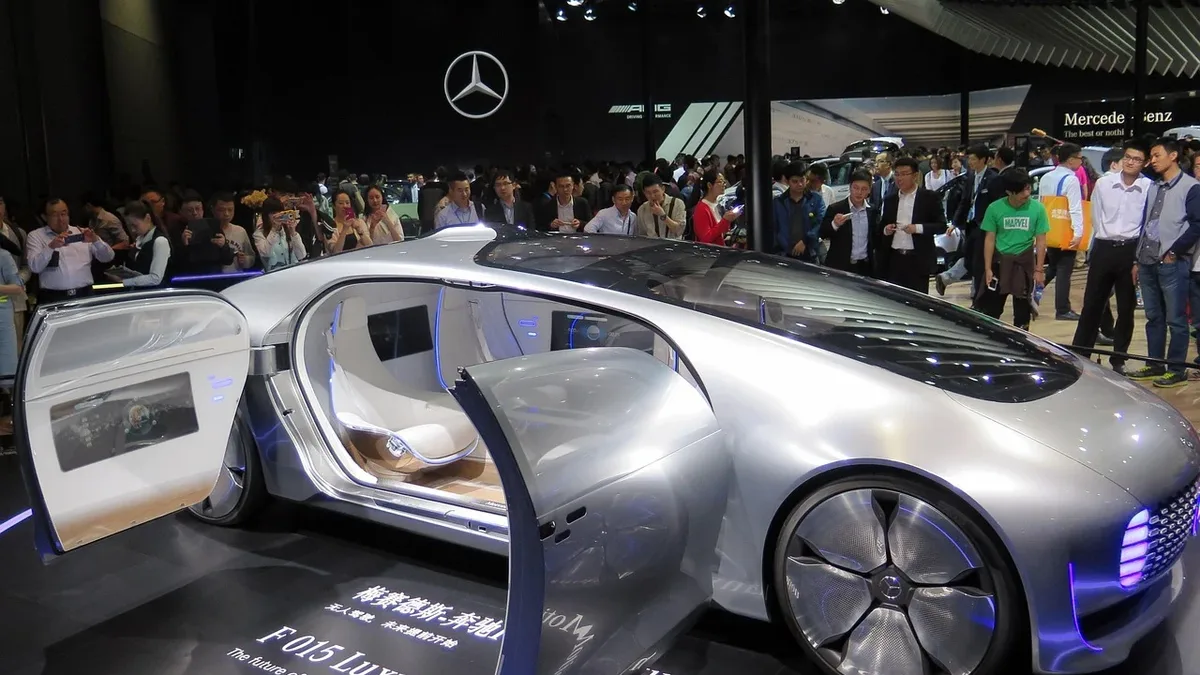
Chery to Show Full Malaysian Lineup at Carro Autofair
Chery will display its core Malaysian vehicle range, including Tiggo and Omoda models, at the Carro Autofair in Puchong South from September 25-27...